Stockyard Sessions
-1.png)
Stockyard Sessions
Podcast Description
Covering all things soils, pastures, carbon and grazing, Stockyard Sessions is a podcast series brought to you by Atlas Ag – the team behind Atlas Carbon and MaiaGrazing.
New episodes will drop monthly, featuring educational interviews with the graziers and industry experts - such as Gabe Brown - working to improve grazing landscapes, productivity and profitability while building soil carbon and resilience in agriculture, both here in Australia and around the globe.
Podcast Insights
Content Themes
The podcast focuses on themes such as soil health, grazing management, carbon sequestration, and sustainable agricultural practices. Notable episodes include discussions on improving grazing landscapes with soil carbon initiatives and enhancing profitability through innovative grazing techniques.
Stockyard Sessions is the podcast from Atlas Ag, home of Atlas Carbon and Atlas Grazing. Each episode, we sit down with graziers, agronomists, land managers, and industry thought leaders who are shaping the way Australian agriculture thinks and operates.
We cover topics on grazing, pastures, soil carbon, and what it actually takes to run a more productive and resilient livestock operation. Conversations are practical, honest, and led by people with real skin in the game, including global voices like Gabe Brown alongside Australian producers working this land every day.
New episodes drop monthly.
To learn more about Atlas Grazing, visit atlasag.com/atlasgrazing.
To explore soil carbon projects for livestock producers, visit atlasag.com/atlascarbon.
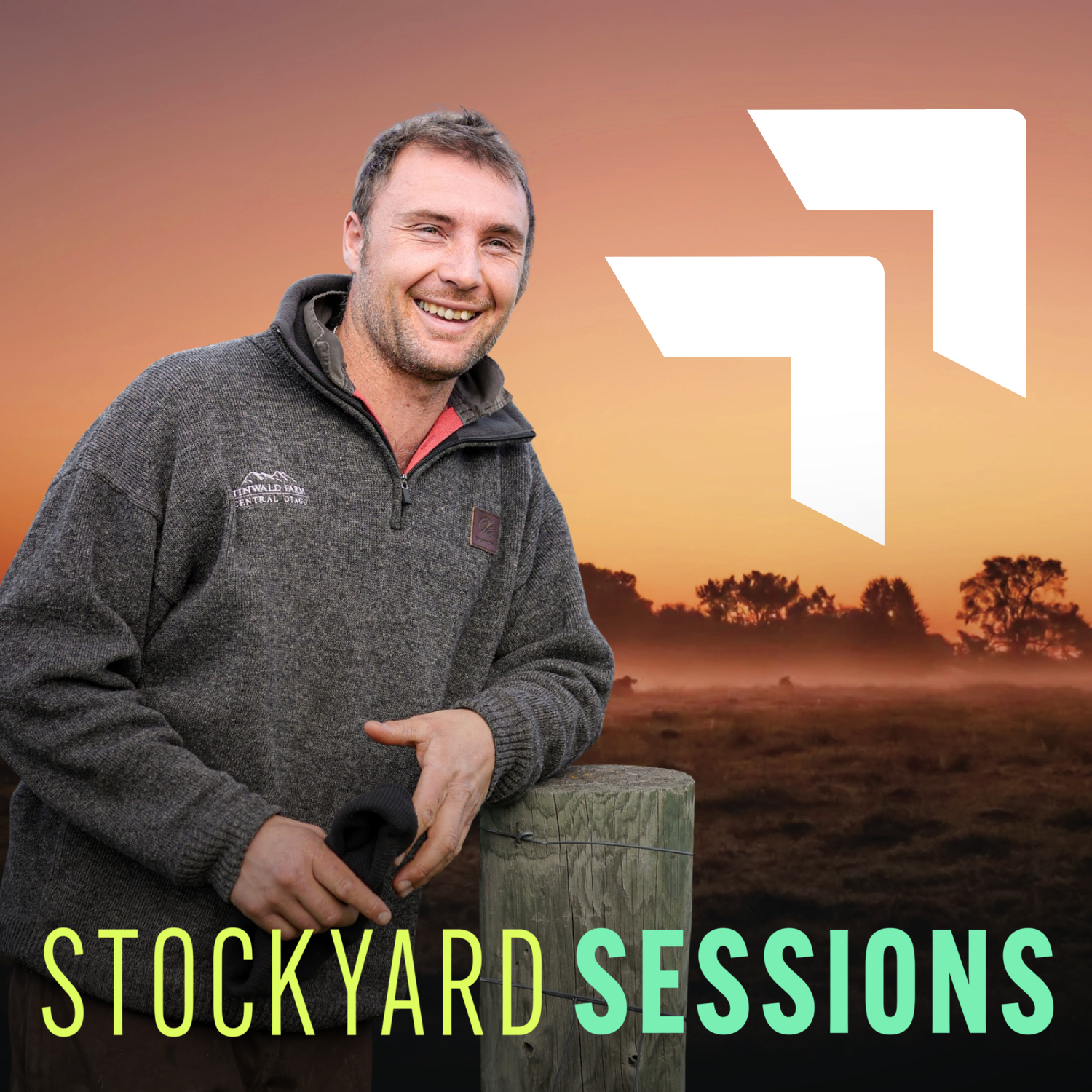
When Jason Sutherland started managing the livestock at Tinwald Farm in Central Otago, the property was running around 10,000 stock units on 650 effective hectares. Everything was contract grazed, the whole farm was ryegrass and clover, and every January the heat would knock the feed out from under him. Jason calls it a man-made drought.
In this episode of Stockyard Sessions, Jason explains how the team rebuilt the grazing system. They planted dryland species like cocksfoot, fescue, chicory, plantain and lucerne under pivots, moved to large mobs, and now own all their stock: around 300 Angus breeding cows and 1,500 ewes.
Recovery periods sit around 30 to 35 days in spring and stretch to 120 days or more in dry years. That planning was tested when the irrigation water ran out for a month and a half, and the farm still had two to three months of feed in front of its grazing livestock.
“Previously, we would have had to destock the whole farm because we ran out of feed. Those recovery periods are what help you relax, knowing you’ve got feed ahead of you”
Jason also shares how he’d advise other managers to start without putting production at risk, and why watching your stock closely is the habit he’d recommend to every farmer.
This podcast is brought to you by Atlas Ag, the team behind Atlas Carbon and Atlas Grazing.
Disclaimer
This podcast’s information is provided for general reference and was obtained from publicly accessible sources. The Podcast Collaborative neither produces nor verifies the content, accuracy, or suitability of this podcast. Views and opinions belong solely to the podcast creators and guests.
For a complete disclaimer, please see our Full Disclaimer on the archive page. The Podcast Collaborative bears no responsibility for the podcast’s themes, language, or overall content. Listener discretion is advised. Read our Terms of Use and Privacy Policy for more details.