Dharma Lab
Dharma Lab
Podcast Description
Modern neuroscience meets ancient contemplative wisdom, with Dr. Richard Davidson and Dr. Cortland Dahl dharmalabco.substack.com
Podcast Insights
Content Themes
The podcast explores themes of neuroscience, mindfulness, and compassion, with episodes like 'Your Brain on AI' discussing the intersections of technology and mental processes, and 'The Most Important Thing' focusing on kindness and its implications in both neuroscience and Buddhist teachings. Specific areas of focus include the impact of AI on cognitive function, the distinction between empathy and compassion, and the historical context of kindness in relation to mental health.
Modern neuroscience meets ancient contemplative wisdom, with Dr. Richard Davidson and Dr. Cortland Dahl
We are so honored to welcome Yongey Mingyur Rinpoche to another episode of Dharma Lab.
In today’s conversation with Cort and Richie, Rinpoche shares practical ways to stay present in a busy life: a powerful metaphor (“time is like a rubber band”), an “inner sky” teaching for working with anxiety and emotional storms, and a simple micro-practice you can try in under a minute.
They also explore why meditation can increase energy and effectiveness, how altruistic intention can transform stress into purpose, and what early research suggests about “flourishing” rippling outward into our families, workplaces, and communities.
Podcast Chapter List:
00:00 – Mingyur Rinpoche’s “32 projects” and the secret to steady energy00:27 – Why busyness pulls the mind into past/future (and out of the present)00:55 – How stress shows up in the body 01:14 – “Time is like a rubber band”: making practice fit real life03:13 – Retreat, discipline, and why highly productive people still practice deeply05:23 – The “inner sky”: storms of emotion don’t change awareness06:25 – The airplane rule: “Put your mask on first” (service without burnout)08:24 – Altruistic motivation: practicing for the benefit of others08:53 – Richie’s 2-minute post-meditation calendar practice (be more helpful today)09:56 – “Plugging into a power source”: curiosity, insight, and wisdom as fuel10:06 – The trap of endless wants/needs—and why it’s draining10:26 – Service as nourishment: turning a busy day into a meaningful day21:11 – Doomscrolling vs. creating space for wisdom and compassion24:50 – The science question: does flourishing ripple into systems and communities?25:25 – Mexico healthcare study with Atentamente (practice in the real world)26:35 – Randomized controlled trial results: wellbeing, care outcomes, productivity28:30 – 1-minute micro-practice with Mingyur Rinpoche: connect with the wish to be happy, and expanding that intention outward: love, compassion, and shared flourishing
In case you missed it, previous conversation with Rinpoche:
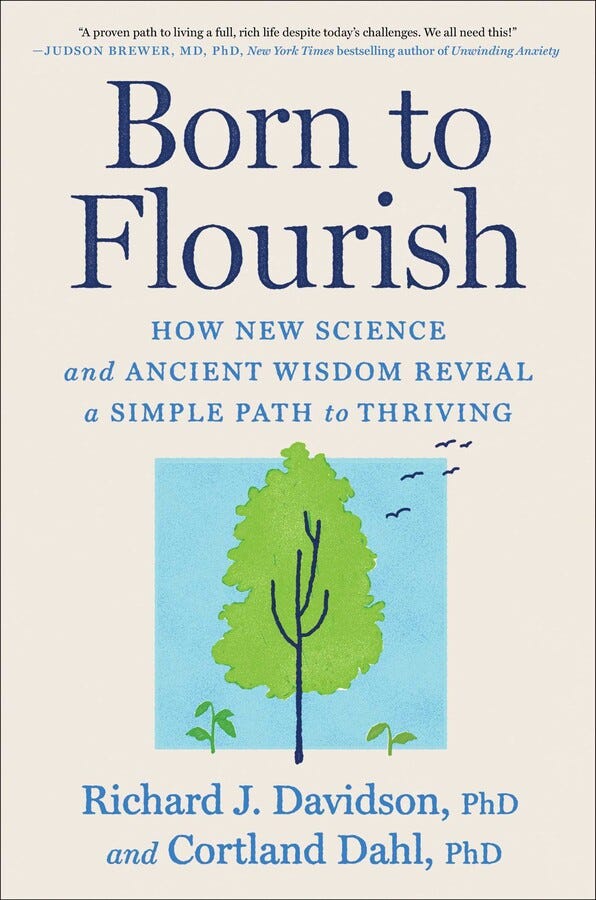
Cort and Richie’s new book is coming out in a few weeks! Pre-order Born to Flourish and get:
* 1 full year of paid access to Dharma Lab ($100 value) with weekly essays, research updates, podcasts, and member-only online events
* Live access to an exclusive Born to Flourish Launch Event
* Richie and Cort’s personal reading list on the art of flourishing
* A daily protocol for training the mind to flourish
Other posts referenced in this episode:
This is a public episode. If you’d like to discuss this with other subscribers or get access to bonus episodes, visit dharmalabco.substack.com/subscribe
Disclaimer
This podcast’s information is provided for general reference and was obtained from publicly accessible sources. The Podcast Collaborative neither produces nor verifies the content, accuracy, or suitability of this podcast. Views and opinions belong solely to the podcast creators and guests.
For a complete disclaimer, please see our Full Disclaimer on the archive page. The Podcast Collaborative bears no responsibility for the podcast’s themes, language, or overall content. Listener discretion is advised. Read our Terms of Use and Privacy Policy for more details.