The Alliance Conversation Podcast

The Alliance Conversation Podcast
Podcast Description
Conversations to help you create successful strategic alliances & partnerships. petersimoons.substack.com
Podcast Insights
Content Themes
Centers around topics like strategic partnerships, entrepreneurial growth, and executive leadership, with episodes discussing the importance of knowing your purpose in partnerships and exploring tools that enhance collaboration, such as in-depth discussions about forthcoming books like COELEVATE.
Conversations with experts in the field of alliances & partnerships and with business owners and entrepreneurs who have built their businesses thanks to collaborations. The show aims to be an inspirational source for the listeners to provide useful insights to the best ways of working together in business-to-business collaboration.
After an extended summer break, it’s time to bring back another episode of the Collaborative Business Podcast. In this episode, recorded in 2015 but perhaps more relevant today than ever, I’m in conversation with my friend and business partner Anoop Nathwani about the discipline of collaborative supplier relationship management and why so few organisations genuinely master it.
Anoop’s credentials speak for themselves. With over two decades in strategic alliances, mostly in telecommunications at Vodafone, Hutchison and Nokia, he has since proven that partnership skills transfer well beyond telecoms. Back in 2010, while still at Nokia, he was moved from the alliance department into supplier relationships, charged with transforming transactional, customer-controlled dealings into collaborative ones. That experience anchors much of this conversation.
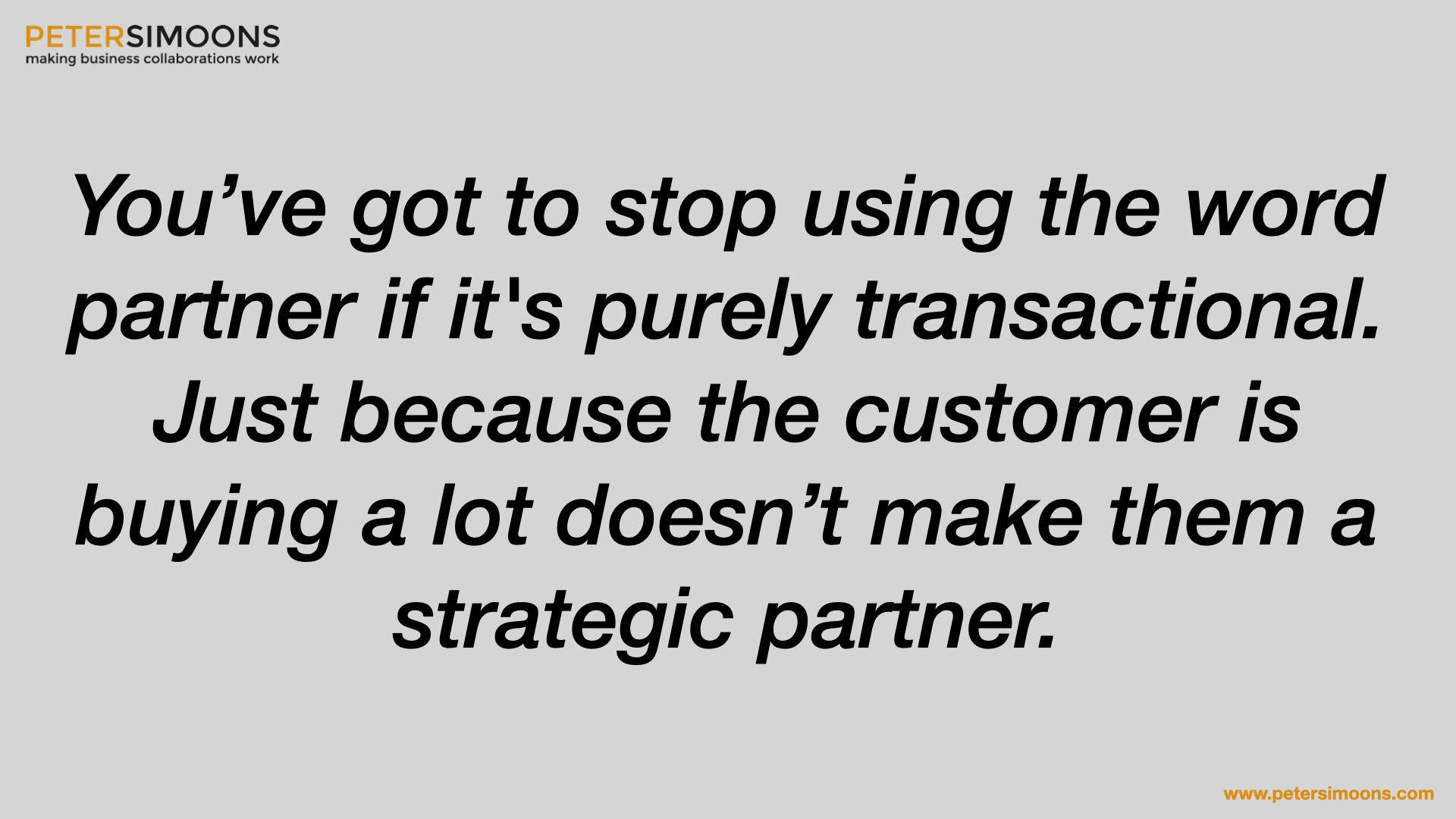
The central argument of the episode is deceptively simple. A supplier you spend heavily with is a strategic customer relationship, not a strategic partnership. Volume alone does not make a partner. True supplier relationship management means identifying the suppliers with the greatest positive impact on your strategy, not merely the largest invoices, and then investing in those relationships to unlock innovation, growth and competitive advantage, alongside the more familiar cost reductions.
What makes this episode genuinely challenging is its honesty about the obstacles. Anoop describes the near-zero-sum mindset of traditional procurement, the difficulty of asking someone who squeezed a supplier hard yesterday to be its trusted partner today, and why so many in-house attempts at supplier relationship management quietly fail. He cites a major oil and gas company that blazed a trail by hiring former sales and alliance professionals to manage its most strategic supplier relationships, separating negotiation from relationship building entirely. He also describes the shifting role of procurement itself, which must become an internal champion of collaboration, spending as much energy aligning stakeholders as it does dealing with suppliers. His conclusion is blunt: perhaps two per cent of large companies truly know how to partner with suppliers, and the rest are leaving enormous value on the table.
Whether you sit in procurement, finance or general management, this episode offers a practical framework, grounded in real transformation stories, for turning your supply base from a line item into a source of lasting strategic advantage. Listening time is around thirty minutes, well spent for anyone serious about unlocking the value hidden in their supply chain.
With another four episodes left to republish, the “what’s next” question comes up: would you be interested in listening to a new round of alliance conversations in the podcast, and if so, who would you recommend as my guest(s)?
Let me know in the comments.
This is a public episode. If you would like to discuss this with other subscribers or get access to bonus episodes, visit petersimoons.substack.com
Disclaimer
This podcast’s information is provided for general reference and was obtained from publicly accessible sources. The Podcast Collaborative neither produces nor verifies the content, accuracy, or suitability of this podcast. Views and opinions belong solely to the podcast creators and guests.
For a complete disclaimer, please see our Full Disclaimer on the archive page. The Podcast Collaborative bears no responsibility for the podcast’s themes, language, or overall content. Listener discretion is advised. Read our Terms of Use and Privacy Policy for more details.