Say It Anyway

Say It Anyway
Podcast Description
Welcome to Say It Anyway, the podcast where we help you unlock the breakthrough you've been waiting for so your true life path can finally come to life.
Each week we share powerful practical tools you can use right now to start transforming your life. You'll hear raw, honest conversations with people from all walks of life, people who found their way forward,
and are here to share mindsets, strategies, and wisdom that help them get there.
Podcast Insights
Content Themes
The podcast emphasizes personal transformation, creativity, and authenticity, with episodes exploring subjects like overcoming fear, finding one's calling, and the healing power of artistic expression, exemplified by discussions on songwriting as therapy and the importance of community support.
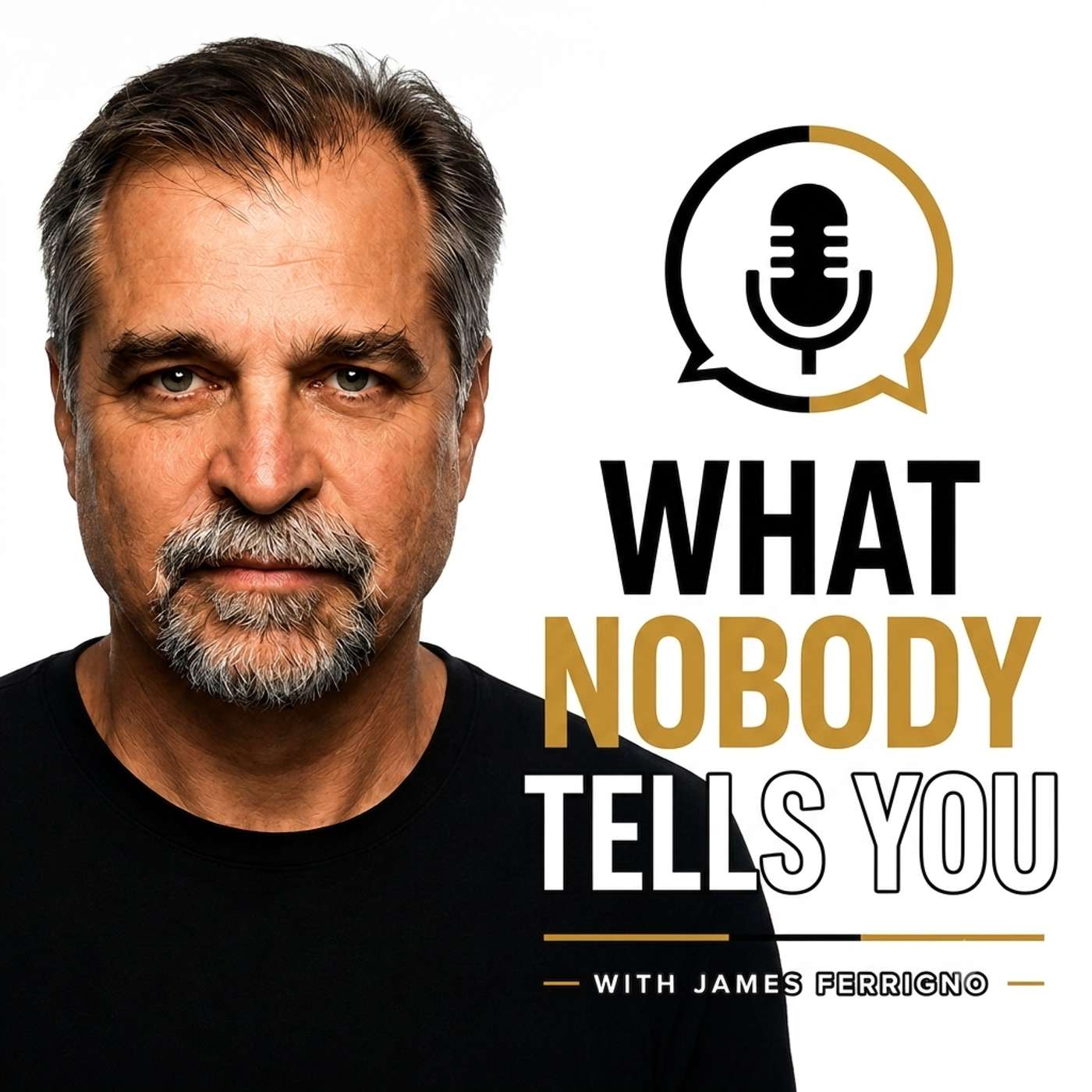
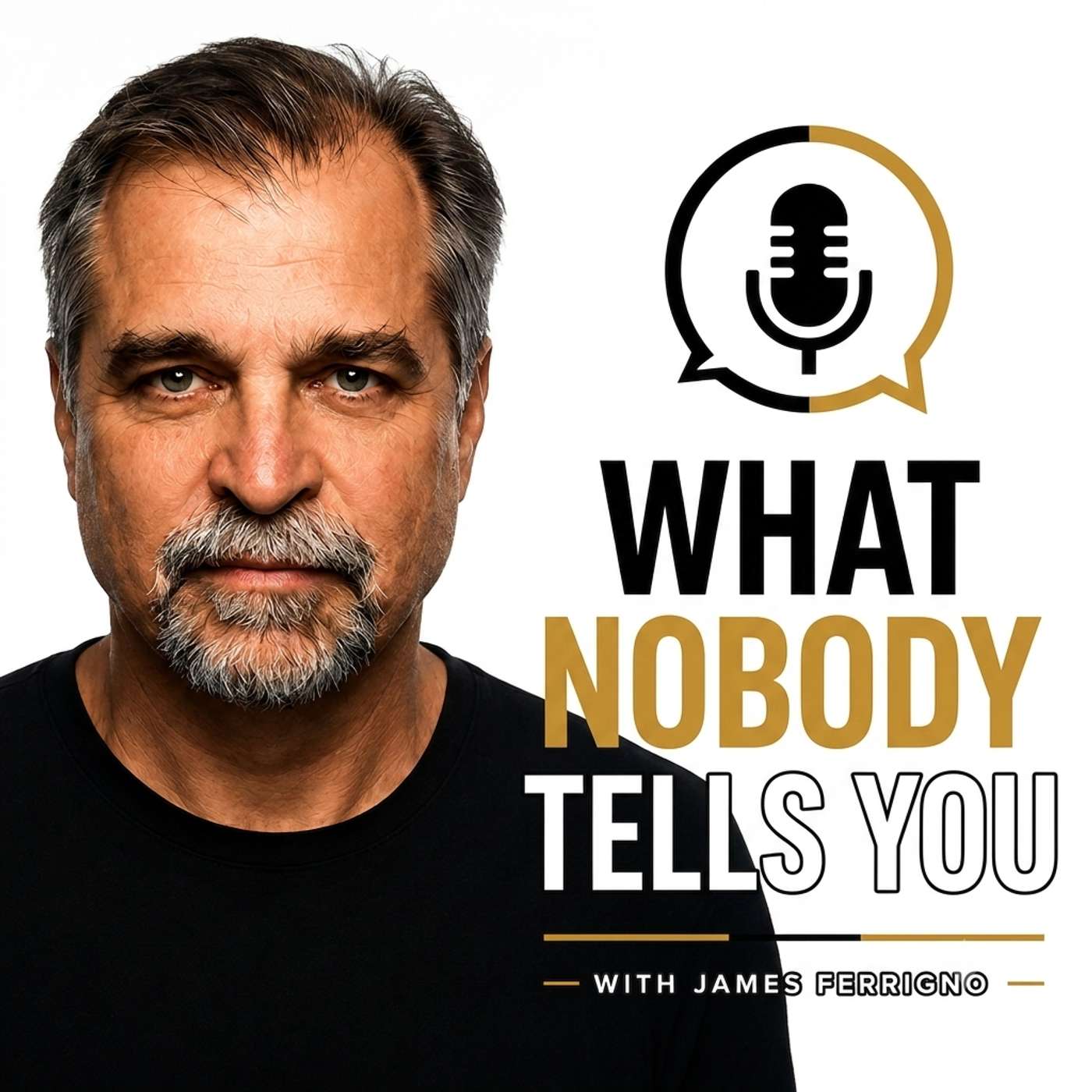
What Nobody Tells you
With James Ferrigno
Practical Truths for a Better Life
Real conversations. Hidden wisdom. A better way to live.
What Nobody Tells You
Practical Truths for a Better Life
What Nobody Tells You is a podcast about the hidden wisdom that actually helps you live better — emotionally, mentally, and spiritually.
I’m your host James Ferrigno. Join me as we explore the truths most people never hear in areas like practical tips on daily living, how to be vulnerable in a healthy relationship, and what it really takes to change your life from the inside out. Through honest solo episodes and deep conversations with guests from the worlds of social participation, healing, human development, and creatively navigating bureaucracy, this show brings practical insights you can use right away.
This isn’t surface-level self-help.
It’s the real work.
The quiet wisdom.
The things nobody told you — but you should have.
If you’re looking for clarity, courage, and tools for everyday life, this podcast is for you.
James Ferrigno talks with John Nadler about relationships, communication, intimacy, authenticity, men’s work, and personal growth. John shares his journey from more than 30 years as a mechanical engineer to yoga, men’s work, Human Awareness Institute workshops, and helping people develop deeper connection.
Work with James: https://whatnobodytellsyou.carrd.co
They discuss learning to communicate honestly, active listening, finding the strength to speak up, emotional intimacy, sexuality, boundaries, knowing what you want, and the challenge of asking for what you need. John also shares how men’s work helped him become more authentic and connected to himself, and how deeper connection can change our experience of relationships.
Time Codes
00:00 From mechanical engineer to relationship facilitator
02:16 What is Human Awareness Institute?
04:00 Learning communication and active listening
05:49 John’s men’s work journey
06:30 Finding strength and learning who you are
10:14 Working with the father wound
11:52 A painful lesson in leadership and finding his strength
14:06 Repairing conflict and strengthening relationships
15:10 Why communication is so important
20:00 Staying connected to yourself and others
24:38 Creating a “bubble” for intimacy
26:30 What people misunderstand about intimacy
27:21 Emotional intimacy, sexual intimacy, and communication
29:12 Authenticity and knowing what you want
31:05 Learning to ask for what you want
33:00 Tantra, pleasure, and connection
36:27 Experiencing energetic connection
37:17 Feeling other people’s grief and emotions
41:49 Men’s work and learning to feel
44:45 The importance of self-love
45:48 Closing
Disclaimer
This podcast is for informational and educational purposes only and is not a substitute for professional medical, psychological, psychiatric, or mental health care. James Ferrigno and his guests share personal experiences, perspectives, and opinions that may not reflect established scientific or clinical consensus.
Nothing discussed should be considered diagnosis, treatment, or professional advice. Different personal-growth, relationship, spiritual, or therapeutic practices work differently for different people. If you are experiencing significant emotional or mental health concerns, consider consulting a qualified professional.
The podcast does not create a doctor-patient, therapist-client, or other professional relationship. You are responsible for your own decisions and should use your own judgment when applying anything discussed on the show.
Disclaimer
This podcast’s information is provided for general reference and was obtained from publicly accessible sources. The Podcast Collaborative neither produces nor verifies the content, accuracy, or suitability of this podcast. Views and opinions belong solely to the podcast creators and guests.
For a complete disclaimer, please see our Full Disclaimer on the archive page. The Podcast Collaborative bears no responsibility for the podcast’s themes, language, or overall content. Listener discretion is advised. Read our Terms of Use and Privacy Policy for more details.