Real Life Counseling | by The Counseling Corner
Real Life Counseling | by The Counseling Corner
Podcast Description
What is counseling really like? How do you know when it’s time to get help and what happens once you do?
On Real Life Counseling Ryan Simpson (regular guy) and Dr. Ernie (LCSW and founder of The Counseling Corner) explore practical questions and honest answers about counseling and taking care of your mental health.
If you’re navigating anxiety, grief, marriage struggles, raising a child who might need support, or you just have some questions this show will help you feel informed and empowered.
For more resources visit www.counselingcorner.net
Podcast Insights
Content Themes
The show focuses on mental health topics including anxiety management, grief coping, relationship challenges, and parenting strategies, with episodes like 'Can Counseling Actually Help Me (or my Family)?' providing insights on the evolution of mental health perceptions and the benefits of therapy for personal growth.
What is counseling really like? How do you know when it’s time to get help, and what happens once you do?
On Real Life Counseling, David Morillo and Dr. Ernie, LCSW (founder of The Counseling Corner, est 1998), explore practical questions and honest answers about counseling and taking care of your mental health.
If you’re navigating anxiety, grief, marriage struggles, raising a child who might need support, or you just have some questions, this show will help you feel informed and empowered.
For more resources, visit https://www.counselingcorner.net
Many adults spend years believing they're lazy, forgetful, unmotivated, or simply ”not disciplined enough”—when the real issue may be undiagnosed ADHD.
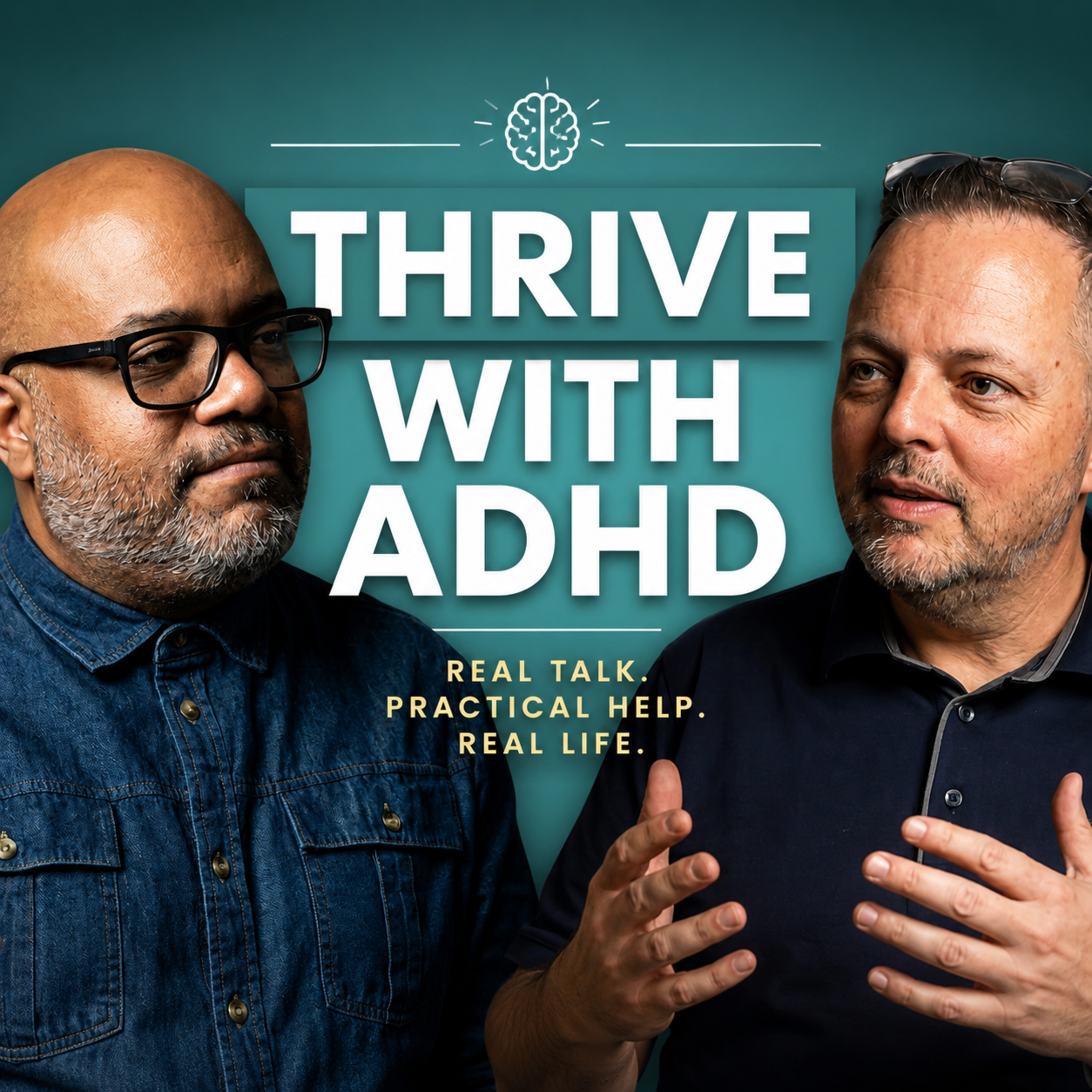
In this episode of Real Life Counseling, David Morillo sits down with licensed clinical social worker Dr. Ernie to unpack what adult ADHD really looks like beyond the common stereotypes. Together they explore inattentive ADHD, emotional regulation, executive functioning, procrastination, shame, relationships, parenting, and why so many adults aren't diagnosed until later in life.
Whether you've been diagnosed with ADHD, suspect you might have it, or love someone who struggles with attention and executive functioning, this conversation offers practical insight, compassion, and hope. You'll also hear why ADHD isn't a character flaw, how treatment can transform quality of life, and how couples and families can better understand one another.
If you've ever wondered whether your struggles are something more than forgetfulness or lack of motivation, this episode is an encouraging place to begin.
Key Takeaways
What adult ADHD actually is—and what it isn't
The difference between inattentive, hyperactive, and combined ADHD
Common signs that adults often overlook
Why ADHD is frequently mistaken for laziness or poor discipline
How executive functioning affects everyday life
The emotional impact of years of shame and self-criticism
How ADHD influences marriages and long-term relationships
Practical ways couples can better understand ADHD
The role ADHD plays in parenting and family dynamics
Why diagnosis and treatment can dramatically improve quality of life
REAL LIFE COUNSELING — LISTEN NOW
Spotify:https://open.spotify.com/show/4oUv25gP3n01Gtf3xpoBjU?si=6d3092fff5794b8d
Apple Podcasts:https://apple.co/4ohRxq2
YouTube:https://www.youtube.com/@TheCounselingCornerFL
THE COUNSELING CORNER — CONTACT US
Website:www.counselingcorner.net
Phone: 407-843-4968
Email: [email protected]
Address: 1631 Hillcrest St., Orlando, FL 32803
FOLLOW US:
Instagram:https://www.instagram.com/counselingcornerorlando/
Facebook:https://www.facebook.com/1631CounselingCorner
Meet Our Counselors:
Disclaimer
This podcast’s information is provided for general reference and was obtained from publicly accessible sources. The Podcast Collaborative neither produces nor verifies the content, accuracy, or suitability of this podcast. Views and opinions belong solely to the podcast creators and guests.
For a complete disclaimer, please see our Full Disclaimer on the archive page. The Podcast Collaborative bears no responsibility for the podcast’s themes, language, or overall content. Listener discretion is advised. Read our Terms of Use and Privacy Policy for more details.