Seathrough Efficiency
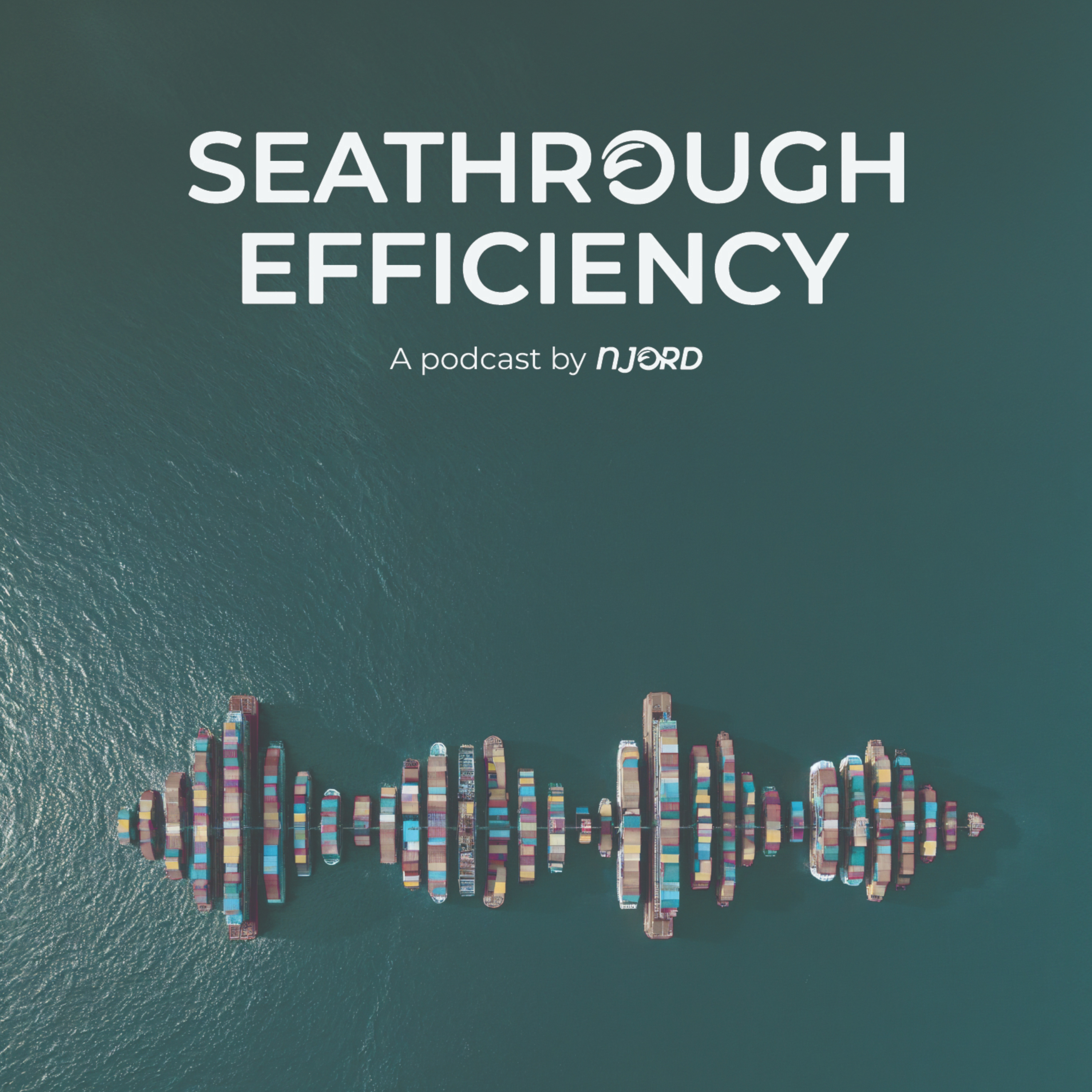
Seathrough Efficiency
Podcast Description
Seathrough Efficiency is a podcast that cuts through the noise in maritime sustainability. Each episode tackles common misconceptions surrounding Energy Efficiency Technologies (EETs) and brings clarity to what actually works—and why.
Whether you're a shipowner, charterer, or just curious about green tech at sea, we break down the facts, challenge outdated assumptions, and share real insights from experts navigating the energy transition in shipping.
Podcast Insights
Content Themes
The podcast tackles common misconceptions about maritime energy efficiency, focusing on key topics such as the effectiveness of retrofit projects, the implications of various technologies like PBCF, Mewis ducts, and VFDs, and the real-world performance metrics associated with these innovations. Episodes include case studies, such as the Maersk Ingrid retrofit, and discussions on aligning stakeholder interests when proposing retrofit solutions.
Seathrough Efficiency is a podcast that cuts through the noise in maritime sustainability. Each episode tackles common misconceptions surrounding Energy Efficiency Technologies (EETs) and brings clarity to what actually works—and why.
Whether you’re a shipowner, charterer, or just curious about green tech at sea, we break down the facts, challenge outdated assumptions, and share real insights from experts navigating the energy transition in shipping.
What makes a decarbonisation investment worth it?
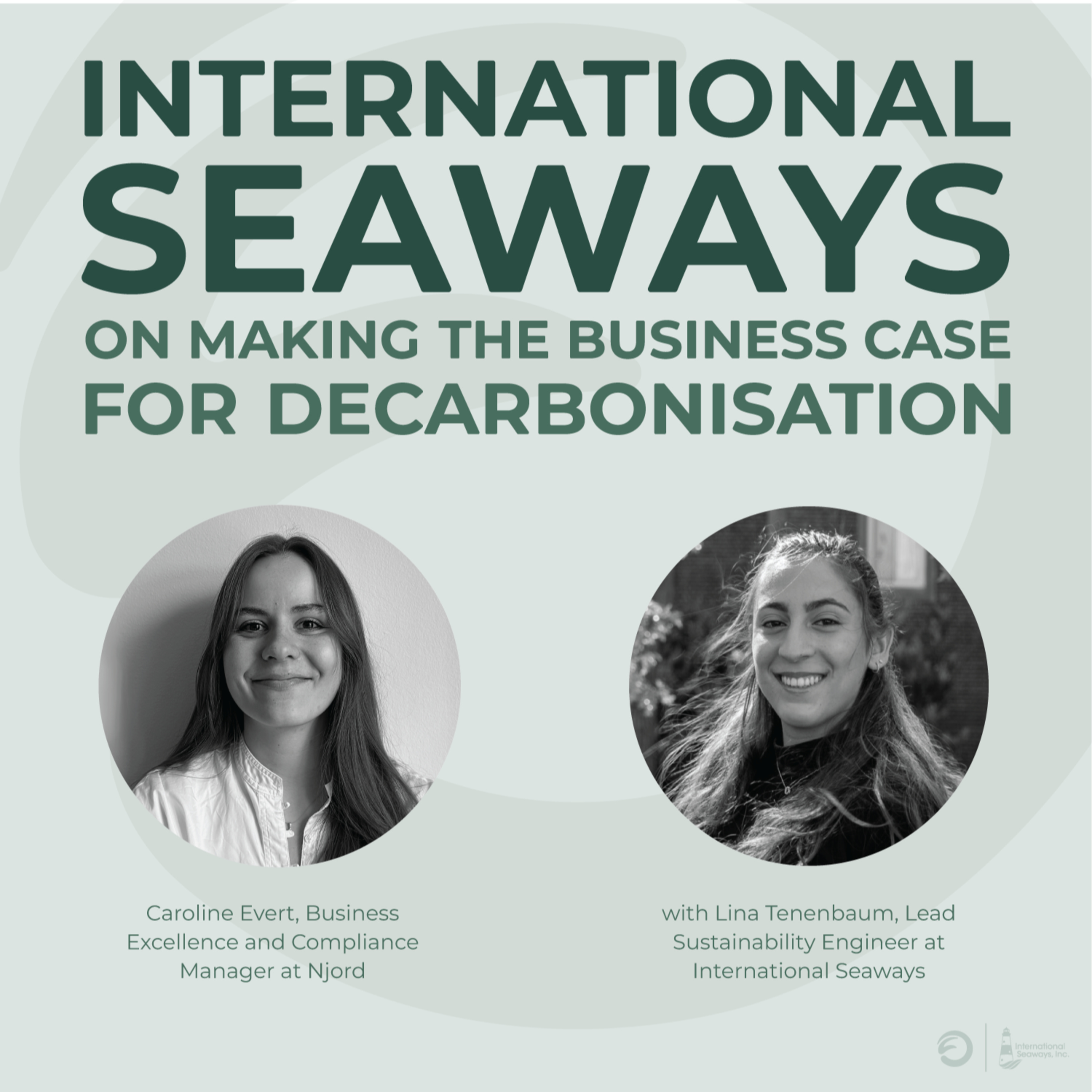
In our latest Sea Through Efficiency episode, we sit down with Lina Tenenbaum, Lead Sustainability Engineer at International Seaways, to explore how the company approaches decarbonisation across its fleet.
From energy efficiency and emerging technologies to vessel performance, data and ROI, we discuss why the right solution is rarely the same for every vessel, and how a strong understanding of the fleet can help turn potential opportunities into sound business decisions.
“We look at everything that’s out there, but we have to assess it on a case-by-case basis.”
A conversation about looking beyond the technology itself, and focusing on what actually makes sense for the vessel, the operation and the business.
Disclaimer
This podcast’s information is provided for general reference and was obtained from publicly accessible sources. The Podcast Collaborative neither produces nor verifies the content, accuracy, or suitability of this podcast. Views and opinions belong solely to the podcast creators and guests.
For a complete disclaimer, please see our Full Disclaimer on the archive page. The Podcast Collaborative bears no responsibility for the podcast’s themes, language, or overall content. Listener discretion is advised. Read our Terms of Use and Privacy Policy for more details.