Seathrough Efficiency
Seathrough Efficiency
Podcast Description
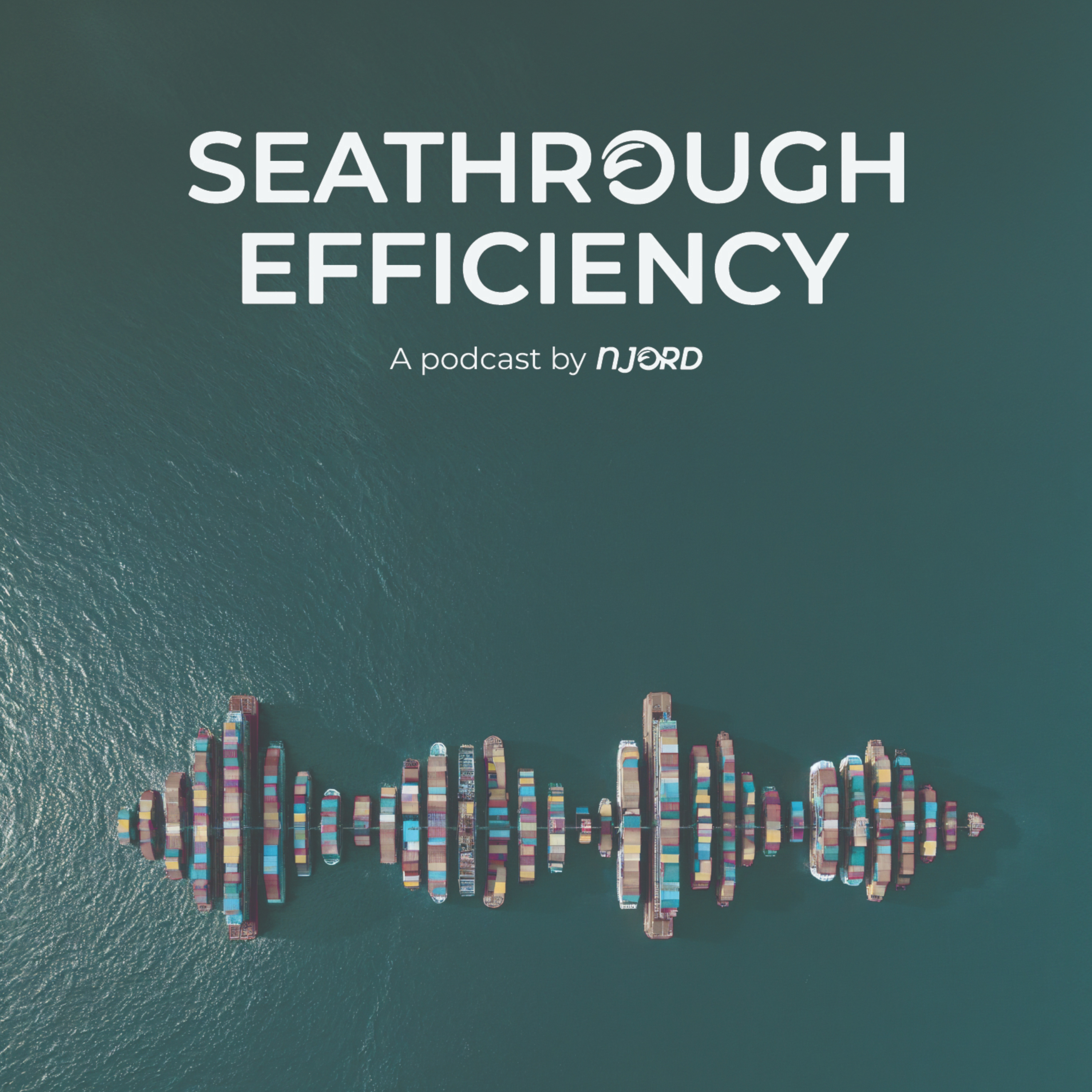
Seathrough Efficiency is a podcast that cuts through the noise in maritime sustainability. Each episode tackles common misconceptions surrounding Energy Efficiency Technologies (EETs) and brings clarity to what actually works—and why.
Whether you're a shipowner, charterer, or just curious about green tech at sea, we break down the facts, challenge outdated assumptions, and share real insights from experts navigating the energy transition in shipping.
Podcast Insights
Content Themes
The podcast tackles common misconceptions about maritime energy efficiency, focusing on key topics such as the effectiveness of retrofit projects, the implications of various technologies like PBCF, Mewis ducts, and VFDs, and the real-world performance metrics associated with these innovations. Episodes include case studies, such as the Maersk Ingrid retrofit, and discussions on aligning stakeholder interests when proposing retrofit solutions.
Seathrough Efficiency is a podcast that cuts through the noise in maritime sustainability. Each episode tackles common misconceptions surrounding Energy Efficiency Technologies (EETs) and brings clarity to what actually works—and why.
Whether you’re a shipowner, charterer, or just curious about green tech at sea, we break down the facts, challenge outdated assumptions, and share real insights from experts navigating the energy transition in shipping.
In our latest episode of SeaThrough Efficiency, we speak with Nina Porst, Executive Director for Sustainable Ships and Skills at Danish Shipping, about how shipowners are approaching decarbonization in a complex and evolving regulatory landscape. The conversation explores:
The role of national and international regulation, including developments at the International Maritime Organization
Why regulatory clarity is essential for long-term investment decisions
What actions are available to shipowners today, particularly within energy efficiency and retrofits
Rather than focusing on long-term scenarios alone, the discussion centres on practical steps that can be implemented now, while the broader fuel transition continues to develop.

Disclaimer
This podcast’s information is provided for general reference and was obtained from publicly accessible sources. The Podcast Collaborative neither produces nor verifies the content, accuracy, or suitability of this podcast. Views and opinions belong solely to the podcast creators and guests.
For a complete disclaimer, please see our Full Disclaimer on the archive page. The Podcast Collaborative bears no responsibility for the podcast’s themes, language, or overall content. Listener discretion is advised. Read our Terms of Use and Privacy Policy for more details.