Don't Be a Jerk
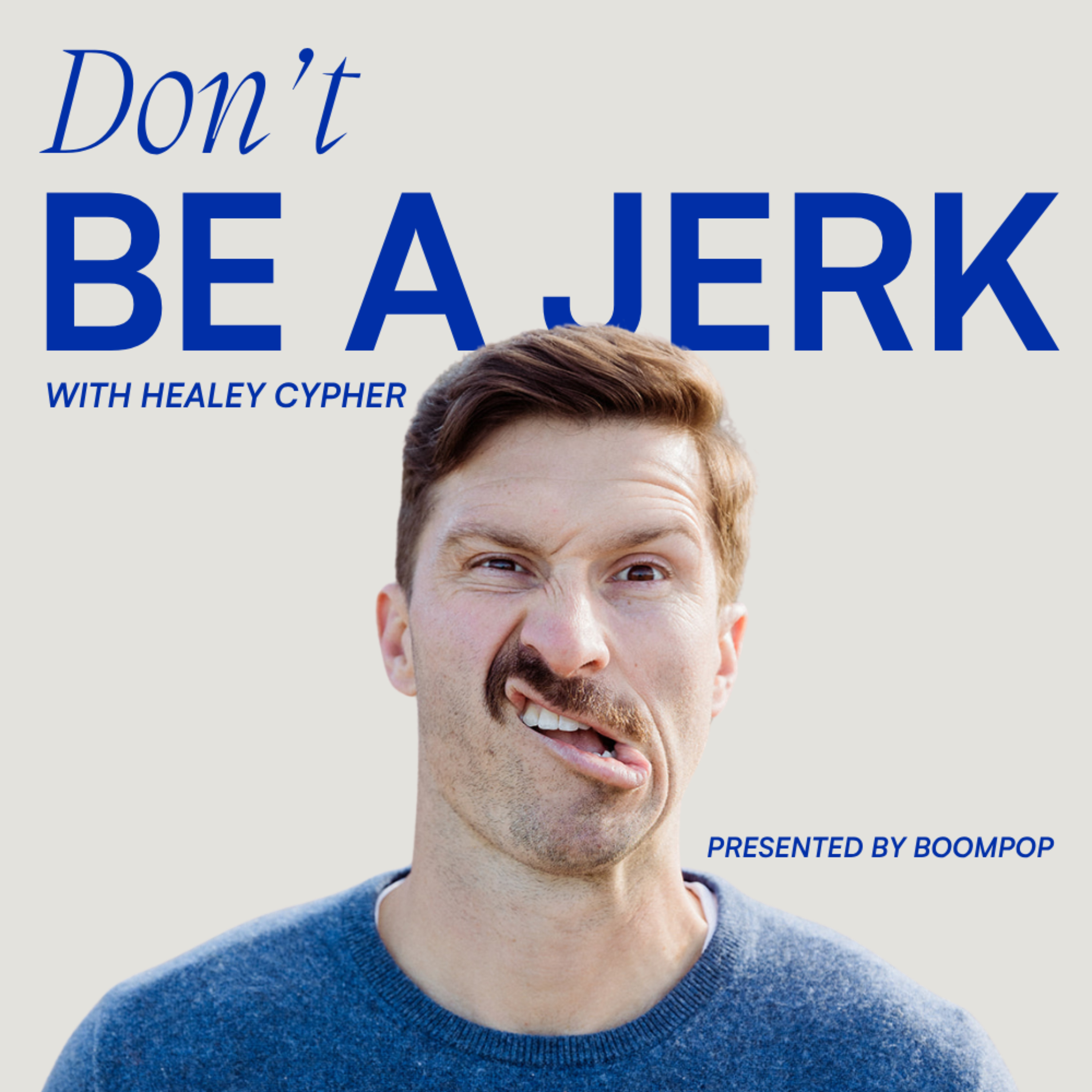
Don't Be a Jerk
Podcast Description
👋 Hey there, Healey Cypher here. My brother once said all CEOs are inherently bad, and I get it. Headlines glamorize ruthless success, but there’s another story: leaders who win because they’re good people.
“Don’t Be a Jerk” explores real-world examples and tactical insights proving kindness and integrity aren’t just nice; they’re strategic advantages.
Each episode reveals actionable lessons to build success without compromising values. Let’s rewrite the narrative of leadership, one story at a time.
Podcast Insights
Content Themes
The podcast focuses on themes of leadership ethics, business authenticity, and emotional intelligence, with episodes covering topics such as the strategic advantages of vulnerability in venture capital and the impact of genuine communication in business transactions.
👋 Hey there, Healey Cypher here. My brother once said all CEOs are inherently bad, and I get it. Headlines glamorize ruthless success, but there’s another story: leaders who win because they’re good people.
“Don’t Be a Jerk” explores real-world examples and tactical insights proving kindness and integrity aren’t just nice; they’re strategic advantages.
Each episode reveals actionable lessons to build success without compromising values. Let’s rewrite the narrative of leadership, one story at a time.
A year ago, Healey Cypher started Don't Be a Jerk as a personal quest to prove that being a jerk isn't the way to get ahead. Twelve guests later, the evidence keeps pointing the same way: most people are fundamentally good, and the jerks just get more airtime.
For the show's one-year anniversary, Healey pulls together his favorite moments from year one. The guests include the Stanford psychologist behind The No Asshole Rule, an 11-year-old who produces his own podcast, negotiation coaches, a VC, founders, and leading researchers on empathy and happiness from Stanford and UC Berkeley.
You'll hear why yelling means you've already lost, what happens to people who lead with leverage once the leverage runs out, and why the science says the ”me or them” mindset doesn't hold up.
Highlights
– Why Bob Sutton says you can win in business and still lose as a human being
– 11-year-old Sam Schwartz on the difference between being nice and being kind
– The VC line Derek Blazensky never forgot, and why deals built on leverage don't last
– How Brianne Kimmel's generosity keeps coming back to her
– Why Ilana Nankin says kindness buys leaders back time
– Bing Chen on the screamers at Google and making people feel bigger
– Jamil Zaki and Emiliana Simon-Thomas on the science of our social nature
Subscribe on YouTube and follow Don't Be a Jerk on Spotify and Apple Podcasts. Have a guest, topic, or hard question you want Healey to take on? Drop it in the comments.
CHAPTERS
00:00 One year of Don't Be a Jerk01:10 Bob Sutton on winning vs. being a good human03:00 Sam Schwartz on nice vs. kind04:15 Faith Cohen on leaning into discomfort05:45 Derek & Todd on leverage and payback07:30 Brianne Kimmel on generosity that comes back09:15 Ilana Nankin on kindness buying back time10:40 Carolina García Jayaram on leading with love12:35 Alan Ross on gratitude vs. kindness14:05 Bing Chen on why yelling means you lost16:05 Emiliana Simon-Thomas on the me-or-them myth18:05 Jamil Zaki on our true nature19:50 What's next for year two
Disclaimer
This podcast’s information is provided for general reference and was obtained from publicly accessible sources. The Podcast Collaborative neither produces nor verifies the content, accuracy, or suitability of this podcast. Views and opinions belong solely to the podcast creators and guests.
For a complete disclaimer, please see our Full Disclaimer on the archive page. The Podcast Collaborative bears no responsibility for the podcast’s themes, language, or overall content. Listener discretion is advised. Read our Terms of Use and Privacy Policy for more details.