DHABA
Podcast Description
Inspired by the punjabi roadside resting place, DHABA is a podcast that invites pause, perspective, and peppered wisdom. Each episode brings together cooks, caretakers, bridge-builders and makers whose craft speaks louder than credentials. DHABA is a resting place for restless minds, where experience is the spice and conversation the fuel.
Podcast Insights
Content Themes
The podcast centers on themes of design, personal growth, and the impact of technology on society. Notable episodes include discussions on the evolution of design tools, the role of AI in the industry, and the significance of social media influencers in the design landscape.
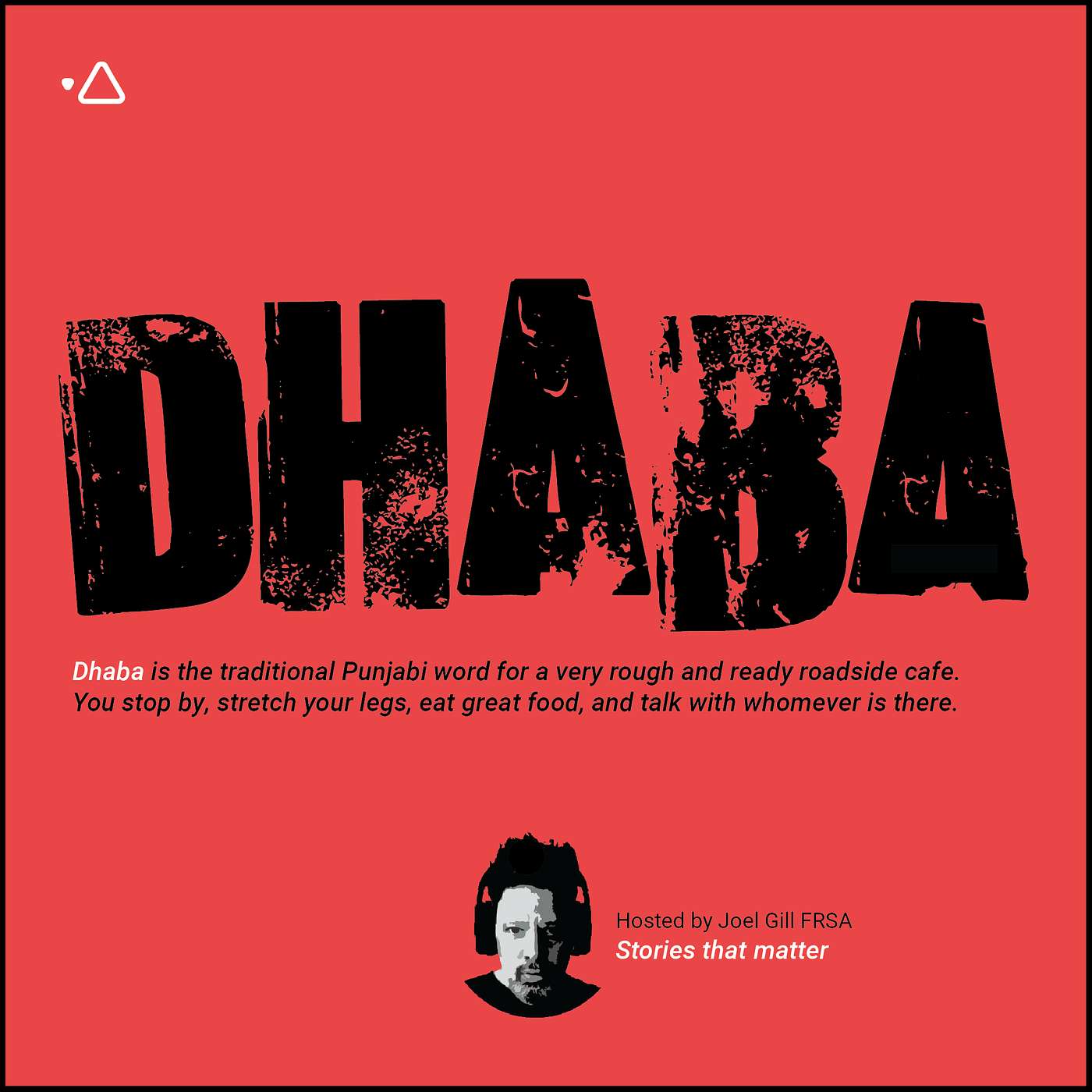
Inspired by the punjabi roadside resting place, DHABA is a podcast that invites pause, perspective, and peppered wisdom. Each episode brings together cooks, caretakers, bridge-builders and makers whose craft speaks louder than credentials. DHABA is a resting place for restless minds, where experience is the spice and conversation the fuel.
What if accessibility wasn’t a hurdle at the finish line but the spark that makes products shine for everyone? We sit down with accessibility specialist Maya Selin to unpack how inclusive design moves from checklists to genuine human impact—and why that shift boosts creativity, market reach, and team morale.
Maya traces her path from early web days and brand governance to a people-first practice rooted in standards like WCAG and ISO, yet animated by real user insight. She explains how audits rise with new regulations such as the European Accessibility Act, but enforcement alone can’t replace empathy. The breakthrough comes when teams see that options beat perfection: strong structure, semantic HTML, clear labels and contrast form the base, then flexible controls, captions, and keyboard flows open doors for more users and more contexts.
We explore AI’s double edge. Tools like Be My Eyes with GPT can expand independence by describing scenes and guiding tasks, yet models also inherit bias, over-weight dominant languages, and sometimes hallucinate. Maya makes the case for resilient, multi-modal experiences that serve screen readers, magnifiers, voice, text, and keyboard alike—because accessibility that helps assistive tech also improves AI parsing and overall usability. Along the way, we talk culture change: moving accessibility from an afterthought to a shared habit across discovery, design, and engineering, with real users involved early and often.
If you build digital products, lead teams, or care about customer experience, you’ll find practical ways to embed inclusion from day one and avoid costly rework later. Come for the standards, stay for the joy: accessible products are not just compliant—they’re clearer, faster, and more humane. Enjoy the conversation, then subscribe, share with a teammate, and leave a review telling us one change you’ll ship this week to include more users.
DHABA
Brewed slowly. served warmly. crafted with care

Disclaimer
This podcast’s information is provided for general reference and was obtained from publicly accessible sources. The Podcast Collaborative neither produces nor verifies the content, accuracy, or suitability of this podcast. Views and opinions belong solely to the podcast creators and guests.
For a complete disclaimer, please see our Full Disclaimer on the archive page. The Podcast Collaborative bears no responsibility for the podcast’s themes, language, or overall content. Listener discretion is advised. Read our Terms of Use and Privacy Policy for more details.