Revolution.Social
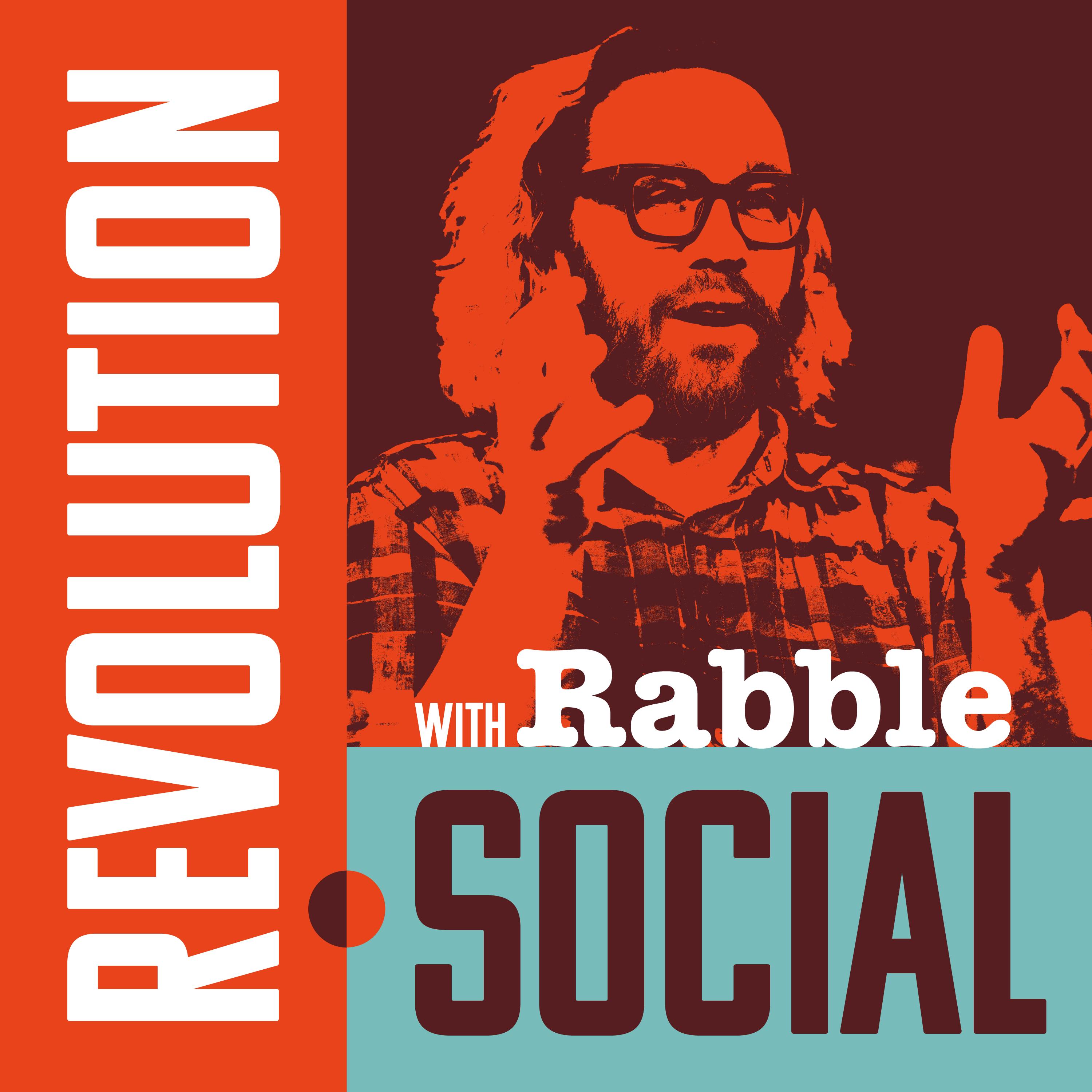
Revolution.Social
Podcast Description
A podcast about the future of social media and reclaiming our digital communities.
Revolution.Social is hosted by technologist and community advocate Rabble, a.k.a. Evan Henshaw-Plath — who was Twitter’s first employee and hired Jack Dorsey. In weekly interviews, Rabble will interview thought leaders, technologists, academics, and more about the need for a new social media "bill of rights."
Just as the original Bill of Rights protected individual freedoms from government overreach, we need fundamental protections from corporate control and surveillance capitalism. This is the start of a conversation about what developers are building, how they're building it, and what consumers need to be asking for.
Guests will include Jack Dorsey (former CEO & co-founder of Twitter); Kara Swisher (host of On with Kara Swisher, co-host of Pivot); Cory Doctorow (science fiction author & former editor of Boing Boing); and Taylor Lorenz (founder of User Mag, host of Power User).
Podcast Insights
Content Themes
The podcast addresses themes such as digital rights, corporate accountability, and community engagement. Episodes delve into the necessity of a social media 'bill of rights,' featuring discussions on topics like surveillance capitalism and user privacy. For example, episodes include interviews with industry leaders discussing the responsibilities of tech companies and the innovations leading towards a more user-centered internet.
A podcast about the future of social media and reclaiming our digital communities.
Revolution.Social is hosted by technologist and community advocate Rabble, a.k.a. Evan Henshaw-Plath — who was Twitter’s first employee and hired Jack Dorsey. In weekly interviews, Rabble will interview thought leaders, technologists, academics, and more about the need for a new social media “bill of rights.”
Just as the original Bill of Rights protected individual freedoms from government overreach, we need fundamental protections from corporate control and surveillance capitalism. This is the start of a conversation about what developers are building, how they’re building it, and what consumers need to be asking for.
Guests will include Jack Dorsey (former CEO & co-founder of Twitter); Kara Swisher (host of On with Kara Swisher, co-host of Pivot); Cory Doctorow (science fiction author & former editor of Boing Boing); and Taylor Lorenz (founder of User Mag, host of Power User).
“My thesis is that humans invent things all the time, and for the first 30 years, we call them technology,” says Ben “Neb” Cerveny, president of the Foundation for Public Code. “And then if they work, we call them infrastructure.”
Ben was part of the original team that built one of the defining Web 2.0 platforms, Flickr, and he even gave Flickr its name. Currently, he is applying what he learned from building digital communities to the next wave of software, web services, and urban planning; Foundation for Public Code, he says, has helped convince most of Europe’s governments that tech solutions don’t need to be privately owned and controlled.
Today on Revolution.Social, Ben and Rabble discuss the loss of human curation, which made early social media special; why software has just as much “terroir” as film or food; and how we might govern digital spaces by consensus. They also talk about the origins of Flickr, why Facebook is the fast food of social media, and how to build social platforms with civic intentionality.
This episode was produced and edited by Eric Johnson from LightningPod, and executive produced by Alice Chan from Flock Marketing.
To learn more about Rabble’s social media bill of rights, and sign up for our newsletter, visit https://revolution.social/

Disclaimer
This podcast’s information is provided for general reference and was obtained from publicly accessible sources. The Podcast Collaborative neither produces nor verifies the content, accuracy, or suitability of this podcast. Views and opinions belong solely to the podcast creators and guests.
For a complete disclaimer, please see our Full Disclaimer on the archive page. The Podcast Collaborative bears no responsibility for the podcast’s themes, language, or overall content. Listener discretion is advised. Read our Terms of Use and Privacy Policy for more details.