The Real Fishwives of Paris
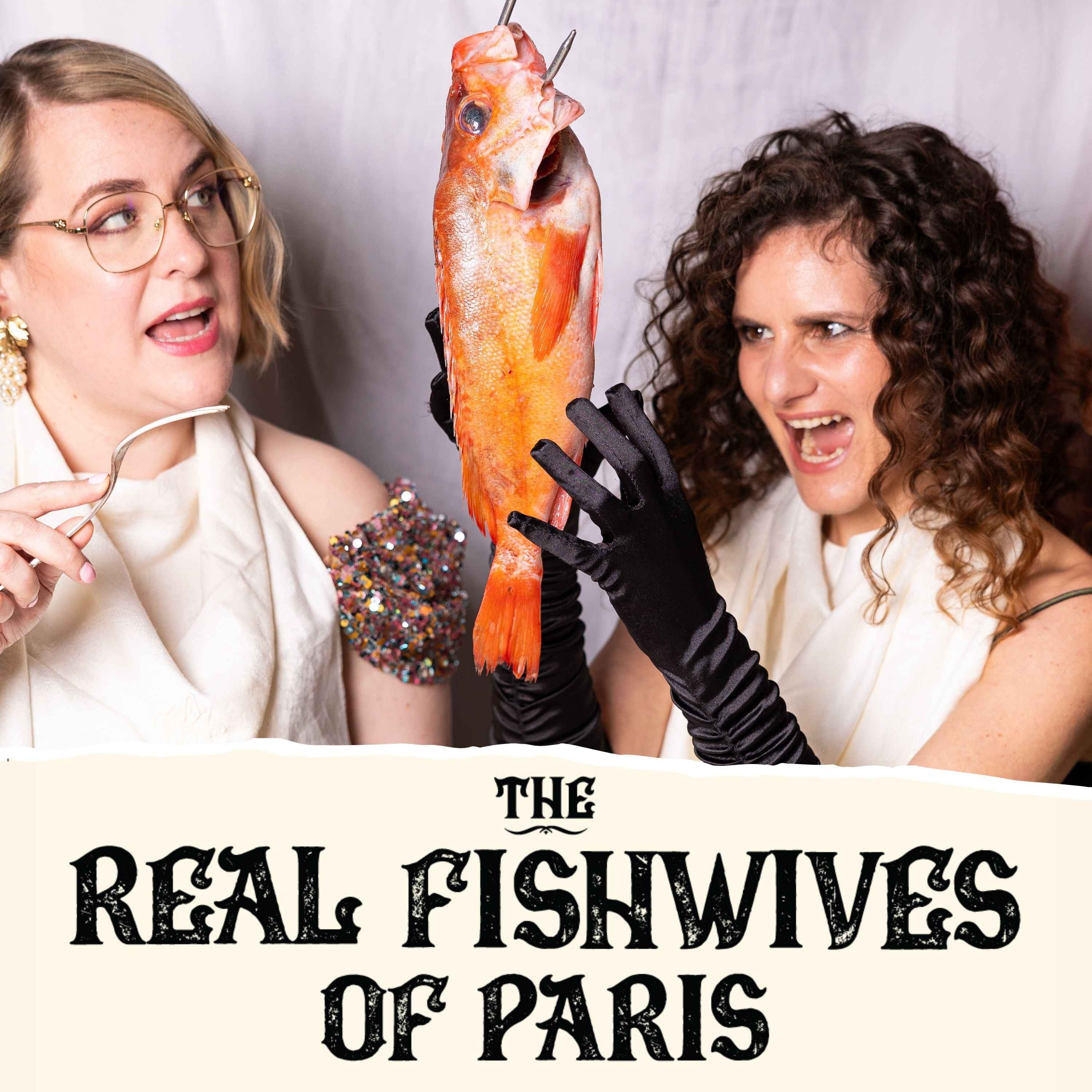
The Real Fishwives of Paris
Podcast Description
Flipping the table on French food mythology and serving the real stories behind your favorite cuisine, with culinary journalist Emily Monaco and wine expert Caroline Fazeli. Hosted on Acast. See acast.com/privacy for more information.
Podcast Insights
Content Themes
The podcast explores themes around French food traditions, wine education, and culinary history, with specific episodes diving into topics such as the real stories behind baguettes, the cultural significance of Bordeaux, and Lyon's unique gastronomy, all while debunking myths and adding bold storytelling.
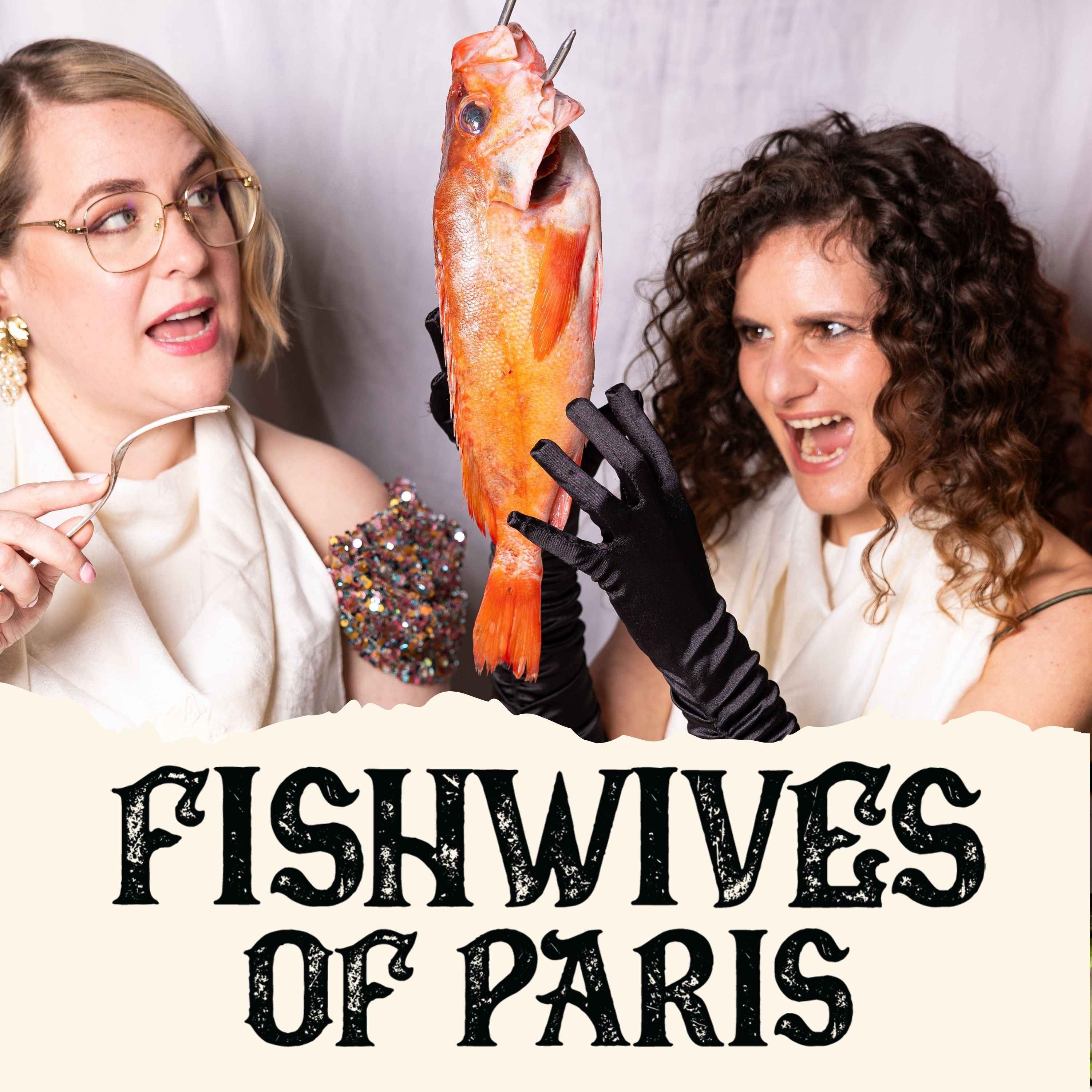
Flipping the table on French food mythology and serving the real stories behind your favorite cuisine, with culinary journalist Emily Monaco and wine expert Caroline Fazeli.
Want to watch us in 4k? Head over to https://youtube.com/@fishwivesofparis
Catherine de Medici gets credit for nearly every French culinary innovation, from macarons to the fork.
This episode brings in Florence based food and wine expert Coral Sisk to test those legends one by one. Caroline and Emily trace the real origins of macarons, gelato, choux pastry, duck a l’orange, and table manners, and separate what Catherine de Medici likely brought from Italy from what French pastry chefs invented centuries later.
Podcast Show Notes
In this episode:
• Why a French food podcast is covering a Florentine noblewoman
• The myth that macarons came from Catherine de Medici’s Italian court
• The chicken farmer legend behind the invention of Florentine gelato
• How gelato actually reached Paris a century later, via Sicilian immigrant Francesco Procopio dei Coltelli
• The invented pastry chef behind the cream puff legend
• Why the choux pastry technique still points to a real origin roughly 200 years later
• Duck a l’orange and its roots in Persian, Arab, and Florentine cooking
• The artichoke banquet story and the fat shaming Catherine faced as queen
• Why Catherine is remembered as either a villain or a visionary, depending on who is telling the story
• The fork myth, and how table manners, not objects, may be her real legacy
Key Takeaways
• Le macaron as a Parisian sandwich cookie was invented in Paris in the 19th century, not by Catherine de Medici.
• Gelato reached Paris around a century after Catherine arrived in France, brought by Sicilian immigrant Francesco Procopio dei Coltelli.
• The French recipe for pate a choux does not appear until roughly 200 years after Catherine’s arrival.
• The pastry chef character often named Pappalini, Pantanelli, or Pastarelli was likely invented by 19th century Lyonnais pastry chef Pierre Lacan.
• Duck a l’orange with a gastrique sauce was first published in a French recipe book in 1930.
• Forks existed in France before Catherine, but a fork per diner was not yet standard practice.
• Food historian Barbara Wheaton found no 16th century record of the entourage of cooks Catherine reportedly brought with her.
• Catherine was widely criticized and fat shamed during her lifetime, long before the culinary legends took shape after her death.
ABOUT CORAL SISK 
Coral Sisk is an Italian food expert, food writer, sommelier, and culinary tour guide based in Florence.
Coral’s Blog
https://thecuriousappetite.com/
Coral’s Tours
https://curiousappetitetravel.com/
Ernesto Drinks, Coral’s low ABV Negroni
https://www.instagram.com/ernesto.drinks/
• • • • • • • • • •
 ABOUT THE HOSTS
 Caroline Fazeli
Caroline is a French food and wine expert, WSET Diploma holder, former chef, and founder of Lyon Wine Tastings. She has spent nearly a decade helping visitors discover French food, wine, and culture.
 Instagram:
https://www.instagram.com/winedinecaroline
• • • • • • • • • •
 Emily Monaco
Emily is a culinary journalist, author, and longtime Paris resident whose work focuses on French food culture, history, and tradition.
Instagram:
https://www.instagram.com/emily_in_france
 Substack:
https://emilyinfrance.substack.com/
• • • • • • • • • •
 ABOUT FISHWIVES OF PARIS
Fishwives of Paris is a podcast about French food, wine, history, and gastronomy. Every episode uncovers the stories, myths, and surprising truths behind the foods and drinks that define France.
 This Episode was filmed in Paris, Lyon, and Florence.
Visit Caroline at Lyon Wine Tastings:
https://www.lyonwinetastings.com
Follow Fishwives of Paris:
Disclaimer
This podcast’s information is provided for general reference and was obtained from publicly accessible sources. The Podcast Collaborative neither produces nor verifies the content, accuracy, or suitability of this podcast. Views and opinions belong solely to the podcast creators and guests.
For a complete disclaimer, please see our Full Disclaimer on the archive page. The Podcast Collaborative bears no responsibility for the podcast’s themes, language, or overall content. Listener discretion is advised. Read our Terms of Use and Privacy Policy for more details.