The Dementia Collective

The Dementia Collective
Podcast Description
Caring for someone with dementia can feel overwhelming but you don’t have to do it alone. The Dementia Collective is a podcast for caregivers seeking real support and fresh ideas.
Hosted by Andrew Karesa, founder of blueBell Village, each episode features conversations with caregivers, clinicians, and innovators who bring practical insights, lived experience, and unexpected resources to light. Whether it’s navigating daily challenges, learning about emerging supports, or hearing stories from others on the journey, this podcast is here to help.
We’re here to walk alongside you
Podcast Insights
Content Themes
The podcast focuses on themes such as technology in dementia care, practical caregiving strategies, and emotional support for caregivers, with specific episodes like 'The Power of Tools & Technology in Dementia Care' highlighting innovations and personal stories from experts and caregivers alike.
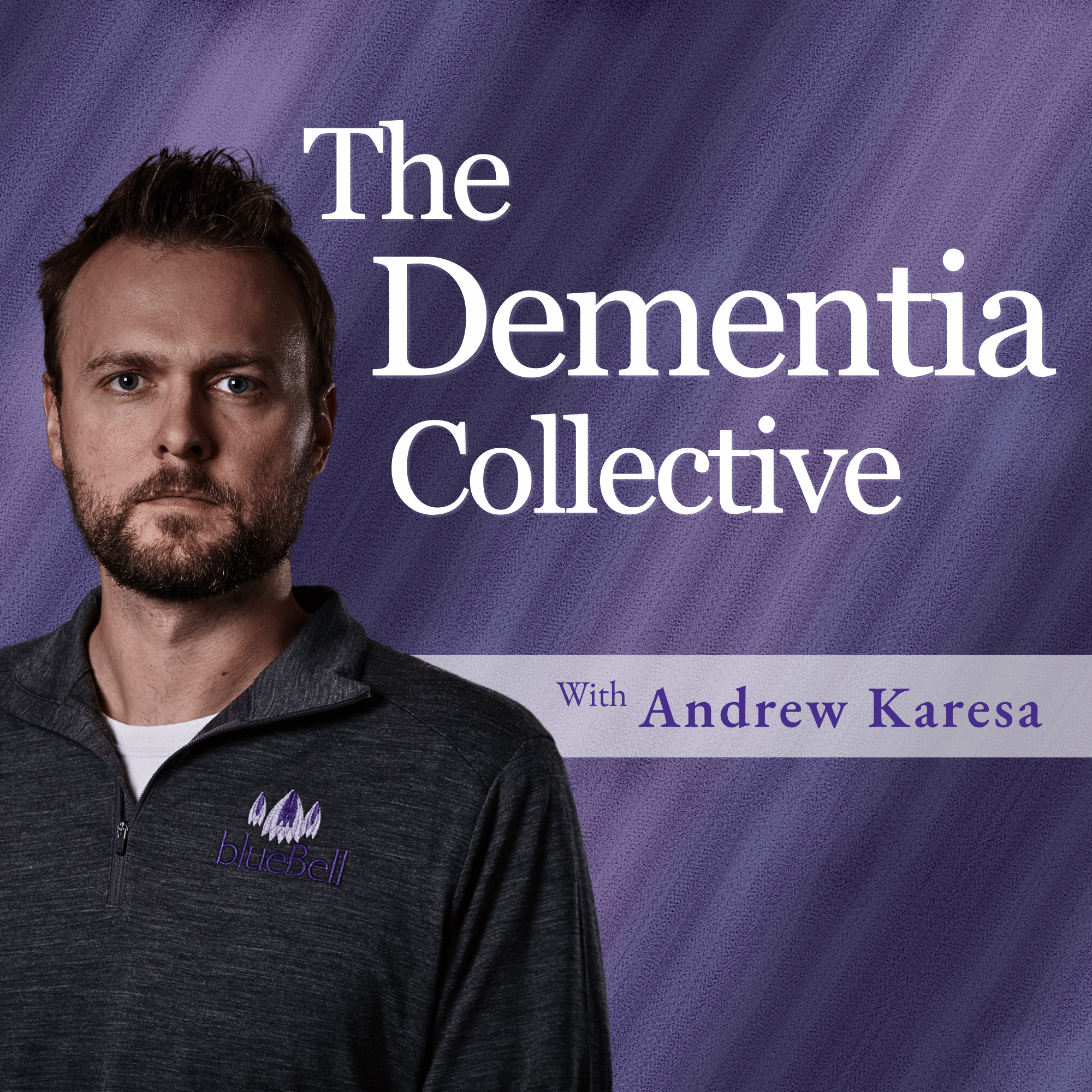
The Dementia Collective is a podcast hosted by Andrew Karesa, founder of blueBell Village, bringing together people living with dementia, caregivers, researchers, clinicians, and advocates from around the world.
We share incredible stories, tackle difficult questions, challenge stigma, and shine a light on what needs to change in dementia care. Some conversations are heartbreaking, others are inspiring, and there’s plenty of room for laughter along the way.
Because dementia is serious, that doesn’t mean every conversation about it has to be.
Whether you’re living with dementia, supporting someone you love, or simply wanting to better understand Alzheimer’s and other dementias, The Dementia Collective is here to inform, support, and remind you that you’re not alone.
When medical assistance in dying (MAiD) becomes an accepted form of healthcare, who ensures the safeguards are working, and what happens when something goes wrong?
In this episode of The Dementia Collective, Andrew Karesa sits down with Dr. Trudo Lemmens, Professor and Scholl Chair in Health Law and Policy at the University of Toronto, to examine Canada’s expanding MAiD system and the ethical, legal, and medical questions surrounding it.
Drawing on his experience as a member of Ontario’s MAiD Death Review Committee, Dr. Lemmens discusses how Canada legalized assisted dying in 2016, how eligibility has expanded, and why he believes the current system raises serious concerns about informed consent, physician accountability, and the protection of vulnerable Canadians.
Together, they explore the growing number of MAiD deaths in Canada, the challenges of obtaining informed consent from people living with dementia, and cases reviewed in Ontario that have raised questions about whether appropriate safeguards were followed. Andrew also challenges the oversight process, questioning why physicians performing an irreversible procedure appear to face limited consequences when concerns arise.
The conversation also examines the influence of organizations advocating for MAiD, potential conflicts of interest, and whether assisted dying has become normalized as a medical intervention rather than an exceptional end-of-life measure.
In this episode:
- How and why medical assistance in dying became legal in Canada
- How MAiD eligibility has expanded since 2016
- The ethical challenges of informed consent and dementia
- Why Dr. Lemmens questions Canada’s current MAiD safeguards
- The significant increase in MAiD deaths across Canada
- What Ontario’s MAiD Death Review Committee has revealed about concerning cases
- Who holds physicians accountable when MAiD procedures are questioned
- Potential conflicts of interest involving MAiD providers
- The influence and funding of organizations advocating for MAiD
- Why some Canadians seek MAiD because of loneliness, isolation, or feeling like a burden
- Whether MAiD has become normalized as a form of healthcare
- What Dr. Lemmens believes needs to change
This is a challenging conversation about medical ethics, informed consent, accountability, and what happens when the responsibility to care for patients intersects with the power to end their lives.
Learn more at:
https://www.bluebellvillage.ca
———
Join The Village and help shape conversations like this by submitting questions to our guests: https://www.patreon.com/cw/blueBellVillage
———
Disclaimer: This podcast is for general information only, not medical advice. Consult a qualified healthcare provider about your health. In an emergency, contact local emergency services. Guests’ views are their own and do not necessarily reflect those of Andrew Karesa or blueBell Village Ltd. Third-party references are for information only, not endorsements. You use this podcast at your own risk. Andrew Karesa, blueBell Village Ltd., and their team are not liable for any loss, injury, or damage arising from its use.

Disclaimer
This podcast’s information is provided for general reference and was obtained from publicly accessible sources. The Podcast Collaborative neither produces nor verifies the content, accuracy, or suitability of this podcast. Views and opinions belong solely to the podcast creators and guests.
For a complete disclaimer, please see our Full Disclaimer on the archive page. The Podcast Collaborative bears no responsibility for the podcast’s themes, language, or overall content. Listener discretion is advised. Read our Terms of Use and Privacy Policy for more details.