Self Disclosed
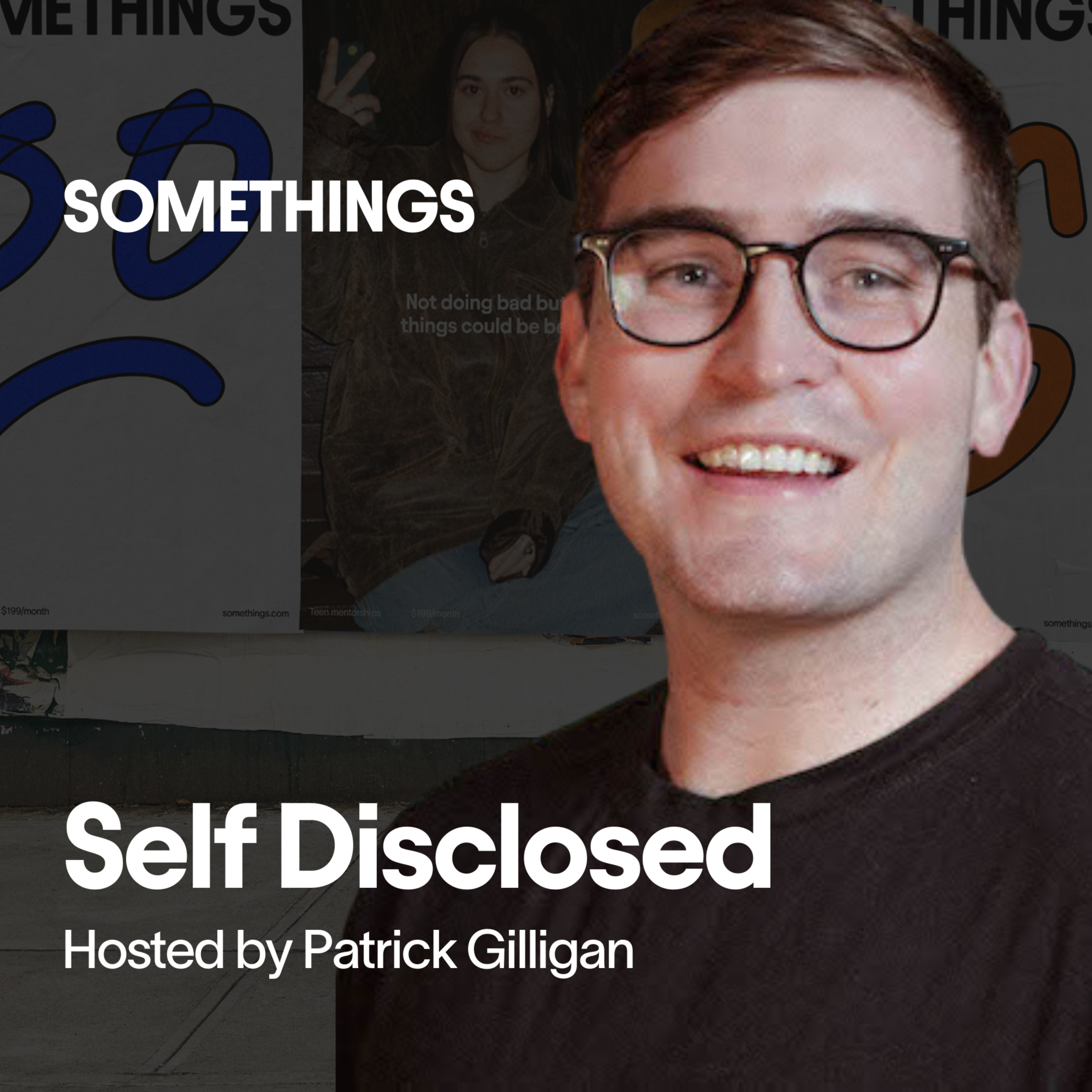
Self Disclosed
Podcast Description
Self Disclosed is a weekly podcast for Medicaid executives, clinical leaders, and anyone else tasked with the nearly impossible job of delivering better mental health outcomes for underserved youth — under budget, under pressure, and under public scrutiny.
Podcast Insights
Content Themes
The podcast explores themes of youth mental health, Medicaid reform, and innovative care models. Episodes feature topics such as North Carolina's $835 million mental health investment, strategies for addressing youth phone addiction, and the reimagining of foster care systems. Specific episodes dive into community-centered care, systemic reforms, and comparative analysis with other states.
Self Disclosed is a weekly podcast for Medicaid executives, clinical leaders, and anyone else tasked with the nearly impossible job of delivering better mental health outcomes for underserved youth — under budget, under pressure, and under public scrutiny.
What really moves the needle for transition-age youth (16–24)? It’s not another program list—it’s engagement. In this episode, Patrick sits down with Marc Fagan, President of YouthCare Illinois, to unpack a new playbook: put youth voice on the mic, design for discovery (not lectures), make peer support core infrastructure, and measure uptake instead of offerings.
Who this is for: Medicaid leaders, child-welfare teams, providers, school partners, policymakers, and anyone building youth programs that need to work in the real world.
You’ll learn:
- Why “listening” (for real) is the biggest shift since 2015
- How to win the first yes from the least-likely-to-engage population
- Where peer support and community fit alongside therapy
- How to design discovery-oriented care—healthy risk with real safety nets
- The role of virtual touchpoints, SDOH (jobs/school), and what to measure next
Chapters
00:00 Cold open — quick banter & setup
00:27 Who is Marc Fagan & what YouthCare does
01:08 Why Marc chose clinical psychology
01:57 Therapeutic schools: the power of relational work
03:10 From 1:1 therapy to systems design
04:13 Story: a student turns classroom chaos into graduation
06:26 Scaling impact beyond one campus
09:06 Thresholds highlights: youth homelessness program
10:27 Launching First Episode Psychosis care in Illinois
12:14 Why early intervention changes the arc
13:24 Then vs now: outcomes and accountability
14:39 What “transition-age youth” actually need (and don’t get)
16:06 2025’s biggest shift: youth voice leads
17:47 What teens keep telling us (and how adults should respond)
18:15 Discovery-oriented care: learning by doing, with guardrails
20:20 Design for exploration, not lectures
21:21 YouthCare’s population: youth with child-welfare histories
22:51 Virtual touchpoints & continuity across placements
24:00 Beyond therapy: groups, play/animal therapy, peer support
25:07 The pivot: from mostly clinical to mostly social
26:10 Multidisciplinary models that actually stick
27:02 The engagement problem—and how to solve it
28:04 Training staff to earn the first yes
29:10 Measuring what matters: uptake, not inventory
29:37 SDOH in practice: jobs, school, first opportunities
31:25 Early jobs and lessons (including a data-entry horror story)
33:01 Leadership: excitement, ownership, youth focus groups
34:40 Preventing burnout: celebrate small wins
38:05 The next 10–15 years: risk, policy, connection
40:07 Hopes for the future: faster access, shorter time in care
42:02 Biggest levers: tech plumbing + nontraditional care
44:11 Why relationships still beat everything
44:52 Showing up authentically (yes, there was a dance-off)
46:13 What keeps Marc optimistic
48:25 Where to learn more about YouthCare
49:14 One snap: immediate access + one committed adult
50:01 Closing
If this was useful, please like, subscribe, and share with someone building for youth.
If you or someone you know is in crisis, call or text 988 (U.S.).
Disclaimer
This podcast’s information is provided for general reference and was obtained from publicly accessible sources. The Podcast Collaborative neither produces nor verifies the content, accuracy, or suitability of this podcast. Views and opinions belong solely to the podcast creators and guests.
For a complete disclaimer, please see our Full Disclaimer on the archive page. The Podcast Collaborative bears no responsibility for the podcast’s themes, language, or overall content. Listener discretion is advised. Read our Terms of Use and Privacy Policy for more details.