The Soviet Life
The Soviet Life
Podcast Description
The Soviet Life is a podcast that brings the past to life through personal stories and honest conversations about everyday experiences behind the Iron Curtain. Hosted by Kate, who grew up in 1970s–80s Belarus, the show explores how people lived, loved, worked, and endured during the final decades of the USSR — and what followed after its collapse. Featuring voices from across the former Soviet republics, the West, and beyond, each episode bridges generations and cultures to uncover the human side of history. Whether you're a former citizen, a curious learner, or a student of the Cold War, The Soviet Life offers insight, connection, and a powerful reminder of our shared humanity.
Podcast Insights
Content Themes
The show explores themes of personal stories from Soviet life, cultural identity, and historical reflections, with episodes featuring topics like childhood memories in Soviet Moscow, the impact of the Soviet collapse on personal lives, and the challenges of preserving faith under a secular regime.
The Soviet Life is a podcast that brings the past to life through personal stories and honest conversations about everyday experiences behind the Iron Curtain. Hosted by Kate, who grew up in 1970s–80s Belarus, the show explores how people lived, loved, worked, and endured during the final decades of the USSR — and what followed after its collapse. Featuring voices from across the former Soviet republics, the West, and beyond, each episode bridges generations and cultures to uncover the human side of history. Whether you’re a former citizen, a curious learner, or a student of the Cold War, The Soviet Life offers insight, connection, and a powerful reminder of our shared humanity.
Episode Summary
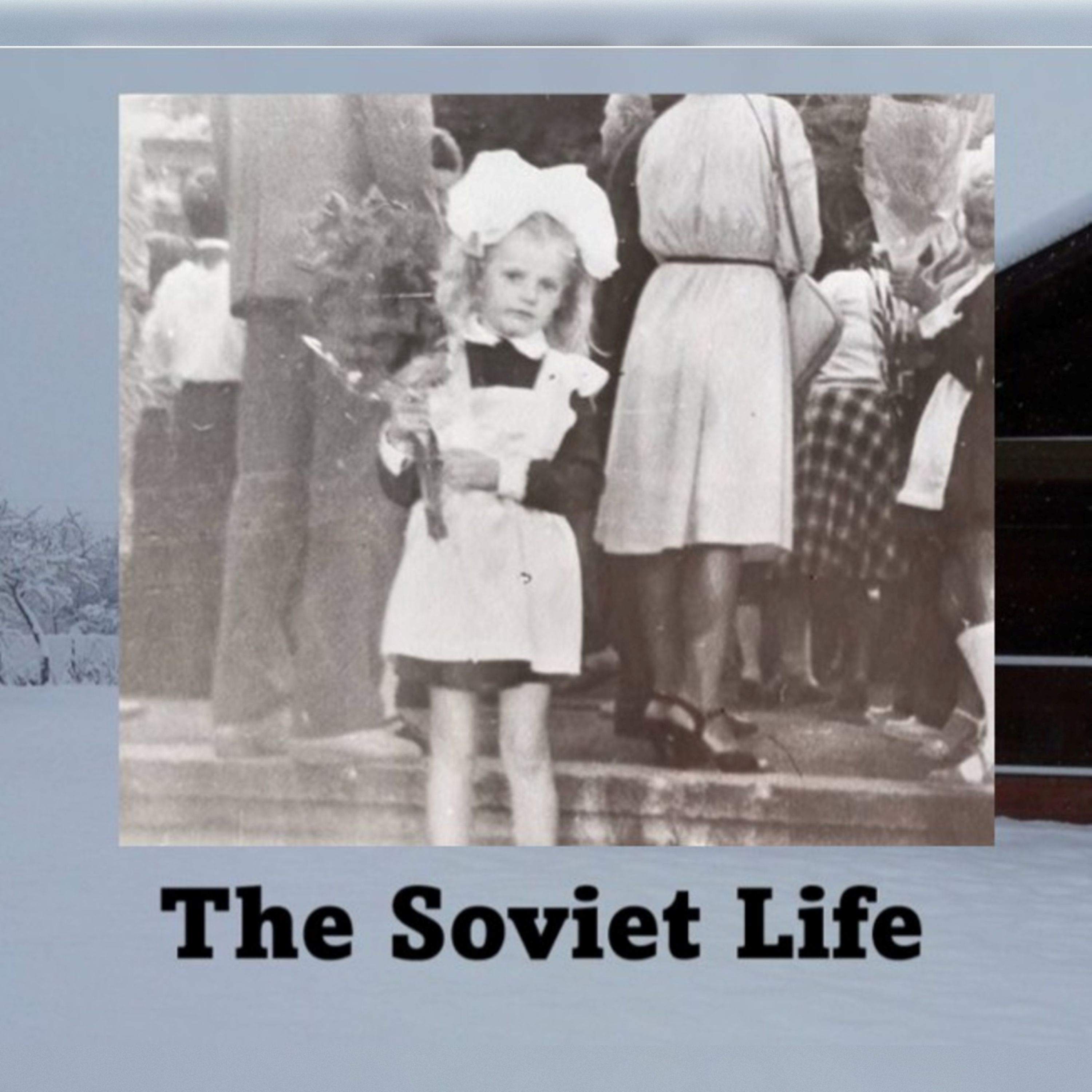
In this episode of The Soviet Life, Kate Saba explores the tradition of bringing flowers to teachers at the start of the school year in the Soviet Union. Through personal memories, family stories, and historical context, she reflects on the meaning behind the flowers, the symbolism of odd and even numbers, the First Bell ceremony, and the deep respect traditionally shown to teachers.
Kate also shares how she has carried this tradition into her own family in the United States, where her children brought flowers to their teachers even though their classmates did not. Their teachers’ reactions became a reminder that small gestures of gratitude can cross cultures and generations.
The episode also looks at how the tradition has changed over time while still preserving its central message: appreciation for teachers and the importance of education.
In this episode: Soviet school traditions, flowers and their cultural meaning, the First Bell, odd versus even numbers of flowers, teacher appreciation, family memories, and how traditions evolve when families move to a new country.
Sound Bites
- “You don’t give a living person an even number of flowers”
- “Odd numbers suggest continuation and life”
- “Flowers communicate respect and appreciation for teachers”
Chapters:
00:00 – The tradition of flowers and school
02:24 – Historical background
05:19 – The cultural meaning of flowers
08:40 – The First Bell and the new school year
10:16 – Flowers as a gesture of gratitude
12:22 – Odd and even numbers of flowers
17:35 – Teachers and the mountain of flowers
20:02 – Family memories and wedding story
26:11 – How the tradition has changed
30:14 – Reflections on culture, gratitude, and tradition
Have your own memories of bringing flowers to school? Kate would love to hear from you.
Disclaimer
This podcast’s information is provided for general reference and was obtained from publicly accessible sources. The Podcast Collaborative neither produces nor verifies the content, accuracy, or suitability of this podcast. Views and opinions belong solely to the podcast creators and guests.
For a complete disclaimer, please see our Full Disclaimer on the archive page. The Podcast Collaborative bears no responsibility for the podcast’s themes, language, or overall content. Listener discretion is advised. Read our Terms of Use and Privacy Policy for more details.