Lead Change

Lead Change
Podcast Description
On this podcast, we will share stories from physicians in various medical specialties and those in roles that support the advancement of medicine to understand the skills necessary to be an effective leader. We’ll celebrate their success and hear about strategies to overcome hurdles. We will also highlight some of the unique challenges faced by women in medicine who are interested in pursuing leadership positions and the importance of mentorship, sponsorship, and allyship in achieving and being successful in those roles.
Podcast Insights
Content Themes
The podcast delves into themes such as leadership in medicine, overcoming challenges in healthcare, and the unique obstacles faced by women aspiring to leadership roles. Episodes include discussions on mentorship, effective leadership traits, and strategies for women in medicine, exemplified by the first episode featuring Dr. Liz Matzkin, which explores the nuances of successful leadership styles and trust-building within teams.

On this podcast, we will share stories from physicians in various medical specialties and those in roles that support the advancement of medicine to understand the skills necessary to be an effective leader. We’ll celebrate their success and hear about strategies to overcome hurdles. We will also highlight some of the unique challenges faced by women in medicine who are interested in pursuing leadership positions and the importance of mentorship, sponsorship, and allyship in achieving and being successful in those roles.
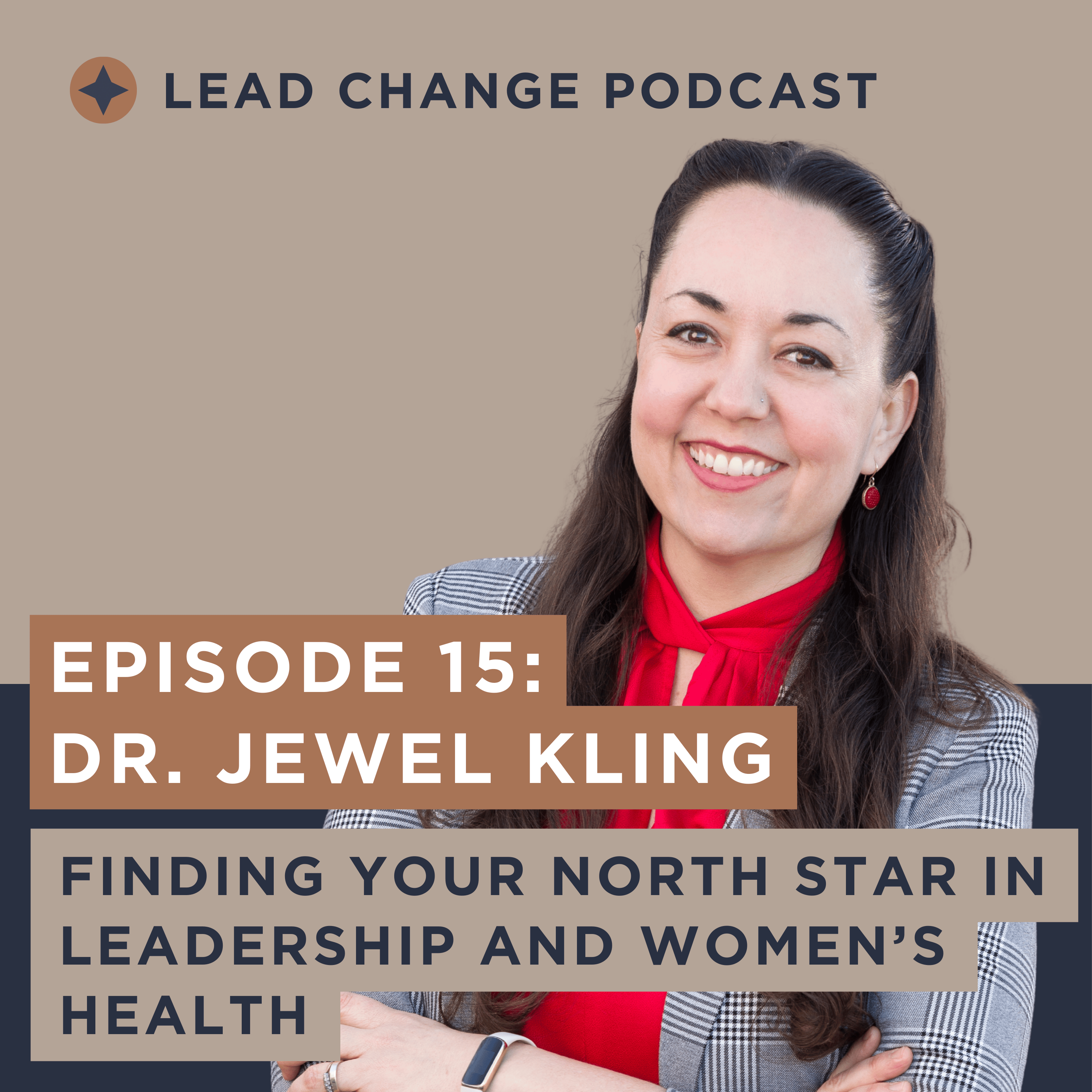
In this episode of the Lead Change Podcast, Dr. Mary Mulcahey interviews Dr. Jewel Kling, a national leader in women’s health, menopause, sex- and gender-based medicine, and medical education. Dr. Kling shares her leadership journey from early advocacy experiences shaped by her parents’ community work, to national leadership in the American Medical Student Association, to her current roles as Division Chair and Regional Dean at Mayo Clinic.
The conversation explores how identifying a personal “North Star” guides career decisions, why physicians are leaders regardless of title, and how mentorship and sponsorship create opportunities before individuals see themselves as ready.
Dr. Kling reflects on stepping into leadership during the COVID-19 pandemic, building innovative and community-engaged medical education programs, expanding clinical training opportunities, and preparing a diverse physician workforce that reflects the populations it serves.
They also discuss the energizing role of mission-aligned work, the importance of learning financial and operational skills through ELAM, and how advocacy, inclusion, and precision medicine intersect with the future of academic leadership.
Key Take-Home Points
Leadership & Career Development
- Physicians are leaders by default—title or not; our voices influence patients, teams, and communities.
- Say yes to opportunities before you feel ready; growth often precedes confidence.
- Mentorship opens doors; sponsorship pushes you through them.
- Mission-aligned work is energizing, not draining—it “fills your cup” and sustains long-term leadership.
Finding Your North Star
- A clearly defined personal purpose (“why”) guides decisions about which roles to accept or decline.
- Your North Star helps balance career advancement with meaningful impact, even when activities are not traditionally valued for promotion.
Advocacy as a Core Leadership Skill
- You do not need to belong to a group to advocate for it.
- Early involvement in policy and organized medicine builds transferable leadership skills.
- Advocacy expands impact beyond one-on-one patient care.
Education & Workforce Development
- Medical education must include community engagement, underserved care, and cultural understanding as core—not optional—experiences.
- Training physicians who reflect the populations they serve improves care and trust.
- Leadership in education requires intentional curriculum innovation, affiliate partnerships, and workforce planning.
Innovation & the Future of Medicine
- Academic leaders must be agile and adaptable, particularly post-COVID.
- AI, technology, and precision medicine demand both ethical frameworks and curricular integration.
- Sex- and gender-based research is essential for true precision medicine.
Personal Growth Through ELAM
- Leadership requires operational literacy (finance, systems, strategy) in addition to passion.
- Working with new teams in unfamiliar environments builds collaborative and adaptive leadership skills.
- Community among women leaders is a powerful source of renewal and perspective.
Disclaimer
This podcast’s information is provided for general reference and was obtained from publicly accessible sources. The Podcast Collaborative neither produces nor verifies the content, accuracy, or suitability of this podcast. Views and opinions belong solely to the podcast creators and guests.
For a complete disclaimer, please see our Full Disclaimer on the archive page. The Podcast Collaborative bears no responsibility for the podcast’s themes, language, or overall content. Listener discretion is advised. Read our Terms of Use and Privacy Policy for more details.