Ki to the City
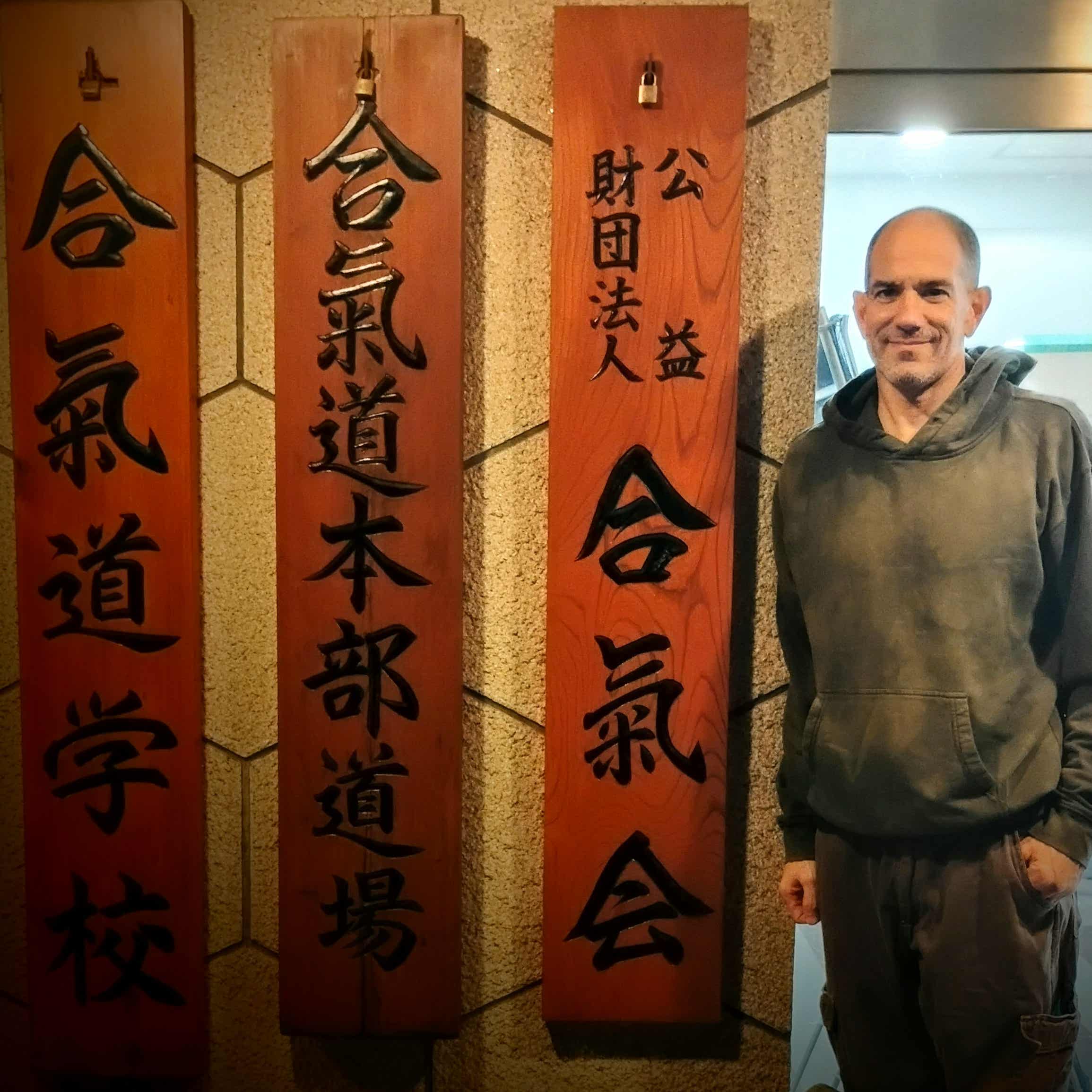
Ki to the City
Podcast Description
Exploring Aikido, philosophy and practice jondiluca.substack.com
Podcast Insights
Content Themes
The podcast explores themes such as the metaphysical aspects of Aikido, its historical roots, and the connection between martial arts and personal development. Topics addressed include the practice of Chinkon Kishin, the philosophy of O Sensei, and Aikido's role in promoting peace and harmony.
Exploring Aikido, philosophy and practice
Describing Josh Gold Sensei’s impact on the modern Budo landscape is no small task, and can’t be done justly in a social media episode “teaser” such as this.
He occupies a rare nexus of deep traditional lineage, perpetual technical fidelity, and faithful stewardship of cutting-edge martial arts media that continues to inform and connect practitioners across the globe.
As Chief Instructor, and co-founder of Ikazuchi Dojo in Irvine, California, his martial foundation has been honed through a 35-year deshi relationship with Haruo Matsuoka Sensei.
Before starting this podcast project, I wasn’t very familiar with many other Sensei outside my own real life every-day aiki-bubble. This commitment to Ki to the City has opened my eyes to a far vaster (more vast?) universe. Whenever I have a new guest on the show, I research their lineage to prepare. I’ve only glimpsed Matsuoka Sensei’s legacy and it’s incredibly impressive. I’m nowhere near qualified to write even a snippet of a biography for him, but if you listen to the episode, you’ll hear enough to want to look deeper on your own for sure.
At Ikazuchi Dojo, Josh Sensei is dedicated to promoting personal transformation through Aikido. Built on a commitment to preserve the heritage, traditions, and spirit of the art, he uses every resource available to innovate, refine, and elevate what it means to be a martial arts dojo in the 21st century.
Parallel to his dojo leadership, Josh Sensei serves as the Executive Editor of Aikido Journal. (aikidojournal.com.) This legendary publication, originally founded as Aiki News in 1974 by visionary martial arts historian Stanley Pranin sensei, houses a monumental half-century plus archive of interviews, historical documents, and technical research.
Shortly before his passing in 2017, Stan sensei handpicked Josh as his successor to safeguard and modernize this global treasure.
Keeping Aikido Journal thriving in the digital age (or whatever age we’re in now) is quite the heavy responsibility, but as he noted in our talk, it’s an essential service to the global Budo community—offering a portal to the historical origins and living evolution of the art.
During our conversation, Josh sensei articulated a perspective on Budo that hit deeply. He framed it as a “venue for character development”. Emphasizing that it’s optimized for personal growth, emotional maturity, and societal benefit. Genuine character cannot be absorbed wholly intellectually. One doesn’t build resilience or empathy by passively reading a thread or watching a clip. Character-building requires a physical, somatic venue—a space where we can encounter real friction, physical pressure, and emotional discomfort. Within limits, of course…
To turn his philosophical vision into a reality, Josh sensei partnered with Mark Tercek (former Partner at Goldman Sachs and CEO of The Nature Conservancy) in late 2019 to co-found Budo Accelerator, a 501(c)(3) educational non-profit.
Supported by an extraordinary board including martial artist, clinical psychologist, and previous guest (!) Ellis Amdur, Budo Accelerator bridges physical dojo training with accredited leadership and life-skills education.
While traditional martial arts training excels at forging physical discipline, emotional equanimity under pressure, and ethical integrity, Budo Accelerator creates the bridge required to translate those somatic reflexes into real-world academic and professional advancement—focusing on high school and collegiate students, particularly those from under-resourced backgrounds.
By the time this episode airs, Budo Accelerator will have reached an exhilarating milestone: After five years of testing and refining for over 1,000 students across Southern California—partnering with major institutions like UC Irvine—they are now kicking off their Budo Scholar program’s beta test of a nationwide program. With full national access coming in early 2027.
Budo Scholar operates through an innovative hybrid model: students continue (or begin) physical training at their local dojos while engaging in weekly online leadership modules centered on core concepts like empathy, courage, and non-violent de-escalation. Paired with real-world case studies from elite martial artists and practical exercises on and off the mat, students connect cross-country through digital cohort discussions.
Also, crucially, for young people who desperately want to train but cannot afford dojo tuition, Budo Accelerator provides full scholarships, paying local dojos directly so those students can step onto the mat.
By embedding accredited leadership pathways directly into local martial arts schools, Budo Scholar simultaneously equips the next generation with vital life skills while breathing youth, funding, and long-term vitality back into dojos
For full details click here: budoaccelerator.org/blog/what-we-have-been-building
In East Harlem, right outside my dojo window, I see firsthand the immense need for programs like this. Many young people in the neighborhood would thrive with the discipline, focus, and 4-dimensional exercise of Aikido if given the chance. I’m eager to explore how I can personally get involved with Budo Scholar and bring these scholarship pathways into my own community.
If you’re a dojo owner or instructor and you’d like to host scholars, click this link to find out how: budoaccelerator.org/partners
This talk with Josh Sensei definitely gave me an enormous surge of hope.
Many of us worry about aging demographics, declining youth enrollment, and the insularity of “traditional” martial arts. Budo Scholar completely flips that script. It gives teenagers and young adults promising reasons to keep training, while infusing fresh energy, vibrant youth, and financial support into dojos nationwide.
The future of Aikido is not about clinging to dogma or retreating into isolation; it’s about building authentic human connections and extending the vital medicine to the next generation(s).
The present is in good hands.
Aaaaand…
I’m deeply grateful to my (surprisingly) global audience for keeping these dialogues alive.
Extra special thanks to Aiki Extensions for their continual support of this podcast.
Aiki Extensions is a 501(c)(3) non-profit dedicated to taking Aikido off the mat through grassroots Seed Grants for community peacemaking, outreach, and trauma recovery.
Learn more or apply for a grant at aikiextensions.org.
If you draw inspiration from these weekly conversations, please consider signing up to be a paid subscriber on our Substack.
And don’t forget to check out the brand new Bookstore!!!
Get full access to Ki to the City at kitothecity.substack.com/subscribe
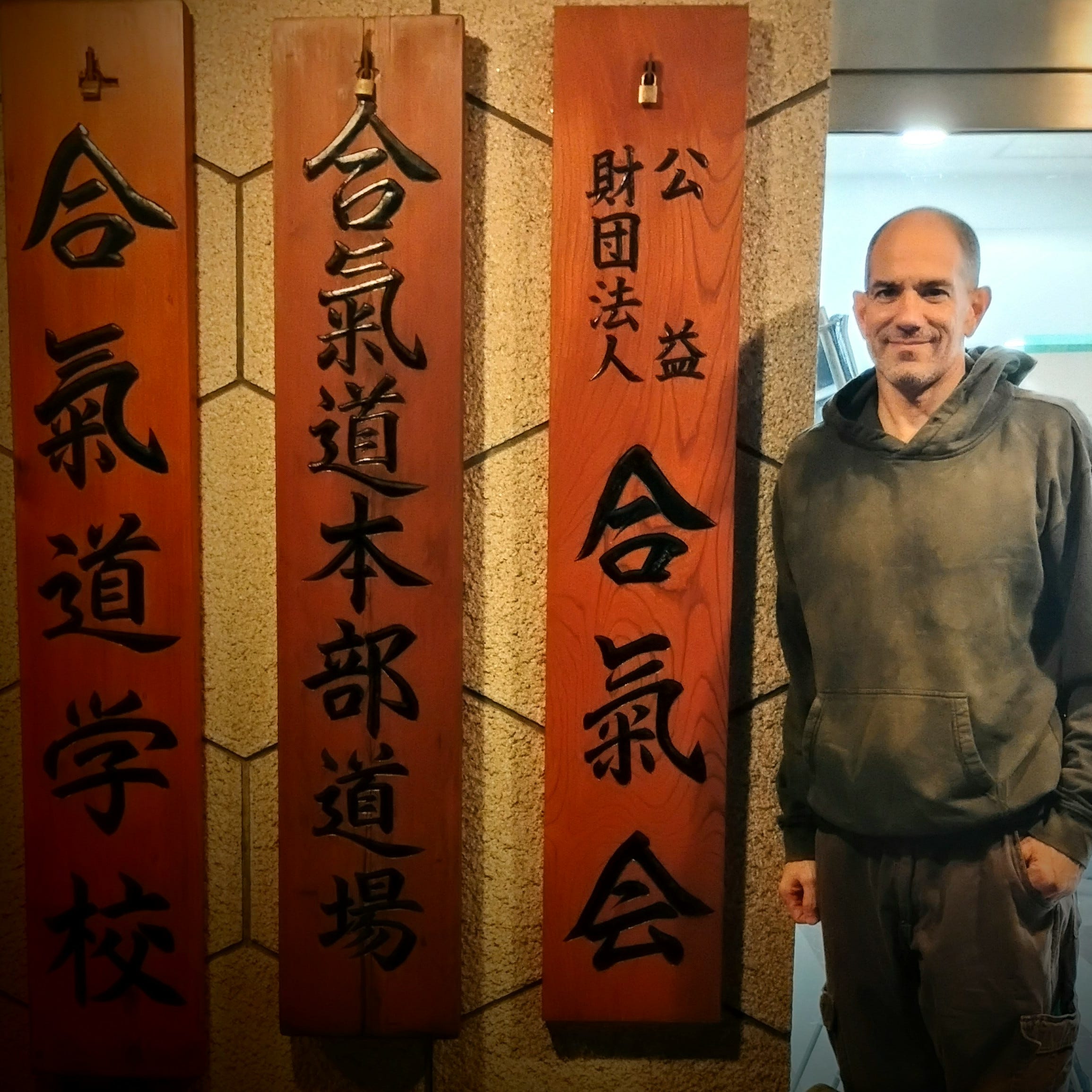
Disclaimer
This podcast’s information is provided for general reference and was obtained from publicly accessible sources. The Podcast Collaborative neither produces nor verifies the content, accuracy, or suitability of this podcast. Views and opinions belong solely to the podcast creators and guests.
For a complete disclaimer, please see our Full Disclaimer on the archive page. The Podcast Collaborative bears no responsibility for the podcast’s themes, language, or overall content. Listener discretion is advised. Read our Terms of Use and Privacy Policy for more details.