Reality Check with Élena
Podcast Description
Our new podcast explores the realities that lead to informality: a notion represented by reduction of the middle class, and spread of insecurity, through a series of dynamic on-the-ground interviews in Europe, the US, and the Global south. You will hear what informality is really like, from people who have lived in it all their lives; from those who have escaped it and risen to middle class; and others who have fallen into it. We invite global intellectuals, along with journalists, policy makers, and investors to share their views on what is informality and why we must tackle it now.
Podcast Insights
Content Themes
Explores the complexities of informality, focusing on themes such as the shrinking middle class, economic insecurity, and social dynamics across episodes that include guest insights on topics like the effect of informality on elections and the housing crisis.
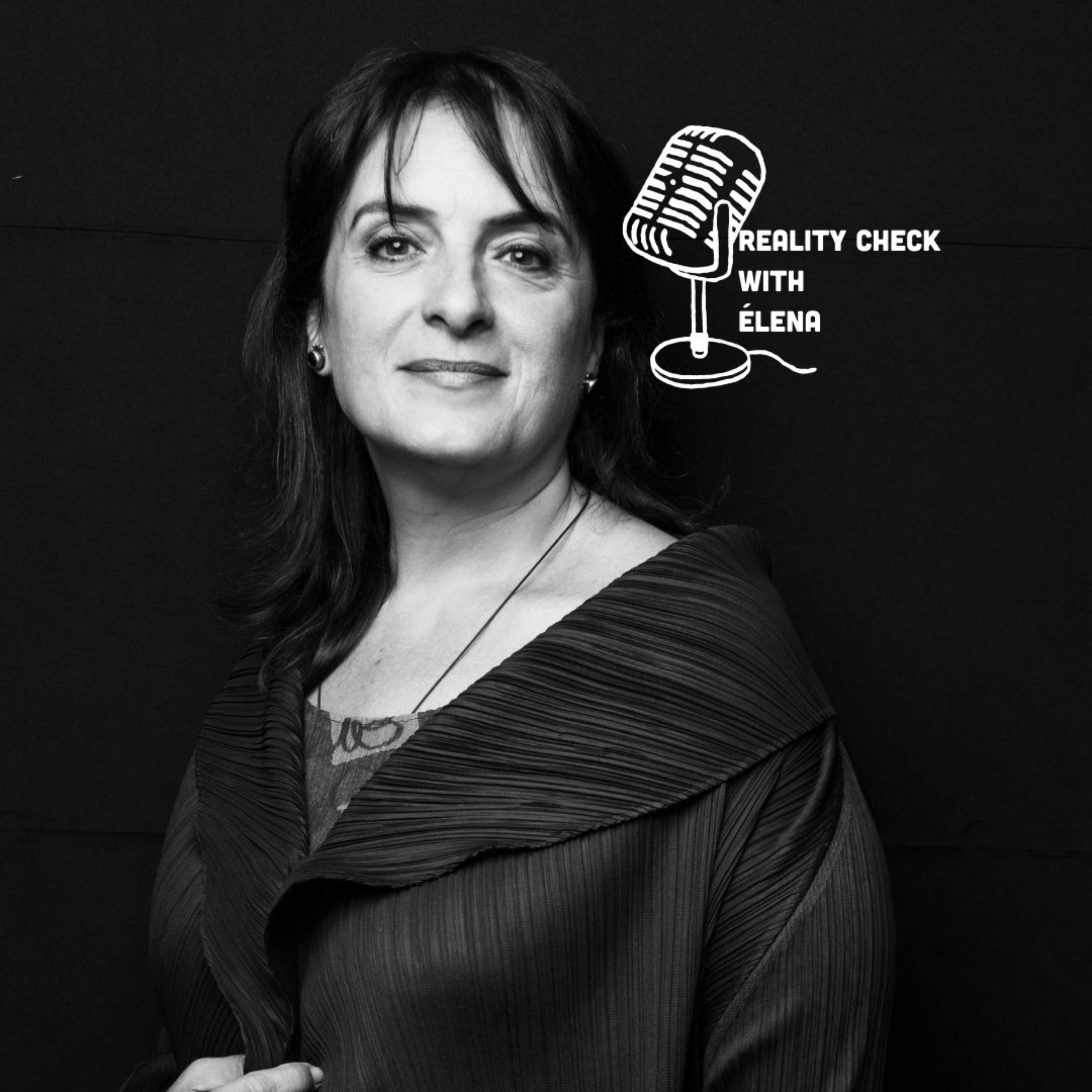
Our new podcast explores the realities that lead to informality: a notion represented by reduction of the middle class, and spread of insecurity, through a series of dynamic on-the-ground interviews in Europe, the US, and the Global south. You will hear what informality is really like, from people who have lived in it all their lives; from those who have escaped it and risen to middle class; and others who have fallen into it. We invite global intellectuals, along with journalists, policy makers, and investors to share their views on what is informality and why we must tackle it now.
In Tunis this time, Élena sits with economist and former Peruvian Prime Minister Mercedes Aráoz to explore how Peru transformed from a country plagued by hyperinflation, terrorism, debt, and widespread poverty into a more open and dynamic market economy. Aráoz explains how reforms in the 1990s strengthened property rights, expanded economic freedom, opened Peru to global trade, and created new opportunities for entrepreneurs and ordinary families. They discuss the dramatic reduction in poverty, the growth of agriculture and exports, the challenges of informality and excessive regulation, and why secure property rights, effective courts, and strong public services are essential to building lasting prosperity. At the heart of the conversation is a powerful idea: freedom means having the legal and economic ability to decide what to do with your own life.
-Time Stamps-
0:00 – Why Property Rights Are the Foundation of Economic Freedom
1:00 – Peru in 1990 vs. Peru Today
1:15 – The Economic Reforms That Changed Peru
2:35 – Hyperinflation, Terrorism & the “Lost Decade” of the 1980s
3:15 – How Peru Shifted Toward a Market Economy
3:50 – From 63% Poverty to Around 20%
4:20 – Free Trade, Agriculture & Peru’s New Export Economy
5:20 – Can Developing Countries Reduce Inequality Through Reform?
5:45 – Why Property Rights and the Judiciary Matter
6:10 – Informality: Why So Much of the World’s Economy Is Outside the System
7:00 – “Don’t Keep Me Sustainably Small”
7:30 – Why Entrepreneurs Need Opportunity, Not Excessive Regulation
8:15 – Venezuelan Migration, Opportunity & Economic Contribution
8:45 – Property Rights as the Foundation of Freedom
9:00 – How Regulation and Rigid Labor Markets Create Informality
9:40 – Democracy, Freedom & Peru’s Future
10:20 – Final Thoughts: Building a Country Around Opportunity
Learn more, donate, and join our movement at t4action.org
Disclaimer
This podcast’s information is provided for general reference and was obtained from publicly accessible sources. The Podcast Collaborative neither produces nor verifies the content, accuracy, or suitability of this podcast. Views and opinions belong solely to the podcast creators and guests.
For a complete disclaimer, please see our Full Disclaimer on the archive page. The Podcast Collaborative bears no responsibility for the podcast’s themes, language, or overall content. Listener discretion is advised. Read our Terms of Use and Privacy Policy for more details.