The Insight is Capital™ Podcast
The Insight is Capital™ Podcast
Podcast Description
This is The Insight is Capital Podcast, AdvisorAnalyst.com’s fireside chats with fascinating people in finance to discuss their insights on life, markets, macro, investment strategy, and and much more.
Podcast Insights
Content Themes
The podcast covers a variety of finance-related topics including ETF innovations, investment strategies, macroeconomic insights, and the impact of regulatory changes. For instance, episodes feature discussions on the booming Canadian ETF market, the significance of India's digital revolution, and the shifts in portfolio construction amidst economic uncertainties.
This is The Insight is Capital Podcast, AdvisorAnalyst.com’s fireside chats with fascinating people in finance to discuss their insights on life, markets, macro, investment strategy, and and much more.
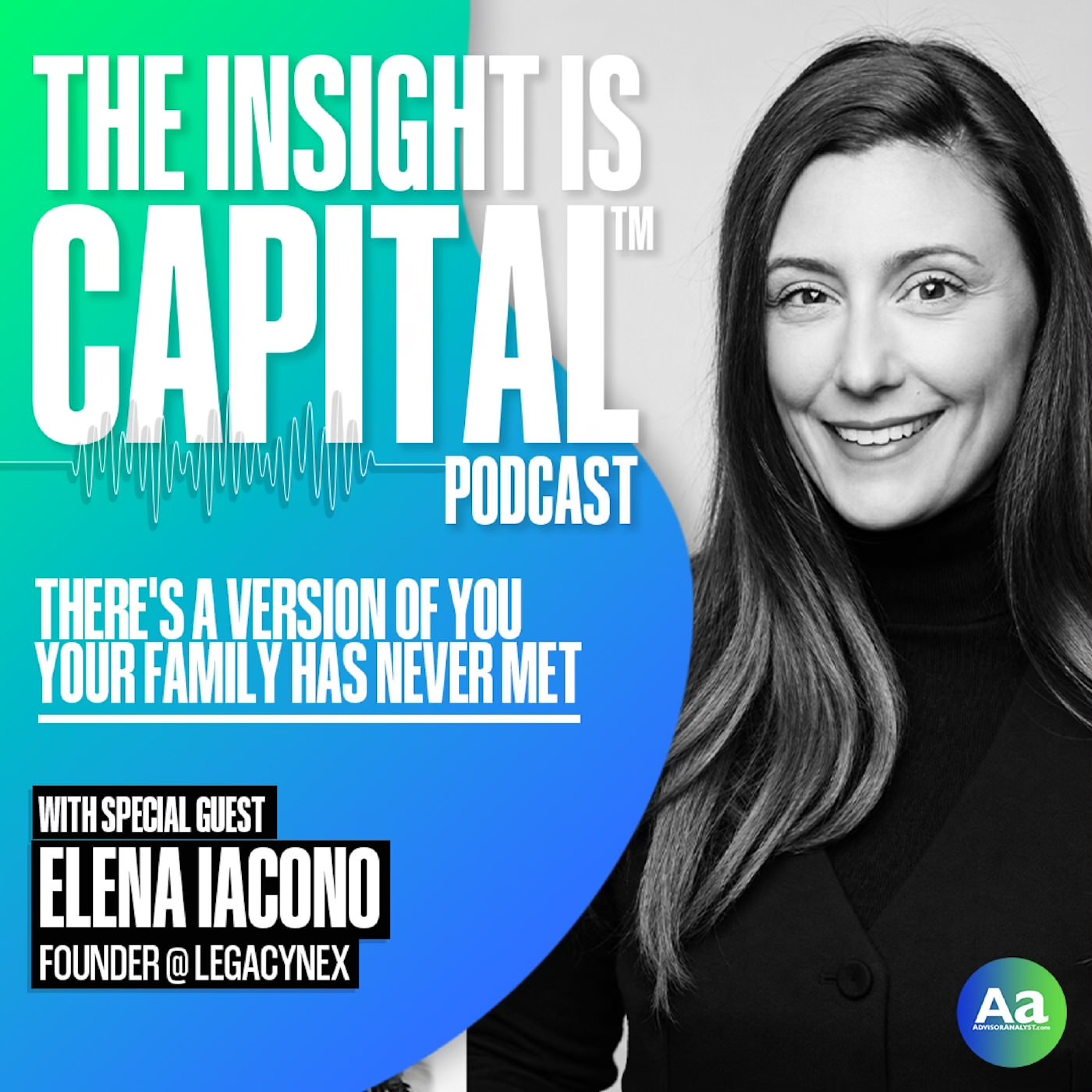
There’s a version of you your family has never met — and the only way they ever will is if someone asks the right question.
In this episode of Insight Is Capital, host Pierre Daillie sits down with Elena Iacono, founder of LegacyNex, to explore one of the most overlooked dimensions of wealth planning: the stories, wisdom, and hard-won insights that no will, no estate document, and no photo album can hold. Elena calls it human inheritance — the living record of who a person truly is, captured while clarity is still within reach. What begins as a deeply personal conversation about loss becomes a compelling case for why the most valuable thing any of us can leave behind has nothing to do with money.
Chapters
0:00 — Opening: The version of you your family has never met
1:30 — Introducing Elena Iacono and LegacyNex
2:00 — Elena’s origin story: the loss of her father and the search through his drawers
5:30 — What is “human inheritance”? Unpacking the concept
9:30 — Parents as people: why we never ask the questions that matter most
11:00 — Gloria Steinem, storytelling, and the power of a recorded voice
13:30 — Who Elena’s clients are — and what they discover
17:00 — What families hear that they never knew before
22:30 — How financial advisors are using LegacyNex with clients
28:30 — The halo effect: generational impact and legacy across time
31:00 — What Elena wishes someone had told her at 25
Where to find Elena and LegacyNex:
Elena Iacono on Linkedin
#LegacyNex #HumanInheritance #InsightIsCapital #LegacyPlanning #FamilyLegacy #WealthManagement #FinancialAdvisors #LifeStories #EstatePlanning #Storytelling #IntergenerationalWealth #PierreDaillie #ElenaIacono #FamilyHistory #MeaningfulWealth #AdvisorLife #WealthBeyondMoney #CanadianFinance #LegacyCapture #PurposefulLiving
Disclaimer
This podcast’s information is provided for general reference and was obtained from publicly accessible sources. The Podcast Collaborative neither produces nor verifies the content, accuracy, or suitability of this podcast. Views and opinions belong solely to the podcast creators and guests.
For a complete disclaimer, please see our Full Disclaimer on the archive page. The Podcast Collaborative bears no responsibility for the podcast’s themes, language, or overall content. Listener discretion is advised. Read our Terms of Use and Privacy Policy for more details.