Enchoris Podcast
Enchoris Podcast
Podcast Description
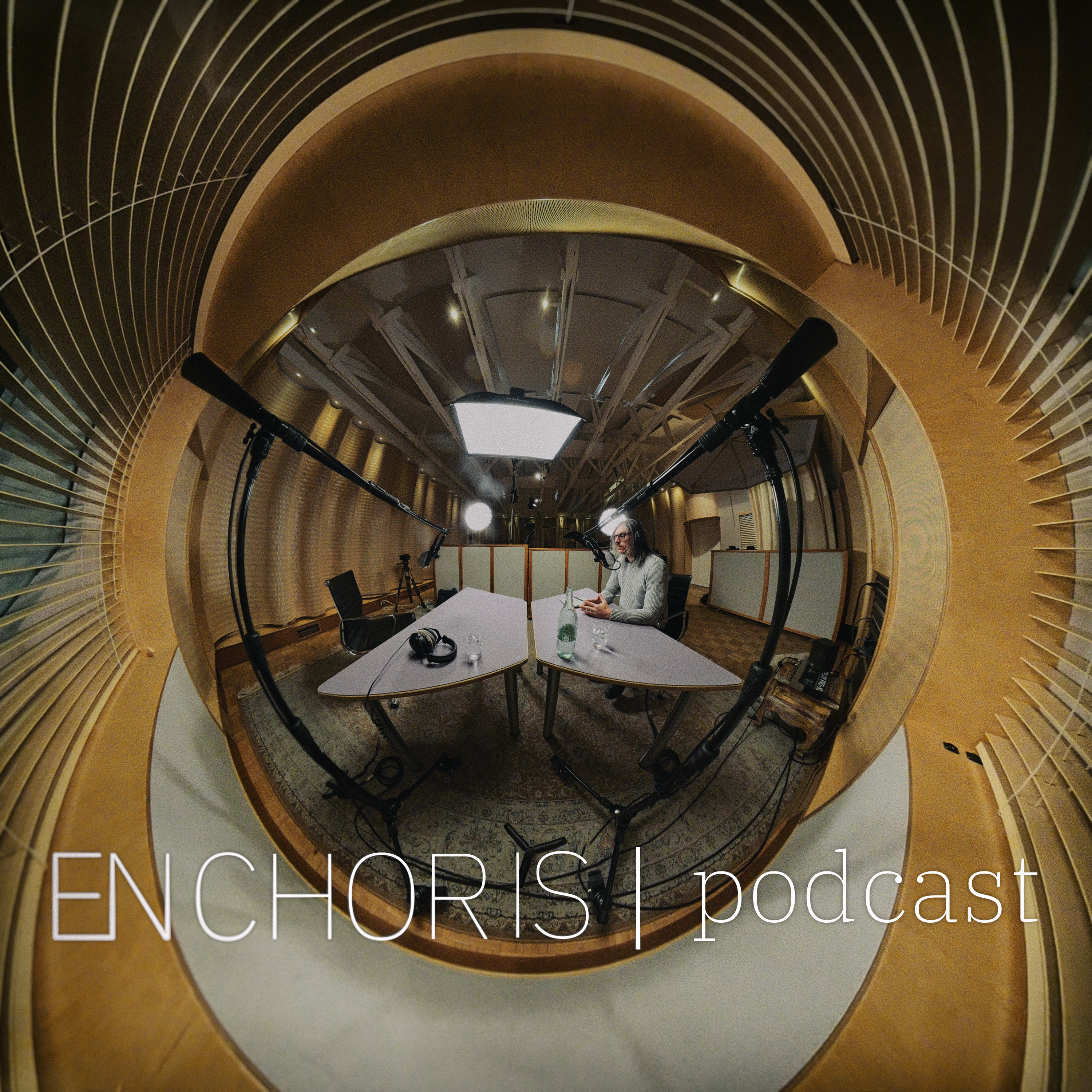
Welcome to the Enchoris Podcast. A series of in-depth conversations with actors from the European Cultural and Creative Industry Landscape. Hosted by Elias Ntais, the CEO of Enchoris, this monthly podcast provides insights to the challenges the Arts Sector is facing and a system thinking approach to analysing and solving them. A knowledge sharing oriented discussion with Cultural Leaders offering access to creative Cultural Management approaches and solutions.
Podcast Insights
Content Themes
This podcast explores themes related to the challenges within the arts sector, specifically focusing on issues such as the struggles of music venues in Europe, the impact of inflation and bureaucracy, and the role of cultural spaces in enhancing community life. For example, Episode 1 with Christof Schreckenberg delves into key findings from a study analyzing existential threats to music venues post-pandemic.
Welcome to the Enchoris Podcast. A series of in-depth conversations with actors from the European Cultural and Creative Industry Landscape. Hosted by Elias Ntais, the CEO of Enchoris, this monthly podcast provides insights to the challenges the Arts Sector is facing and a system thinking approach to analysing and solving them. A knowledge sharing oriented discussion with Cultural Leaders offering access to creative Cultural Management approaches and solutions.
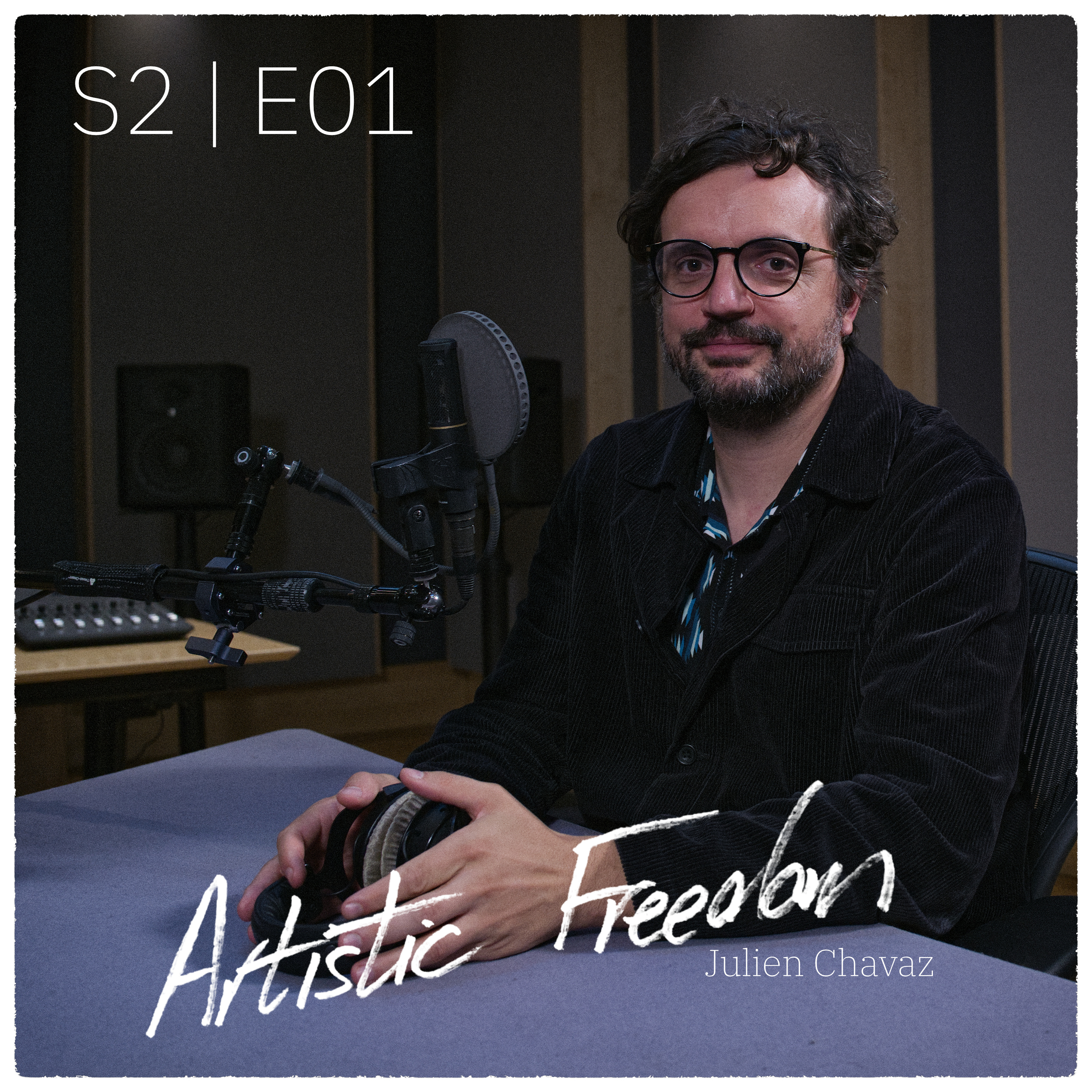
In the first episode of season two we talk to Julien Chavaz, Generalintendant and Operndirektor of Theater Magdeburg and, from 2028/29, Intendant of the Aalto-Theater and the Essener Philharmoniker.
He was in Seoul, directing Peter Grimes for Korea National Opera, when the phone call about Essen came. This is a conversation about the journey that made that call possible: the agricultural sciences degree before the dramaturgy, the years assisting across Europe, the small company in Fribourg, and what changes when you take on a house of 440 people where many of them are better than you at their own job.
He discussed what an Intendant should do when he arrives at a theatre and how to respect his predecessors work and decisions. In his words ”you arrive at a house that existed 150 years before you and will exist 150 years after, and your job is to pass the torch on”.
It is also about what a theatre owes the city around it. Football chants on the opera house steps, a play built from the rise of a band out of a Sachsen-Anhalt village, the Wintermärchen that carries the financial year.
Julien Chavaz talks about his craft. What opera directing physically is — standing in front of sixty people and making an idea land with your arms and your face. How much a story can be told without text, with Tatiana's letter scene in Tchaikovsky’s famous opera Eugene Onegin as the worked example. Why he designs from colour and rings his costume designer before anyone else. And the economics behind it: what commissioning a new opera actually costs in years, why co-production is the method he will carry into Essen, and why a chorus contract is often a better living than a solo career.
On 20 December 2024 he was at an opera in Madrid when a car was driven into the Magdeburg Christmas market; he describes the interval, the missed calls, and the flight the next morning. The theatre went on to commission Wunde Stadt, a play about the attack, and he sets out the argument for making work from an event rather than staying silent about it.
And then the election. Two weeks before this recording Sachsen-Anhalt voted, and he talks about what he expects: not open censorship, which would be unconstitutional, but interference — and his own question to anyone proposing to restrict artistic freedom and what a theatre may show, which is who exactly they imagine will come and stage it.
Disclaimer
This podcast’s information is provided for general reference and was obtained from publicly accessible sources. The Podcast Collaborative neither produces nor verifies the content, accuracy, or suitability of this podcast. Views and opinions belong solely to the podcast creators and guests.
For a complete disclaimer, please see our Full Disclaimer on the archive page. The Podcast Collaborative bears no responsibility for the podcast’s themes, language, or overall content. Listener discretion is advised. Read our Terms of Use and Privacy Policy for more details.