The Self Careapist Therapist Podcast

The Self Careapist Therapist Podcast
Podcast Description
Are you curious about what happens behind closed doors in therapy sessions? The Self Care*apist podcast pulls back the curtain on the therapeutic process, offering valuable insights for both mental health professionals and anyone interested in the human condition. Each episode features in-depth interviews with expert therapists who share their specialized approaches, techniques, and wisdom gained from years of clinical practice.The Self Care*apist podcast serves as a unique professional development resource for therapy interns and clinicians at all experience levels while also providing powerful healing insights for listeners navigating their own mental health journeys. By exploring the nuanced work of EMDR consultants, trauma specialists, and perinatal mental health experts, this podcast creates a rare opportunity to witness therapeutic approaches that are typically hidden from view. Hosted at lorainmoorehead.com
Podcast Insights
Content Themes
The podcast focuses on various mental health topics, including Dialectical Behavior Therapy (DBT), trauma-informed care, and innovative therapeutic approaches. For instance, episodes feature in-depth discussions with experts like Dr. Kiki Fehling on DBT's relevance for LGBTQIA+ communities, as well as insights into Traumaplay therapy with Paris Goodyear-Brown, showcasing how therapeutic relationships can foster healing for children and caregivers.
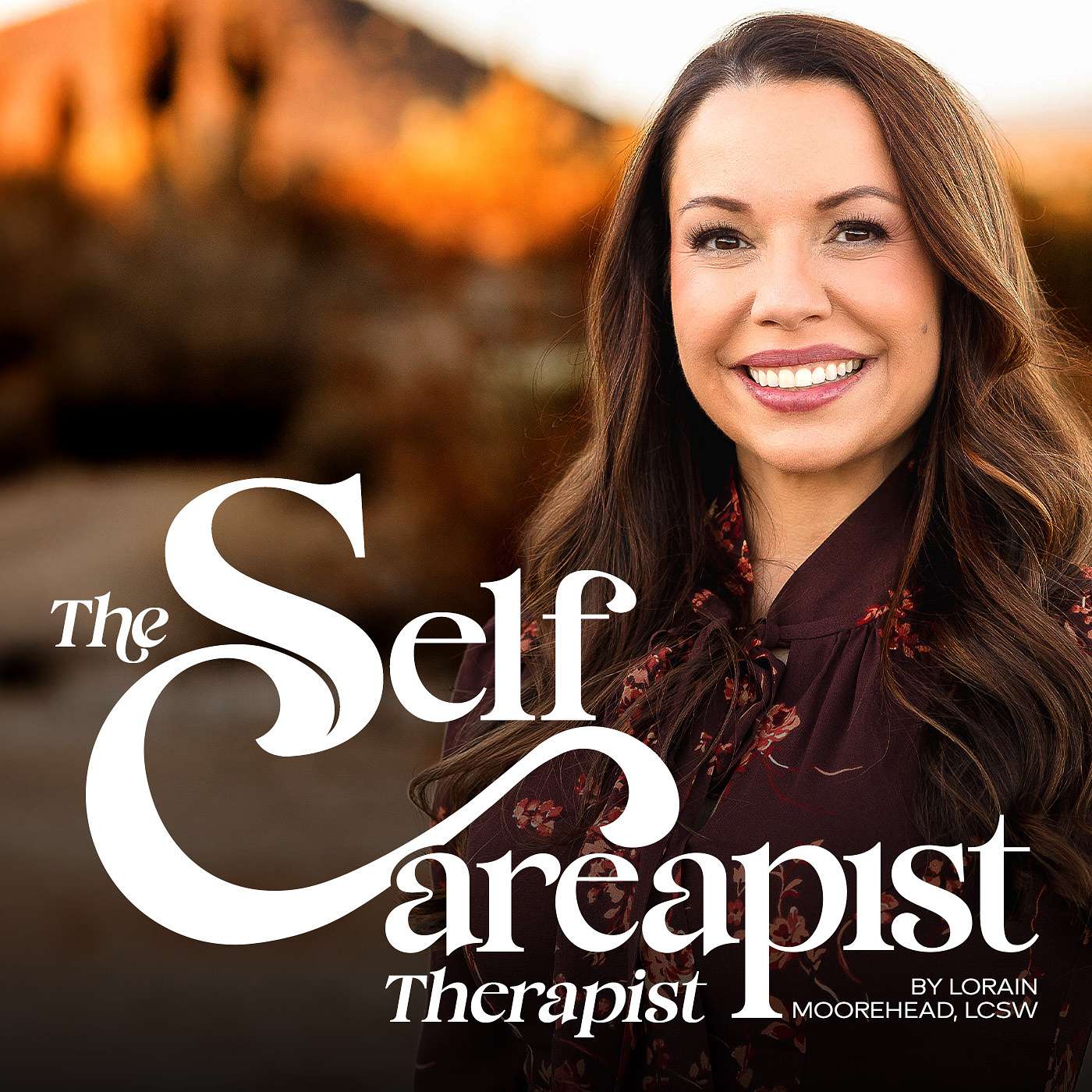
The Self Careapist Therapist is a therapist-to-therapist podcast with guests who cover practical clinical skills, evidence-based training, and sustainable self-care for mental health professionals. If you’re a therapist, counselor, psychologist, social worker, or researcher looking for real continuing education you can use in your next session, look no further.
Hosted by Lorain Moorehead, LCSW, PMH-C, EMDR Certified Consultant, Clinical Supervisor, and graduate school faculty associate, each episode offers conversations and training on trauma therapy, evidence-based interventions, mental health conditions, and specialty populations from EMDR, DBT, and CBT to attachment, professional ethics, and advancing and adapting to changing regulations.
Topics include:
- EMDR therapy, trauma therapy, and cognitive behavioral therapy
- Clinical supervision, therapist training, and professional development
- Perinatal mental health and neurodivergent-affirming practice
- Counseling techniques for real clinical decision-making and case conceptualization
- Therapist burnout, therapist self-care, and building a sustainable private practice
Questions We Answer:
- What are the best podcasts by therapists, for therapists?
- How do other therapists aconceptualize tough cases?
- How do I choose which therapy modality to learn next?
- How do I use CBT/DBT/EMDR/ACT/IFS/trauma work in real-life sessions?
- How do I explain therapy concepts to clients in simple language?
- How do other therapists handle burnout and compassion fatigue?
- How do therapists cope with imposter syndrome and self-doubt?
- How do I grow as a therapist after grad school or licensure?
- How do I find my niche or specialty as a clinician?
- How do I make my practice more trauma-informed and socially aware?
- How do I integrate different modalities instead of feeling like I’m doing them “wrong”?
- What is the difference between EMDR and ART?
- What is an evidenced-based therapy I could learn?
Whether you’re a seasoned therapist or a graduate student, The Self Careapist Therapist inspires continued learning, creativity, and meaningful work without burning out. Conference-level education and psych journal–quality conversations delivered while you’re organizing, driving, or taking a self-care walk.
Many episodes offer a free CEU for licensure in Arizona through The Board of Behavioral Health Examiners.
What if perfectionism has nothing to do with wanting things done well? Dr. Paul L. Hewitt, Full Professor of Psychology at the University of British Columbia, researcher, and co-author of Perfectionism: A Relational Approach to Conceptualization, Assessment, and Treatment, joins the podcast to reframe perfectionism as a deeply relational personality style born out of unmet attachment needs. This conversation covers the development of perfectionism through early relational asynchrony, how it functions differently from conscientiousness or high standards, what Dynamic-Relational Therapy for Perfectionism looks like in practice, and what clinicians should know about the depth of pain underneath a high-functioning exterior. The episode also covers new research on how perfectionism in therapists affects the therapeutic alliance.
0:00 – Intro and Dr. Hewitt's background
0:54 – How a dentist's waiting room started a research career
2:30 – Personal connection to perfectionism through classical music training
3:17 – Defining perfectionism as a personality style rather than a set of attitudes
4:03 – The unmet relational and esteem needs underneath perfectionism
8:18 – Whether perfectionism concentrates in one area or crosses all life domains
11:55 – Why achievement fails to correct the core wound (case example)
14:06 – Links to attachment theory and early developmental asynchrony
22:51 – Perfectionism in high-achieving professionals and entrepreneurs
27:20 – The wrong tool: an elegant but ultimately childlike solution to deep pain
28:21 – How treatment parallels the challenge of exposure work in OCD
30:56 – Distinguishing clinical perfectionism from conscientiousness and high standards
32:20 – The vulnerability piece: procrastination and never getting started
33:35 – Dr. Hewitt's concerns about symptom-based classification systems
36:14 – What typically brings someone to therapy for perfectionism
38:29 – The tenets of Dynamic-Relational Therapy for Perfectionism
40:54 – How the therapeutic relationship becomes the vehicle for change
42:37 – Treatment length and the 30-session research benchmark
43:46 – The clinician workshop training model explained
54:24 – The perfectionism book and the new paperback edition
57:38 – The depth of pain underneath high-functioning clients
59:44 – Concealment, imposter syndrome, and the hidden self
1:01:00 – Research on perfectionism in therapists and its impact on the alliance
1:04:00 – Why therapists need their own therapy
1:05:44 – Humility as a core clinical value
Episode Highlights:
Perfectionism is a layered, complex personality style rooted in unmet needs for love, acceptance, and personal worth, not a drive for high standards.
The core dynamic is a deeply human need to feel acceptable to others and worthy as a self, which perfectionism attempts to solve through a strategy that can never deliver what it pro
The Self Careapist Therapist Podcast is a biweekly conversation with Lorain Moorehead, LCSW a therapist in private practice. With guests ranging from expert psychologists, therapists, researchers and authors, each episode offers a deep dive and keeps listeners from intern to advanced supervisor in mind while dropping gems and aha moments for everyone who loves to learn! If you love learning and want to keep track of some future learning opportunities, grab your personal curriculum here!
If you liked this episode, feel free to subscribe and leave a review! Your support helps us be a top mental health podcast and resource. See you next week!
Disclaimer
This podcast’s information is provided for general reference and was obtained from publicly accessible sources. The Podcast Collaborative neither produces nor verifies the content, accuracy, or suitability of this podcast. Views and opinions belong solely to the podcast creators and guests.
For a complete disclaimer, please see our Full Disclaimer on the archive page. The Podcast Collaborative bears no responsibility for the podcast’s themes, language, or overall content. Listener discretion is advised. Read our Terms of Use and Privacy Policy for more details.