Lights Up on the Dark: The Holocaust Onstage
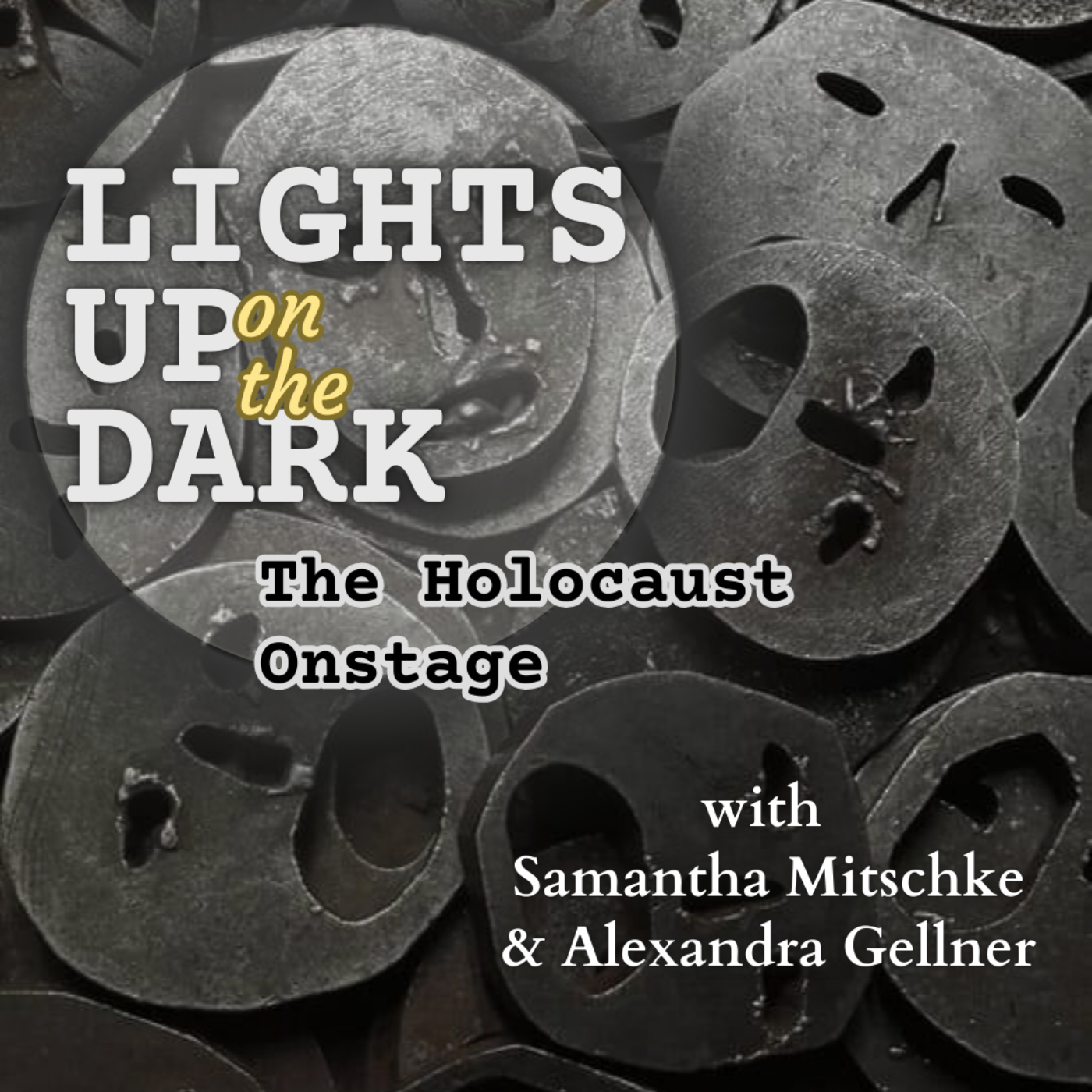
Lights Up on the Dark: The Holocaust Onstage
Podcast Description
Blending performing arts and history, LUOTD delves into what it means to represent the Holocaust onstage. Co-hosting from London and New York, theatre historian Samantha Mitschke and actor Alexandra Gellner discuss all things Holocaust-theatre. Bringing their perspectives as Holocaust educators, the pair look at how theatre can help with teaching and learning about the Holocaust as they offer fresh and thought-provoking insights.
Podcast Insights
Content Themes
The podcast delves into diverse themes focusing on Holocaust education, theatre adaptations, and the historical context of performances, with episodes addressing crucial topics such as the cultural life in the Terezin ghetto, the representation of antisemitism in plays like 'Our Class', and adaptations of significant works such as 'The Boy in the Striped Pyjamas'. Discussions also consider the impact of these themes on current educational practices and societal perceptions.
Blending performing arts and history, LUOTD delves into what it means to represent the Holocaust onstage.
Co-hosting from London and New York, theatre historian Samantha Mitschke and actor Alexandra Gellner discuss all things Holocaust-theatre. Bringing their perspectives as Holocaust educators, the pair look at how theatre can help with teaching and learning about the Holocaust as they offer fresh and thought-provoking insights.
This week, Sam and Alex delve into The Lucky Star by Karen Hartman, based on Richard Hollander’s book Every Day Lasts a Year: A Jewish Family’s Correspondence from Poland.
Following the death of his parents in a car accident, journalist Richard Hollander discovers a hidden suitcase in their attic. Inside are over 200 postcards and letters stamped with swastikas, written in three languages, spanning from 1939 to 1942. The Lucky Star – originally entitled The Book of Joseph – shifts back and forth in time to trace the life of Richard’s father, Joseph. As the Nazis occupy Poland, Joseph manages to escape to the United States. However, his family remains trapped under brutal German occupation. The play dramatises the correspondence sent between Joseph in America and his family back home. Through carefully coded words, censorship, and desperate pleas for affidavits and passage, the letters chronicle his family’s attempt to survive the Holocaust alongside Joseph’s relentless, agonising efforts to save them from afar.
Sam and Alex discuss the play’s structure, including the opening framing of a ‘book talk’; the different relationships and experiences represented; the play’s historical significance, with Joseph’s real-life experiences literally serving as a ‘test case’ for US immigration; the historical context of the Krakow Ghetto; and do an unexpected deep-dive into the play’s changed title…
Don’t forget to comment, rate, review, subscribe and share!
Hosts: Samantha Mitschke & Alexandra Gellner
Executive Producer: Samantha Mitschke
Producer / Editor: Alexandra Gellner
Music: “Image” by Infraction Music
Contact: https://holocaustonstage.com/contact/
Episode Sources
Plays
Karen Hartman (2017) The Lucky Star. Samuel French, Inc.
Other sources and resources
Full list of resources coming soon
Disclaimer
This podcast’s information is provided for general reference and was obtained from publicly accessible sources. The Podcast Collaborative neither produces nor verifies the content, accuracy, or suitability of this podcast. Views and opinions belong solely to the podcast creators and guests.
For a complete disclaimer, please see our Full Disclaimer on the archive page. The Podcast Collaborative bears no responsibility for the podcast’s themes, language, or overall content. Listener discretion is advised. Read our Terms of Use and Privacy Policy for more details.