FocusED
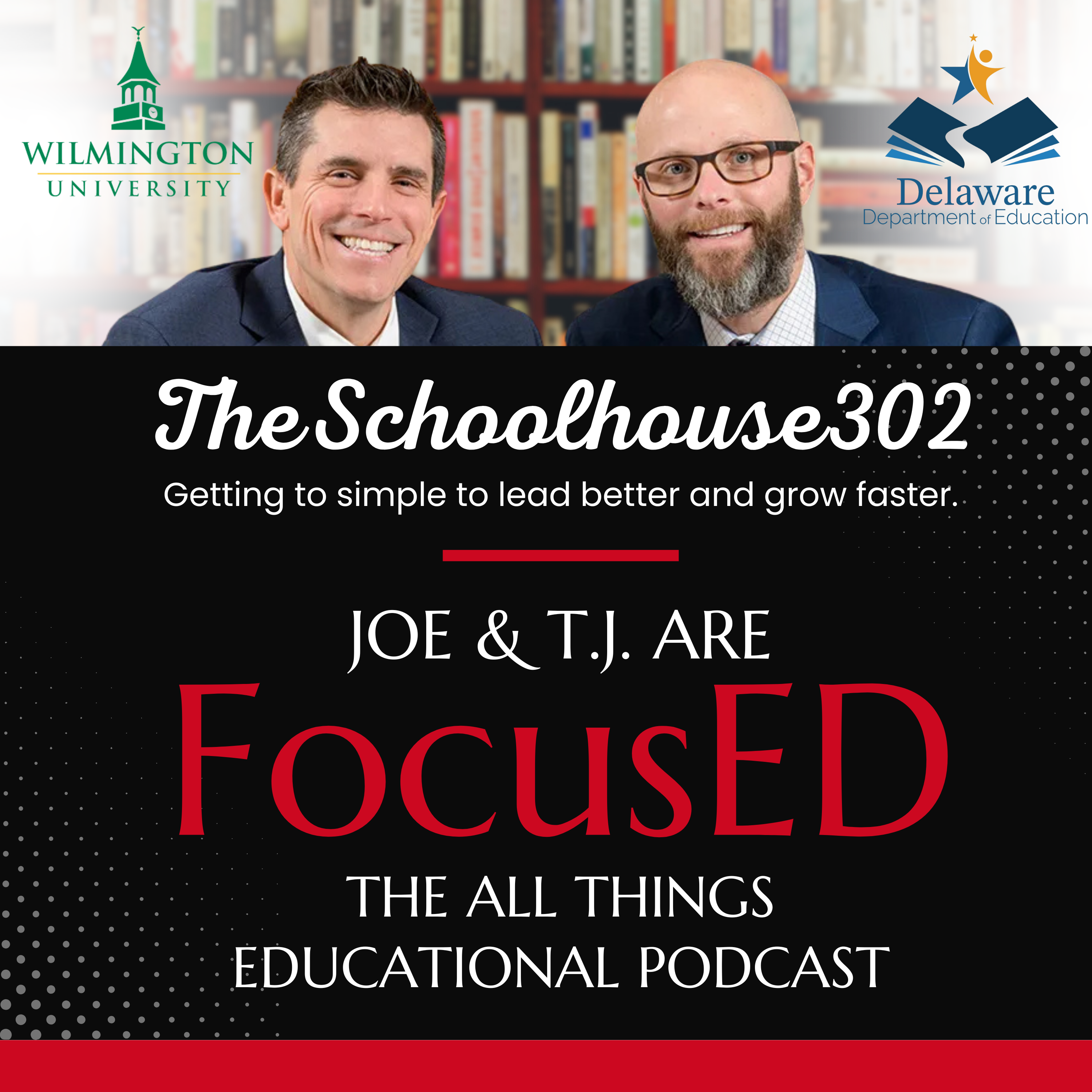
FocusED
Podcast Description
FocusED is your educational leadership podcast where our mission is to dissect a particular problem of practice and/or pinpoint a place of progress so that you can learn to lead better and grow faster in your school or district with more knowledge, better understanding, and clear direction on what to do next.
Podcast Insights
Content Themes
The podcast explores essential themes in education leadership, focusing on topics such as systemic thinking, social emotional learning, assessment reforms, and fostering high expectations among students and teachers, with episodes including discussions about leading an education revolution and the impact of SEL on lesson plans.
FocusED is your educational leadership podcast where our mission is to dissect a particular problem of practice and/or pinpoint a place of progress so that you can learn to lead better and grow faster in your school or district with more knowledge, better understanding, and clear direction on what to do next.
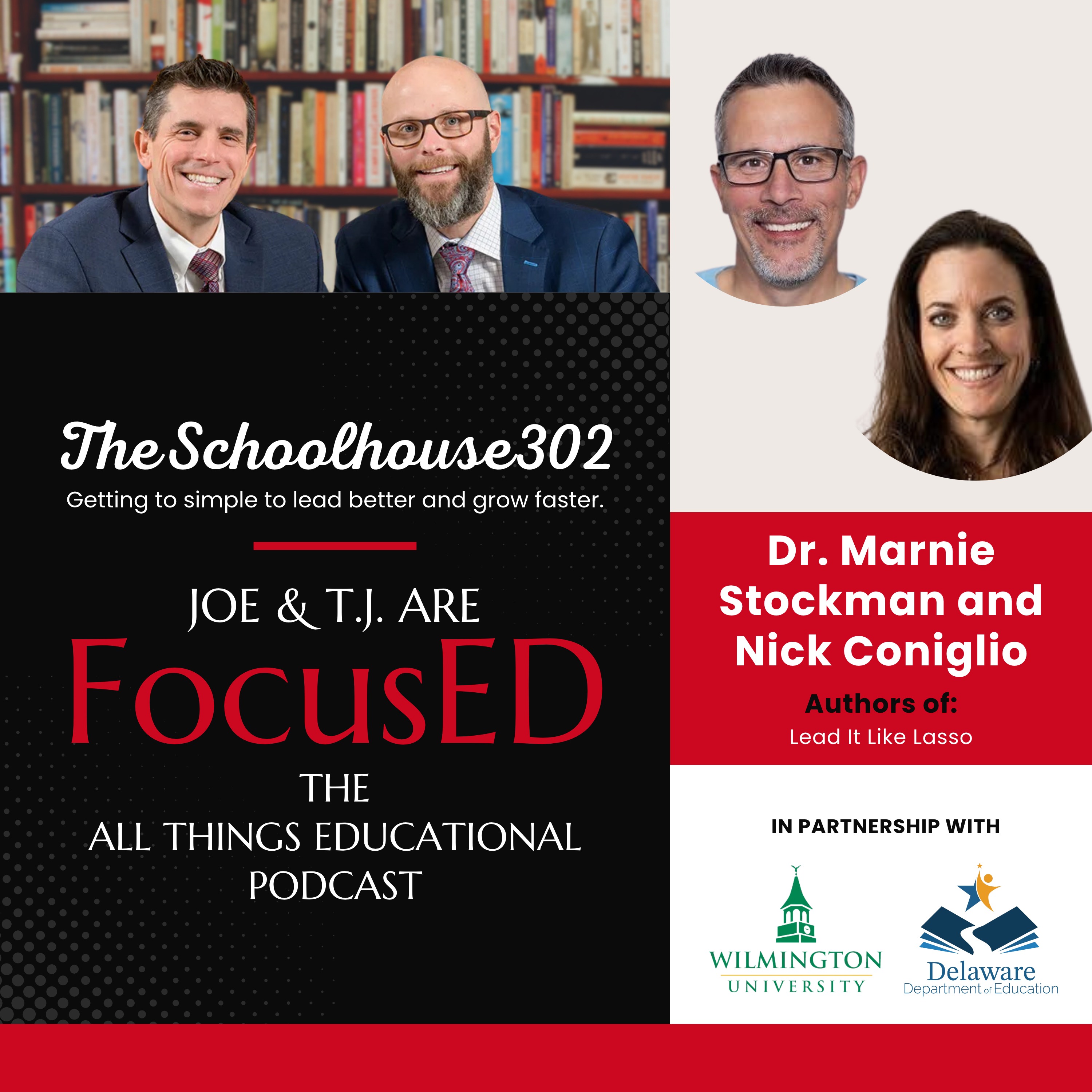
In this episode of FocusED, Dr. Marnie Stockman and Nick Coniglio join Joe and TJ from TheSchoolHouse302 to discuss their book, Lead It Like Lasso.
Nick mentions that watching Ted Lasso resonated deeply because of Ted’s focus on helping people become the best versions of themselves—a core principle he witnessed firsthand while working alongside Dr. Stockman. Grounding their work in company culture, Dr. Stockman mentions that living out core values is the true engine behind organizational success, far outstripping basic tactical plans.
Addressing one of the show’s most famous lessons, she stated that leading with curiosity and listening intently allows school leaders to look past assumptions and understand every angle of a situation.
Building on that idea, he said that organizations often fall to the level of their systems rather than rising to their goals, making clear that daily practices are essential to upholding values. Finally, Nick mentions that academic completion alone isn’t enough, emphasizing that students need self-reflection, self-awareness, and personal narrative skills to truly be ready for life beyond graduation.
This episode of FocusED is brought to you by Bullseye. If you’re doing walkthroughs without the support and tracking of Bullseye, head to bullseye.education/302 to schedule your sponsored Lunch and Learn today.
Disclaimer
This podcast’s information is provided for general reference and was obtained from publicly accessible sources. The Podcast Collaborative neither produces nor verifies the content, accuracy, or suitability of this podcast. Views and opinions belong solely to the podcast creators and guests.
For a complete disclaimer, please see our Full Disclaimer on the archive page. The Podcast Collaborative bears no responsibility for the podcast’s themes, language, or overall content. Listener discretion is advised. Read our Terms of Use and Privacy Policy for more details.