Family Prosperity – Live on Purpose Radio
Family Prosperity – Live on Purpose Radio
Podcast Description
Who's Driving Your Life?
Podcast Insights
Content Themes
The podcast focuses on parenting techniques, personal development, and family dynamics, with episodes such as 'Should Kids Get An Allowance?' discussing financial responsibility and 'Parenting Is Only Hard For Good Parents' exploring parental self-worth. It also dives into themes of emotional well-being with topics like prenatal positivity and building lasting self-esteem.
Live On Purpose Radio features principles of prosperity, abundance, and positive psychology to help you create and live the life you love. As you listen to Live On Purpose Radio, you’ll hear powerful stories of ordinary people doing extraordinary things. Dr. Paul Jenkins interviews inspiring people about principles that empower them to live on purpose. Living on purpose means that you have a purpose, and that you do it intentionally. Live on Purpose Radio, LiveOnPurposeRadio.com, started in 2007 and has been helping listeners worldwide overcome the effects of noxious negativity with a regular dose of Pathological Positivity. Share Live On Purpose Radio with anyone you know who would appreciate a dose of positivity in their life. Visit DrPaulJenkins.com for more resources to Live On Purpose.
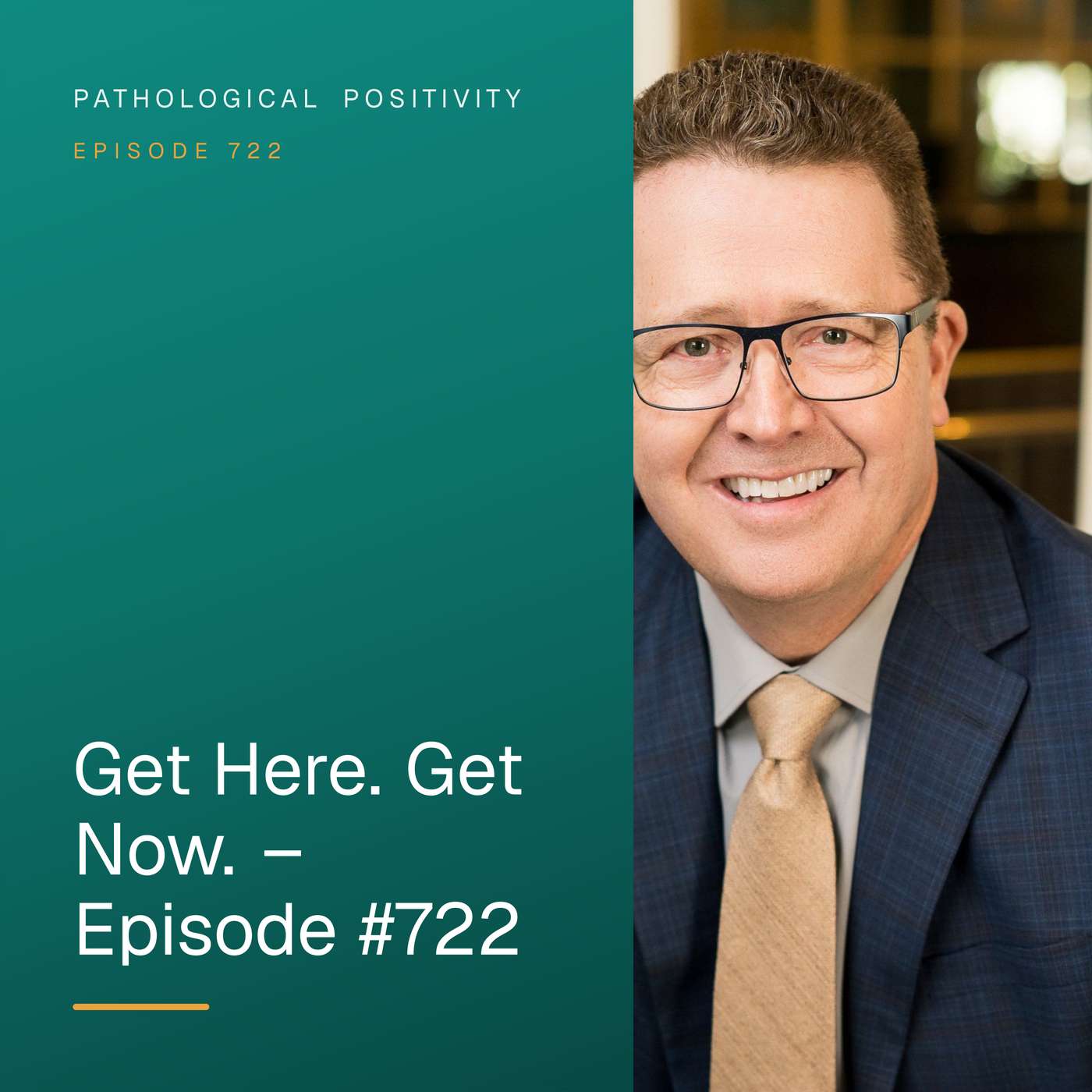
In this solo episode of Live On Purpose Radio, Dr. Paul Jenkins records while gathered with his Positivity Artisans group, a small circle he meets with a few times a year for deeper, in-person work on the principles of positivity. Ahead of this retreat the group read Eckhart Tolle’s The Power of Now together, and rereading it put the idea of presence squarely on his mind. He offers listeners two simple invitations drawn from that reading: get here, and get now.
Get here means noticing that your body can occupy only one place, even when your mind has checked out somewhere else. Dr. Paul lists the familiar ways this shows up: eating dinner with the family while thinking about work, sitting in a meeting while scrolling a phone, talking with a spouse while replaying yesterday, spending time with the kids while running through tomorrow’s to-do list. He returns to a principle he often teaches, that awareness precedes choice. Then he borrows a small example from Tolle: washing dishes while feeling the warmth of the water and the texture of the soap, instead of treating the task as something to get through on the way to the next thing.
Get now is the second half of the invitation, built on the idea that now is the only moment in which anyone can act. Dr. Paul walks through why the past is useful for learning and the future is useful for planning, but neither one can be lived in. He calls it a kind of insanity to get pulled outside the now: regret, guilt, and shame come from dwelling in the past, while anxiety and worry come from rehearsing a future that has not happened yet. He connects this to the phrase “it is what it is,” arguing that presence is not about pretending things are fine, but about facing what is true right now so you can ask, now what. That is where the present becomes a gift in the fullest sense. Not because the moment always feels good, but because it is the only place where choice and power live.
He closes by tying the idea to the platform he has spent the past year building, Positives. It grows out of a distinction from a recent episode between breakthrough learning and transformational learning, since presence, like positivity, is something practiced rather than known. Learn more about the show at liveonpurposeradio.com and about Dr. Paul’s work at drpauljenkins.com.
Disclaimer
This podcast’s information is provided for general reference and was obtained from publicly accessible sources. The Podcast Collaborative neither produces nor verifies the content, accuracy, or suitability of this podcast. Views and opinions belong solely to the podcast creators and guests.
For a complete disclaimer, please see our Full Disclaimer on the archive page. The Podcast Collaborative bears no responsibility for the podcast’s themes, language, or overall content. Listener discretion is advised. Read our Terms of Use and Privacy Policy for more details.