Meet in the Lobby
Podcast Description
A podcast by Avendra International, North America's leading provider of
hospitality procurement services. Avendra's lobby serves as the perfect meeting spot for the latest topics and
news impacting the hospitality industry, including unique perspectives and innovative solutions from the
industry's leading experts.
Podcast Insights
Content Themes
The podcast covers a wide array of hospitality topics, including procurement strategies, wellness trends, and legislative advocacy, with episodes such as a detailed discussion on sleep technology featuring Luke Kelly, and insights on advocacy from Chirag Shah of AHLA. The focus is on operational improvements and the integration of wellness into guest experiences, offering actionable solutions and innovative perspectives.
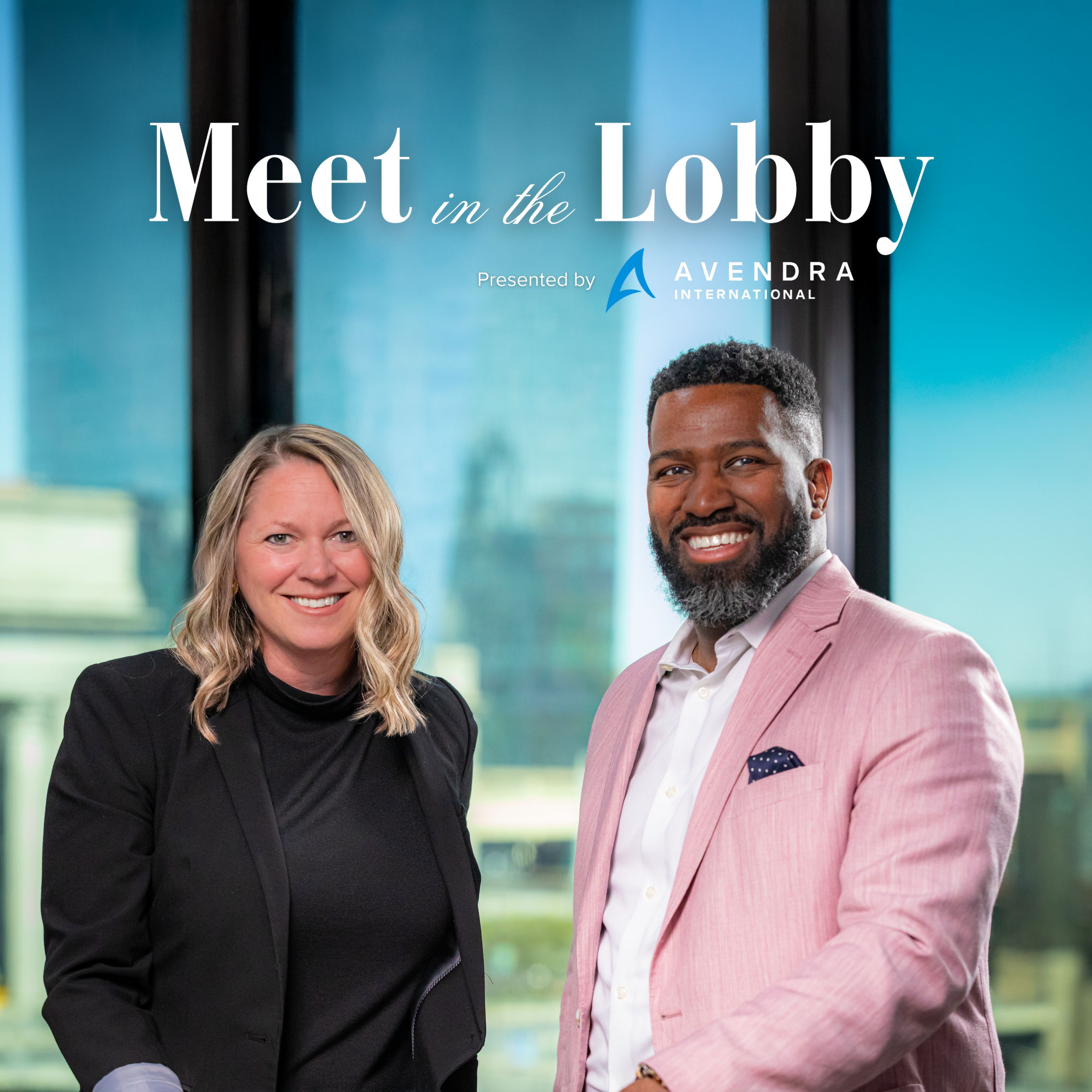
A podcast by Avendra International, a global leading provider of
hospitality procurement services. Avendra’s lobby serves as the perfect meeting spot for the latest topics and
news impacting the hospitality industry, including unique perspectives and innovative solutions from the
industry’s leading experts.
The Chef’s Forecast: Culinary Moves that Matter in 2026
In a recent episode of “Meet in the Lobby,” hosts Melissa McCormack and Dorien Murphy were joined by Adam Mali, Director of Culinary Operations with Sage Restaurant Concepts, to forecast the culinary trends shaping hotel dining for 2026. The conversation moved beyond fleeting fads to explore the deeper shifts in flavor, technique, and philosophy that are defining the future of hospitality. The consensus is clear: the path forward is paved with simplicity, responsibility, and a creative balance between comfort and innovation.
The New Menu: Balancing Comfort with Creative Innovation
The central trend for 2026, according to Adam Mali, is not about chasing exotic ingredients like cricket tacos, but about striking a delicate balance. “We’re trying to, I think, straddle a line where we’re giving people a degree of comfort, something recognizable, and then also giving the chef the opportunity to create something innovative and maybe surprising,” he explained.
This approach manifests in several key ways:
Elevated Familiarity: Instead of reinventing the wheel, top chefs are refining beloved concepts to their highest form. Mali cited a chef at Hotel Van Zandt in Austin who created an exquisite beef tongue dish that captured all the traditional flavors of a street-style lingua taco but presented it in a format “worthy of a Michelin star.”
The Power of Simplicity: There is a distinct movement away from overly complex dishes with too many components. The focus is shifting toward purity of flavor. As Dorien Murphy aptly summarized, the goal is “keeping flavors closer to the ground.” This trend is exemplified by highly trained chefs—like alumni from Eleven Madison Park—opening single-focus restaurants dedicated to perfecting classics like pizza.
Creativity Fueled by Constraints: With ingredient costs rising approximately 20% year-over-year, financial pressures are becoming a surprising catalyst for innovation. “The financial constraint…is actually driving innovation and creativity in a really positive way,” Mali noted. This pressure encourages chefs to explore lesser-known but flavorful alternative cuts of meat and to design menus that are both brilliant and economically viable.
Indulgence Meets Responsibility: The Rise of Sustainable Dining
A significant portion of the discussion centered on the growing importance of sustainability, which is evolving from a trend into a core operational principle. Guests increasingly want to know they are participating in a responsible transaction, and this trust is built on a foundation of environmental stewardship.
Mali emphasized that this goes far beyond marketing. It’s about tangible actions in the kitchen:
Seasonality as a Standard: Mali argued passionately that seasonality shouldn’t be a trend but should be “in your DNA.” He pointed out the absurdity of a hotel wanting to serve stone fruit in November when exceptional seasonal produce like persimmons and citrus is readily available.
Rethinking Technique: The conversation highlighted a renewed appreciation for traditional cooking methods over modern ones that can be wasteful. Mali criticized the widespread use of sous-vide cooking for the immense plastic waste it generates. “For me, like, if you can’t braise something, you should consider another profession,” he stated, championing classic techniques that enhance flavor without the environmental cost.
Responsible Sourcing: From using reusable Binchotan charcoal for live-fire cooking to minimizing plastic wrap, responsible operators are looking at every aspect of their operation to reduce their environmental impact.
Melissa McCormack perfectly captured this philosophy by coining the phrase “where indulgence meets responsibility,” defining the modern luxury dining experience as one that delivers exceptional quality without compromising ethical standards.
The Takeaway: Authenticity is the Future
Ultimately, the forecast for 2026 points toward a more grounded, authentic, and thoughtful approach to hotel dining. The future is not about shock value but about delivering genuine, high-quality experiences. By focusing on pure flavors, embracing sustainable practices, and creatively balancing the familiar with the innovative, hotels can build trust with their guests and create dining destinations that are both comforting and compelling.# The Chef’s Forecast: Culinary Moves that Matter in 2026
In a recent episode of “Meet in the Lobby,” hosts Melissa McCormack and Dorien Murphy were joined by Adam Mali, Director of Culinary Operations with Sage Restaurant Concepts, to forecast the culinary trends shaping hotel dining for 2026. The conversation moved beyond fleeting fads to explore the deeper shifts in flavor, technique, and philosophy that are defining the future of hospitality. The consensus is clear: the path forward is paved with simplicity, responsibility, and a creative balance between comfort and innovation.
Disclaimer
This podcast’s information is provided for general reference and was obtained from publicly accessible sources. The Podcast Collaborative neither produces nor verifies the content, accuracy, or suitability of this podcast. Views and opinions belong solely to the podcast creators and guests.
For a complete disclaimer, please see our Full Disclaimer on the archive page. The Podcast Collaborative bears no responsibility for the podcast’s themes, language, or overall content. Listener discretion is advised. Read our Terms of Use and Privacy Policy for more details.