The Modern Midlife Collective
The Modern Midlife Collective
Podcast Description
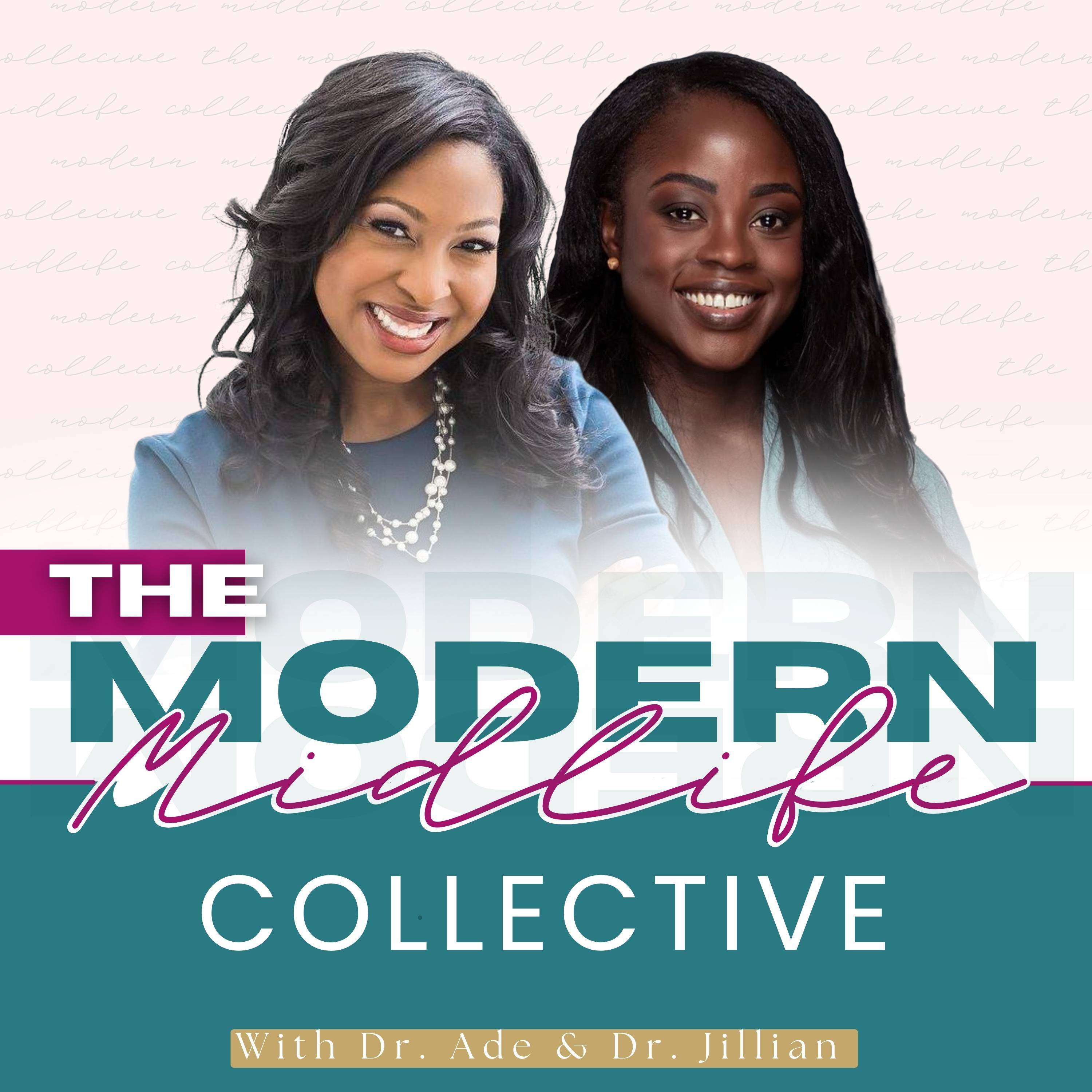
Welcome to The Modern Midlife Collective—where midlife isn’t a crisis, it’s a rebirth. Hosted by Dr. Ade Akindipe, DNP, and Dr. Jillian Woodruff, MD, this is the podcast for women ready to unapologetically own their power, thrive through the ups and downs of hormones, weight, and self-care, and show the world that thriving at 40 and beyond isn’t just possible—it’s your birthright.
Biweekly, we bring you science-backed insights on hormones, menopause, longevity, and sexual health—real tools to empower women in midlife and beyond. With a fearless blend of functional medicine, real-life wisdom, and no-nonsense empowerment, we’re here to challenge the norms, break through the barriers, and help you step into a life of vitality, confidence, and unstoppable strength.
Ready to rise? Let’s do this.
Podcast Insights
Content Themes
The podcast features science-backed discussions on topics such as hormones, menopause, longevity, and sexual health, highlighting episodes like 'Menopause Myths Debunked' and 'What Menopause Really Is' to provide clarity on misconceptions and empower women to take charge of their health.
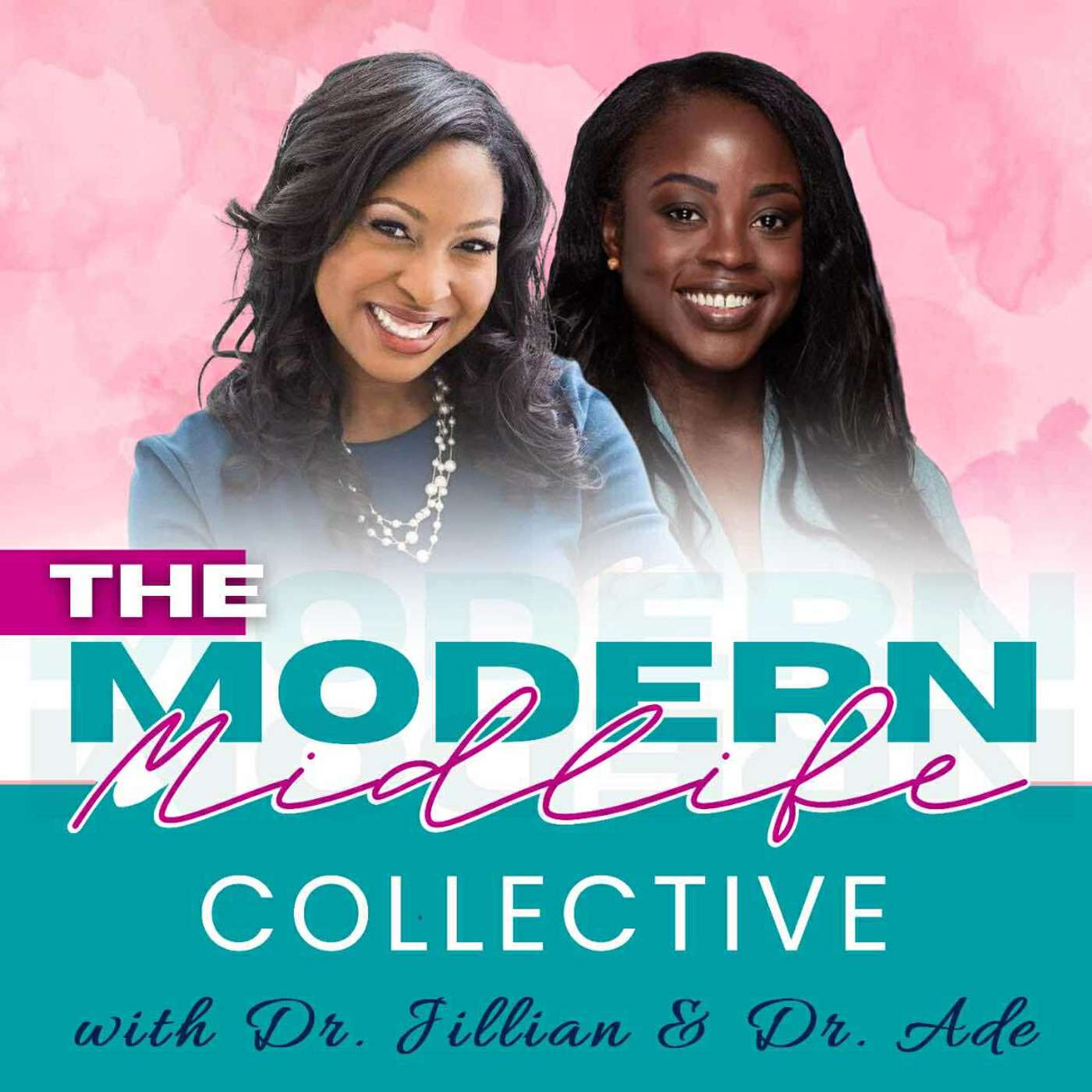
Welcome to The Modern Midlife Collective—where midlife isn’t a crisis, it’s a rebirth. Hosted by Dr. Ade Akindipe, DNP, and Dr. Jillian Woodruff, MD, this is the podcast for women ready to unapologetically own their power, thrive through the ups and downs of hormones, weight, and self-care, and show the world that thriving at 40 and beyond isn’t just possible—it’s your birthright.
Biweekly, we bring you science-backed insights on hormones, menopause, longevity, and sexual health—real tools to empower women in midlife and beyond. With a fearless blend of functional medicine, real-life wisdom, and no-nonsense empowerment, we’re here to challenge the norms, break through the barriers, and help you step into a life of vitality, confidence, and unstoppable strength.
Ready to rise? Let’s do this.
Brain fog? Hair shedding? Restless legs? Before you automatically blame menopause, it may be time to take another look at your iron.
New 2026 guidelines are changing how iron deficiency is diagnosed, and yes, you can have iron deficiency even when you’re not anemic.
In Episode 42 of The Modern Midlife Collective, Dr. Jillian Woodruff and Dr. Ade Akindipe unpack the newly released American Society of Hematology guidelines on diagnosing iron deficiency.
We’re going beyond the symptom everyone already knows, fatigue, and talking about the signs midlife women may not associate with iron:
• Brain fog and difficulty concentrating
• Hair and nail changes
• Restless legs
• Poor exercise tolerance
• Mood changes
• Pica and ice chewing
• Heavy menstrual bleeding during perimenopause
You’ll also learn why a “normal” CBC doesn’t automatically rule out iron deficiency, what ferritin tells us, why laboratory reference ranges aren’t always the same as clinical decision thresholds, and why finding low iron should prompt another important question:
Why is the iron low in the first place?
In this episode:
• Iron deficiency vs. iron-deficiency anemia
• The new 2026 ferritin diagnostic thresholds
• Why brain fog isn’t automatically menopause
• The complicated connection between iron and hair loss
• Heavy periods and iron depletion during perimenopause
• Why postmenopausal iron-deficiency anemia needs further evaluation
• Ferritin, CBC and transferrin saturation
• Why you shouldn’t automatically start iron supplements
• Three questions to take to your next medical appointment
Your three questions:
- What was my actual ferritin?
- Could I have iron deficiency even though I’m not anemic?
- If my iron is low, why is it low?
Resources
American Society of Hematology: 2026 Guidelines on Diagnosis of Iron Deficiency
CMAJ: Diagnosis and Management of Iron Deficiency in Females
JAMA: Iron Deficiency in Adults: A Review
American Gastroenterological Association: GI Evaluation of Iron Deficiency Anemia
American Academy of Sleep Medicine: Treatment of Restless Legs Syndrome Guideline
The Modern Midlife Collective
Because thriving at 40 and beyond isn’t just possible. It’s your birthright.
Disclaimer
This podcast’s information is provided for general reference and was obtained from publicly accessible sources. The Podcast Collaborative neither produces nor verifies the content, accuracy, or suitability of this podcast. Views and opinions belong solely to the podcast creators and guests.
For a complete disclaimer, please see our Full Disclaimer on the archive page. The Podcast Collaborative bears no responsibility for the podcast’s themes, language, or overall content. Listener discretion is advised. Read our Terms of Use and Privacy Policy for more details.