The Trial Bible | A Podcast for Trial Lawyers

The Trial Bible | A Podcast for Trial Lawyers
Podcast Description
Welcome to The Trial Bible – your front-row seat to the courtroom strategies behind today’s biggest verdicts.
In each episode, we sit down with top trial attorneys from across the country to dissect their recent wins. You’ll hear the real stories behind headline-making cases, the key jury instructions that swayed the outcome, and the battle-tested tools that helped them hit big.
Whether you're a practicing attorney, law student, or just a fan of high-stakes storytelling, this is your guide to what really works in the courtroom. Let’s get into it.
Podcast Insights
Content Themes
The podcast focuses on legal strategies, jury instruction insights, and storytelling, with episodes exploring recent high-profile verdicts, personal narratives from trial attorneys, and key tactics used in successful cases, such as emotional intelligence and resilience in the courtroom.
Welcome to The Trial Bible – your front-row seat to the courtroom strategies behind today’s biggest verdicts.
In each episode, we sit down with top trial attorneys from across the country to dissect their recent wins. You’ll hear the real stories behind headline-making cases, the key jury instructions that swayed the outcome, and the battle-tested tools that helped them hit big.
Whether you’re a practicing attorney, law student, or just a fan of high-stakes storytelling, this is your guide to what really works in the courtroom. Let’s get into it.
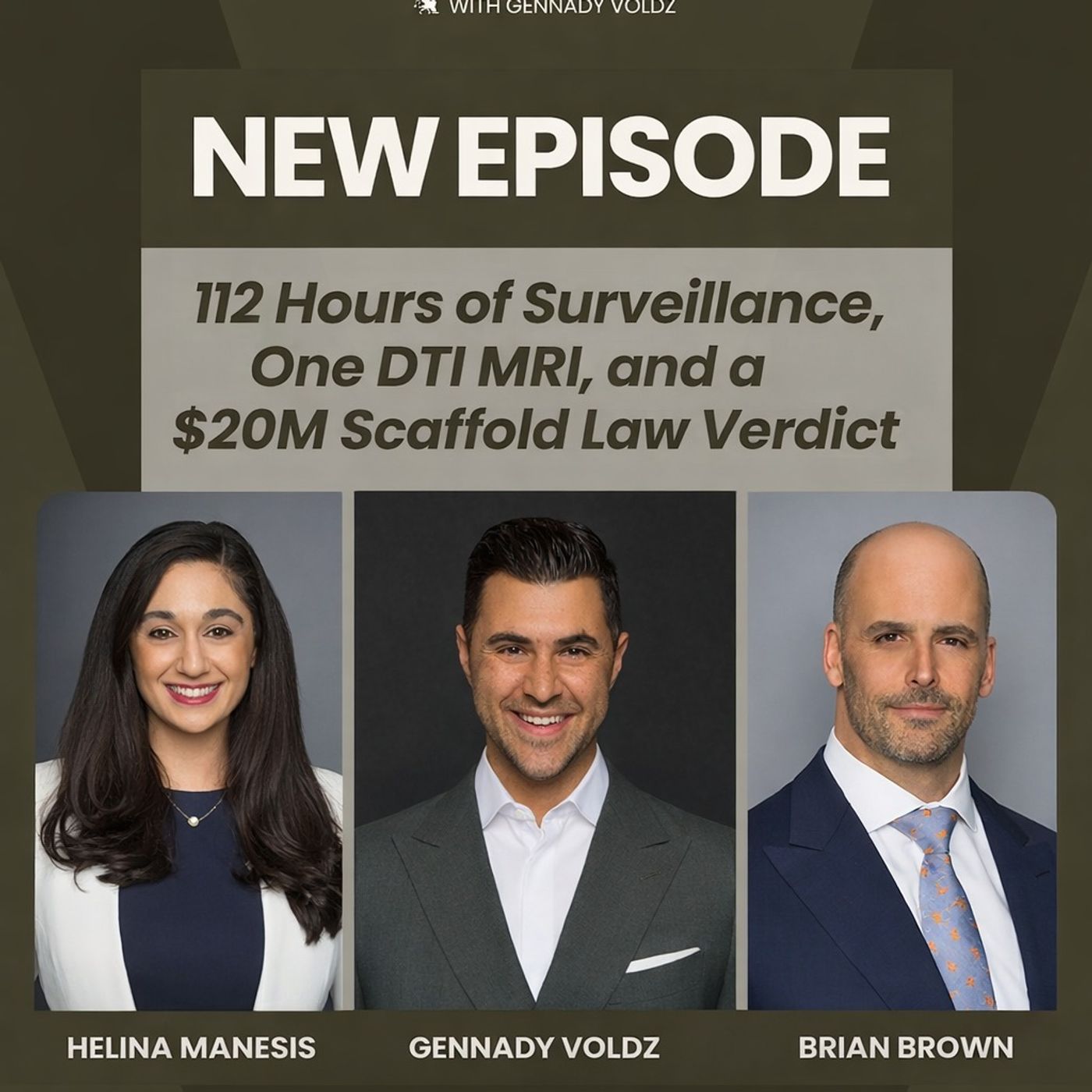
The conversation explores:
- How seasoned labor law litigators evaluate Labor Law §240(1) and §241(6) cases from day one
- Why this “classic scaffold law case” was anything but simple
- The strategic decision-making behind summary judgment, damages-only trial prep, and putting the plaintiff on first
- How a late-developing DTI MRI transformed the case into a true TBI trial — and how the jury was taught to understand “invisible” brain injuries
- Neutralizing 112 hours of defense surveillance by calling the investigator as a witness
- Using coworker testimony, biomechanics, and initial presentation to anchor causation
- Handling prior injuries, degeneration defenses, and credibility attacks head-on
- Trial teamwork, co-counsel dynamics, and expert sequencing
- Jury selection challenges, credibility battles, and the moments counsel knew they were winning
Helena and Brian also break down the economics of union labor damages, life care planning without fluff, expert cross-examination wins, and the high-stakes settlement negotiations that stalled just days before verdict — with no high-low agreement in place.
This episode is a masterclass in labor law trial strategy, TBI litigation, and how real verdicts are won — not assumed. If you try construction accident cases, damages-only trials, or brain injury cases, this is one you don’t want to miss.
Disclaimer
This podcast’s information is provided for general reference and was obtained from publicly accessible sources. The Podcast Collaborative neither produces nor verifies the content, accuracy, or suitability of this podcast. Views and opinions belong solely to the podcast creators and guests.
For a complete disclaimer, please see our Full Disclaimer on the archive page. The Podcast Collaborative bears no responsibility for the podcast’s themes, language, or overall content. Listener discretion is advised. Read our Terms of Use and Privacy Policy for more details.