Hack Your Hazcom
Podcast Description
Tired of Hazard Communication headaches? Want to unlock the secrets of safety data sheets and chemical labeling? Then tune in to Hack Your HazCom, the podcast that makes workplace safety clear, concise, and dare we say... interesting. Join us as we dive deep into the world of OSHA's Hazard Communication Standard and its international equivalents. We'll break down complex regulations, decode confusing symbols, and equip you with the knowledge you need to protect yourself and your colleagues.
Podcast Insights
Content Themes
The podcast primarily focuses on workplace safety topics, particularly OSHA's Hazard Communication Standard, safety data sheets, and chemical labeling. Episodes include in-depth analyses of compliance training, the role of regulatory bodies, and practical advice on understanding safety data for effective risk management, with specific discussions on GHS standards and chemical classification.

Tired of Hazard Communication headaches? Want to unlock the secrets of safety data sheets and chemical labeling? Then tune in to Hack Your HazCom, the podcast that makes workplace safety clear, concise, and dare we say… interesting. Join us as we dive deep into the world of OSHA’s Hazard Communication Standard and its international equivalents. We’ll break down complex regulations, decode confusing symbols, and equip you with the knowledge you need to protect yourself and your colleagues.
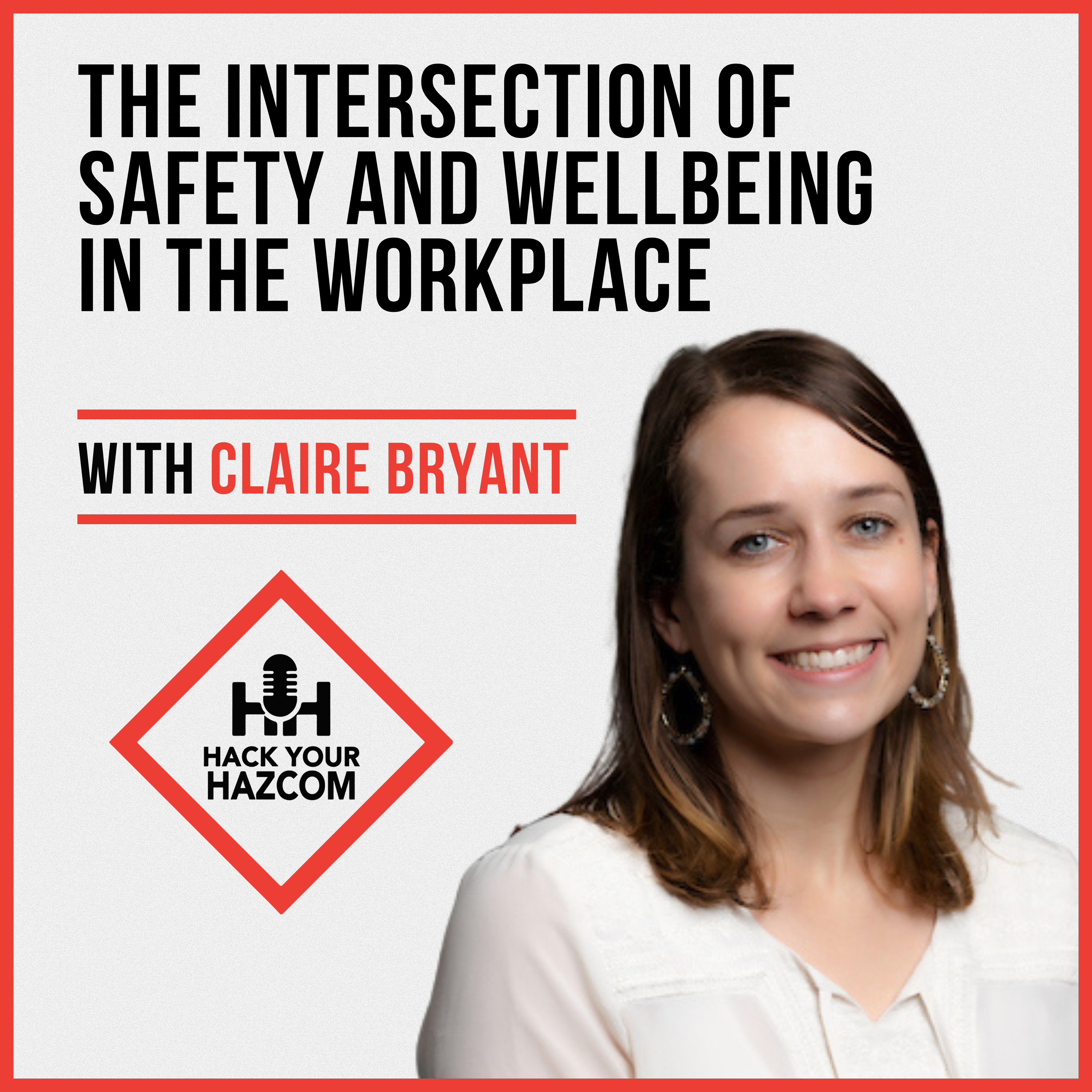
Host Atanu Das interviews Claire Bryant of the National Safety Council about workplace wellbeing and its connection to workplace and roadway safety. Bryant explains NSC’s wellbeing work began in 2012 with the overdose crisis and now includes fatigue, mental distress, psychological safety, workplace violence, and other psychosocial hazards, emphasizing research showing a strong correlation between wellbeing investments and improved safety outcomes. She discusses gaining organizational buy-in by linking wellbeing risks to costs like healthcare utilization, productivity, and turnover, and highlights pressing risks such as overdose on the job (about 8% of workplace fatalities) and over 12,000 EMS responses to potential opioid overdoses at worksites in the last year. The episode covers integrating wellbeing into safety management via risk assessment, EAP and incident data, tools like NIOSH’s Worker WellBQ, standards like ISO 45003, impairment detection technology, and practical steps for small organizations including naloxone and mental health first aid.
Disclaimer
This podcast’s information is provided for general reference and was obtained from publicly accessible sources. The Podcast Collaborative neither produces nor verifies the content, accuracy, or suitability of this podcast. Views and opinions belong solely to the podcast creators and guests.
For a complete disclaimer, please see our Full Disclaimer on the archive page. The Podcast Collaborative bears no responsibility for the podcast’s themes, language, or overall content. Listener discretion is advised. Read our Terms of Use and Privacy Policy for more details.