The Psych Studio Podcast

The Psych Studio Podcast
Podcast Description
Welcome to The Psych Studio Podcast — your window into the fascinating world of the mind. Each episode, we’ll explore the inner workings of the brain, the science of mental health, and the complex psychological forces that shape our thoughts, emotions, and everyday lives. This is The Psych Studio Podcast. Where psychology comes to life.
Music from #Uppbeat (free for Creators!):
https://uppbeat.io/t/yeti-music/rock-your-surfboard
License code: 343U0UCD8ZHJYTRD
Podcast Insights
Content Themes
The podcast focuses on a variety of mental health topics, including Major Depressive Disorder, anxiety disorders, and emotional regulation. Specific episode examples feature in-depth discussions on the DSM-5 criteria for depression, neuroanatomy related to mental health, and practical treatment strategies like 'opposite action' from Dialectical Behavioral Therapy. The show aims to debunk myths about mental health while providing evidence-based insights and interventions.
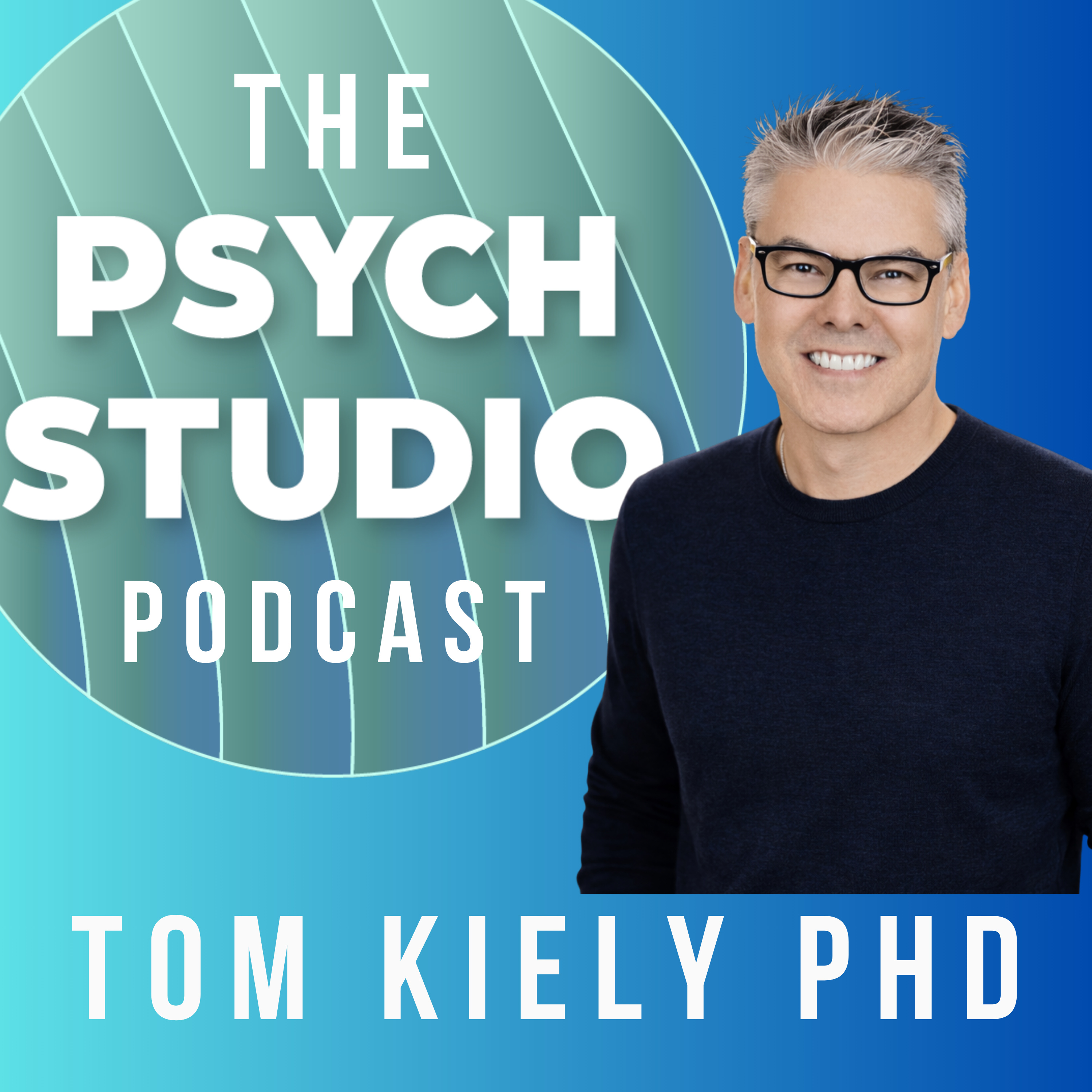
The Psych Studio Podcast is where psychology meets real life. Hosted by clinical psychologist and neuropsychologist Tom Kiely, PhD, the show breaks down complex mental health topics into clear, thoughtful, and relatable conversations. From brain-based explanations of everyday struggles to evidence-based tools you can actually use, each episode blends science, storytelling, and humanity. Curious, compassionate, and refreshingly honest—this is a space to better understand your mind, your relationships, and yourself.
Summary
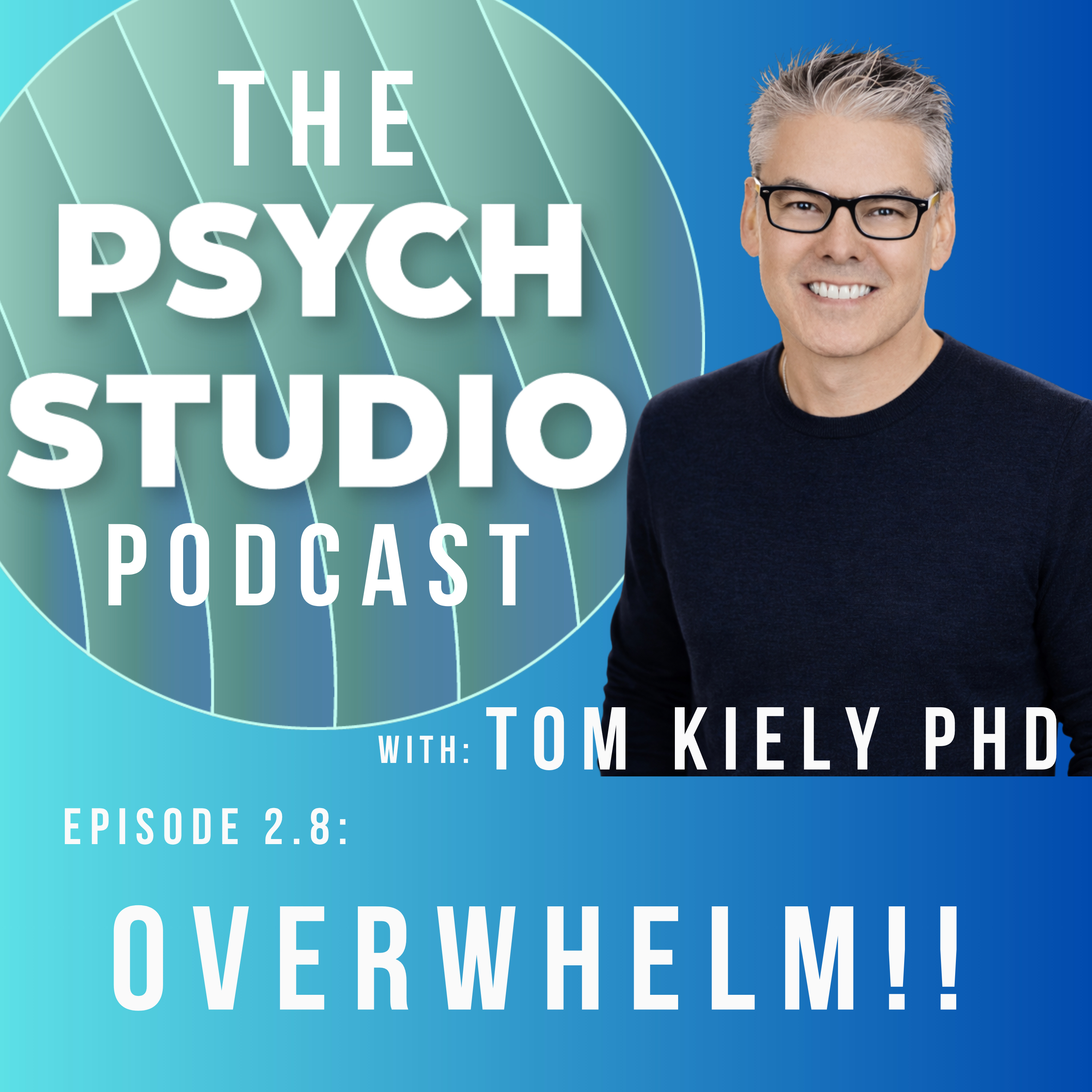
Dr. Tom Kiely explores the nature of overwhelm, its biological and emotional roots, and practical strategies to manage it effectively. Drawing from his expertise as a clinical psychologist, he emphasizes understanding overwhelm as a signal from the nervous system and offers actionable steps to restore balance.
Keywords
overwhelm, stress management, nervous system, emotional regulation, mental health, self-care, neuropsychology, resilience, modern life stress, psychological tips
Subscribe
🔔Subscribe to access bi-weekly podcast episodes:
Get In Touch With Dr. Kiely
Psychology Today
https://www.psychologytoday.com/us
Suicide and Crisis Hotline
Dial 988
Music
Street Cred: Anteros
https://uppbeat.io/t/anteros/street-cred
License code: W7XEHCU0U6DSGN9Q
Firelight: Hemlock
https://uppbeat.io/t/hemlock/firelight
License code: RKGF5N0ZRFQADJ9O
Summer Pop Lemonade: SonicMood
https://audiojungle.net/item/summer-pop-lemonade/53371178
License code: 14a92b7e-e924-4c82-9de5-f8aa3518b752
Ember: The Lakes
https://uppbeat.io/t/the-lakes/ember
License code: DEW9V7UFVY0KIDGM
Rock Your Surfboard: Yeti Music
https://uppbeat.io/t/yeti-music/rock-your-surfboard
License code: 343U0UCD8ZHJYTR
Disclaimer
This podcast’s information is provided for general reference and was obtained from publicly accessible sources. The Podcast Collaborative neither produces nor verifies the content, accuracy, or suitability of this podcast. Views and opinions belong solely to the podcast creators and guests.
For a complete disclaimer, please see our Full Disclaimer on the archive page. The Podcast Collaborative bears no responsibility for the podcast’s themes, language, or overall content. Listener discretion is advised. Read our Terms of Use and Privacy Policy for more details.