Neuroprovocateurs
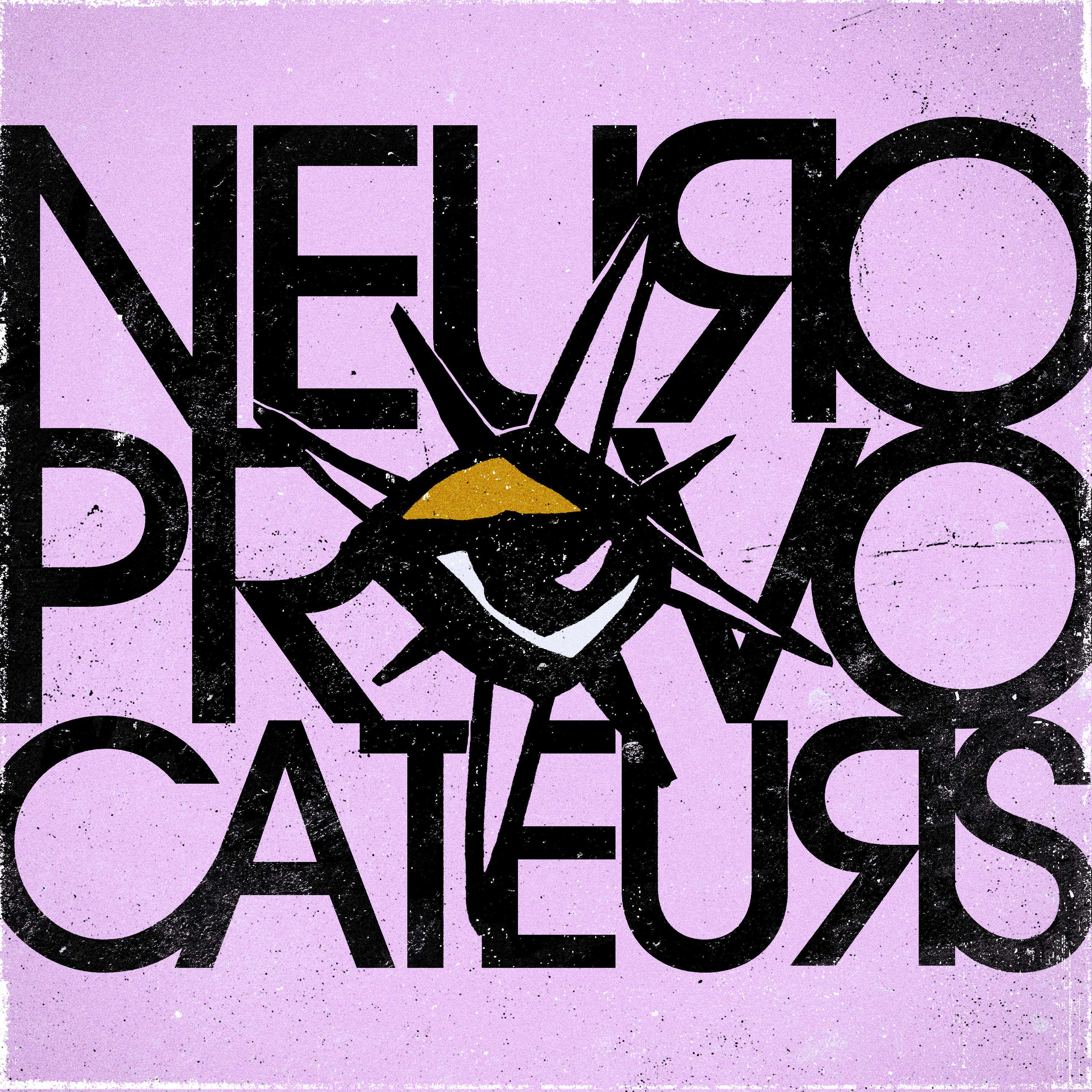
Neuroprovocateurs
Podcast Description
Hosted by Jessica Stoya and Pam Shaffer LMFT with special guest Laurie Penny, Neuroprovocateurs explores how neurodiversity shapes relationships, sexuality, politics and culture and dares you to embrace the beauty and chaos of our wonderfully diverse minds. neuroprovocateurs.substack.com
Podcast Insights
Content Themes
The show focuses on themes related to neurodiversity, self-acceptance, and societal impacts on relationships and identity, with episodes delving into topics like the 'Manic Pixie Dream Girl' trope, neurodiverse experiences in creative expression, and the challenges of living authentically in a world filled with stereotypes.
Hosted by Jessica Stoya and Pam Shaffer LMFT with special guest Laurie Penny, Neuroprovocateurs explores how neurodiversity shapes relationships, sexuality, politics and culture and dares you to embrace the beauty and chaos of our wonderfully diverse minds.
Welcome to Neuroprovocateurs, the podcast all about neurodiversity and self acceptance. Want to hear all about how neurodiversity affects culture, relationships, sexuality and identity? You’ve come to the right place.
This episode of the Neuroprovocateurs podcast is the second part of the conversation between hosts Pam Shaffer, Jessica Stoya and special guest Elizabeth, mother of eight-year-old Leo and one of Jessica’s closests friends. Together they take on the controversial topic so many current autism conversations avoid: that “autism spectrum disorder” has grown so wide it no longer describes anyone well and that the non- speaking autistic people who need the most support are harmed the most by such broad definitions.
Tune in for a raw, funny, and occasionally furious episode about the empathy myth, ABA trauma, hyper-empathy, eye contact, late diagnosis, and what changes when you stop trying to fix a child and start trying to understand them.
As the mother of a non-speaking child, Elizabeth argues non-speaking autistic people need their own category, separate from a spectrum that also holds adults who can self-advocate, work and live independently and thus have a radically different experience of life than their non-speaking counterparts.
Jessica makes a case for retiring “Asperger’s” and renaming the category after Grunya Sukhareva, the Soviet psychiatrist who described autism in the 1920s in both boys and girls, nearly two decades before Kanner and Asperger started their research.
The trio break down the empathy myth about why autistic people get labelled “low empathy” when affective empathy can be min-maxed through the roof while Pam shares how a fellow therapist told her that she couldn’t be autistic because she’s “too empathetic.” They also discuss common misconceptions, such as how clinicians only recently acknowledged the diagnostic overlap between ADHD and autism and that many autistic traits such as eye contact preferences are cultural and not clinical.
Most poignantly, Elizabeth shares her personal story of parenting Leo, narrating eight years of big emotions, co-regulation, and Leo’s message that “human language is limited and limiting.” She lets listeners in on how he now uses spelling to communicate alongside gestalt language processing, and what presuming competence really looks like when it comes to parenting a child like Leo.
Please share this episode with anyone who wants to learn first hand about the experience of raising a non-speaking child and all those who want to learn more about autism acceptance across the spectrum.
Show Notes
Autism Categories
* Debate over whether one spectrum captures substantially different experiences and support needs.
* Particular focus on non-speaking people, high-support needs, and the distinction between identity and functional support.
Diagnostic History
* Discussion of Grunya Sukhareva’s early descriptions of autism in boys and girls.
* Historical sexism, Nazi-era context, cultural assumptions, and outdated diagnostic practices were identified as sources of ongoing error.
Professional Understanding
* Pam described how clinical training and professional dogma have lagged behind lived experience, including the former separation of ADHD and autism.
* The group discussed misinterpretations of empathy, eye contact, literal communication, and verbal ability.
Family Support
* Strengths-based care, co-regulation, and following a child’s interests were contrasted with attempts to normalize or fix them.
* The group discussed parental grief, caregiver strain, and the need to separate those feelings from expectations imposed on the child.
Communication Access
* Nonverbal communication was treated as meaningful rather than deficient.
* Spelling, community support, and other alternative communication approaches were discussed as expanding possibilities for self-advocacy.
This is a public episode. If you’d like to discuss this with other subscribers or get access to bonus episodes, visit neuroprovocateurs.substack.com/subscribe
Disclaimer
This podcast’s information is provided for general reference and was obtained from publicly accessible sources. The Podcast Collaborative neither produces nor verifies the content, accuracy, or suitability of this podcast. Views and opinions belong solely to the podcast creators and guests.
For a complete disclaimer, please see our Full Disclaimer on the archive page. The Podcast Collaborative bears no responsibility for the podcast’s themes, language, or overall content. Listener discretion is advised. Read our Terms of Use and Privacy Policy for more details.