Structural Intelligence Podcast

Structural Intelligence Podcast
Podcast Description
Welcome to the Structural Intelligence Podcast — where engineering meets innovation. Hosted by Owen Keenan, this show dives into how AI, automation, and digital tools are transforming engineering. Each episode features real stories from leading professionals, practical insights, and bold ideas shaping the future of the built environment. If you're passionate about smarter workflows, powerful tools, and the next evolution of engineering, you're in the right place.
Podcast Insights
Content Themes
This podcast focuses on themes such as AI in engineering, automation advancements, and digital tools' impact on workflow efficiency, with episodes like Behind the Boorloo Bridges discussing real-world projects and the nuanced role of automation in overcoming design challenges.
Welcome to the Structural Intelligence Podcast — where engineering meets innovation. Hosted by Owen Keenan, this show dives into how AI, automation, and digital tools are transforming engineering. Each episode features real stories from leading professionals, practical insights, and bold ideas shaping the future of the built environment. If you’re passionate about smarter workflows, powerful tools, and the next evolution of engineering, you’re in the right place.
“What if the biggest risk to our infrastructure isn’t corrosion, cracking, or ageing, but the assumptions we still make?”
Most asset inspections rely on “representative sampling”, checking a handful of areas and extrapolating the rest. But in complex, ageing buildings, that approach can quietly hide defects, increase risk, and lead to expensive surprises later.
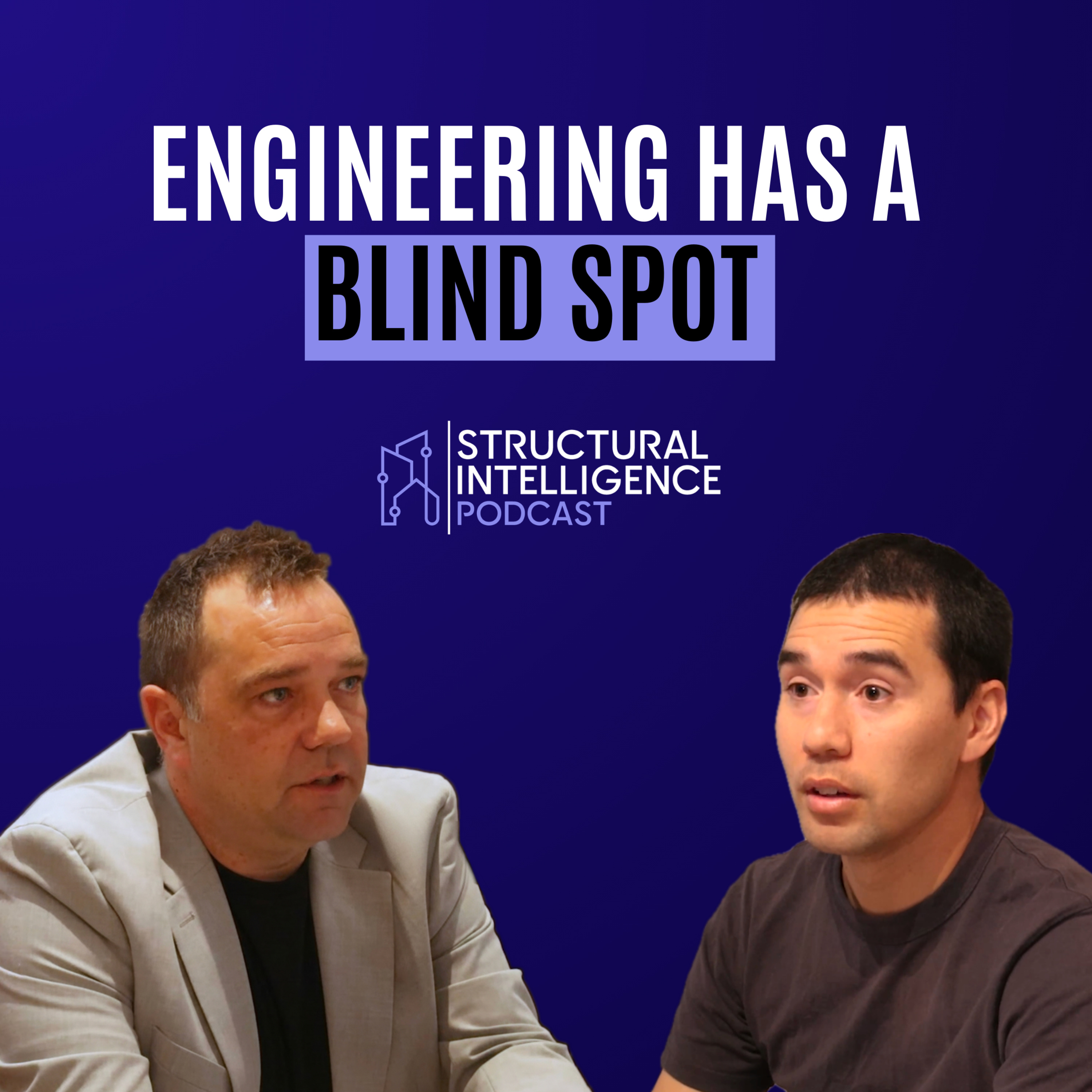
In this episode of the Structural Intelligence Podcast, host Owen Keenan sits down with Derek Feebrey, Co-Founder and CEO of Trendspek, to explore why sampling often falls short, and what a better future looks like, one built on complete, auditable data.
From aviation-inspired precision to millimetre-accurate 3D digital records, Derek explains how the industry is shifting from static PDF reports to living models of the built environment, and why the biggest barrier is not technology, it’s trust, process, and change management.
If you work in engineering, asset management, facilities, or infrastructure, this episode will challenge the way you think about inspections, evidence, and decision-making.
🔑 Key Takeaways:
- Why “representative” inspections can miss critical risks
- How complete data reduces assumptions and improves decisions
- Why 3D modelling is changing how we plan remediation and budgets
- The role of engineers, contractors, and owners in better collaboration
- Why adoption is more about people and process than technology
⏱ Timestamps:00:00 – Why Sampling Fails06:02 – From Photos to 3D Insight09:01 – Digital Inspections from Data13:42 – Agnostic Data Capture17:31 – The Limits of Representative Inspections22:40 – Remediation and Cost Certainty26:32 – Optimizing Asset Management30:19 – Working Together Virtually35:29 – Digitizing Data and Building Smarter Insights38:26 – AI-Powered Infrastructure
🔗 Guest: Derek Feebrey
Co-Founder & CEO TrendspekWebsite: https://trendspek.com/LinkedIn (Company): https://linkedin.com/company/trendspekLinkedIn (Derek Feebrey): https://linkedin.com/in/derek-feebrey
🎧 Host & Links
LinkedIn: https://linkedin.com/in/owenrkeenanSpotify: https://open.spotify.com/show/7vcBFpl87NcqpLf0seIRaWYouTube: https://www.youtube.com/@Structural-Intelligence
VoiceInspect.ai (AI for inspections): https://www.voiceinspect.ai
👉 Subscribe to the Structural Intelligence Podcast on YouTube and Spotify to stay updated on new episodes.
Disclaimer
This podcast’s information is provided for general reference and was obtained from publicly accessible sources. The Podcast Collaborative neither produces nor verifies the content, accuracy, or suitability of this podcast. Views and opinions belong solely to the podcast creators and guests.
For a complete disclaimer, please see our Full Disclaimer on the archive page. The Podcast Collaborative bears no responsibility for the podcast’s themes, language, or overall content. Listener discretion is advised. Read our Terms of Use and Privacy Policy for more details.