NeLI Pod

NeLI Pod
Podcast Description
The official podcast of the National eDiscovery Leadership Institute. Here, we bridge the gap between technology and the law, bringing you the forefront of electronic discovery.
Podcast Insights
Content Themes
The podcast focuses on themes such as technology in legal practice, eDiscovery best practices, the adoption of AI in law, and ethical considerations in digital evidence handling. Examples of specific episodes include discussions on AI's role in the judiciary, challenges of hyperlinked documents in eDiscovery, and the evolution of technology-assisted review methodologies.
The official podcast of the National eDiscovery Leadership Institute. Here, we bridge the gap between technology and the law, bringing you the forefront of electronic discovery.
Quick recap
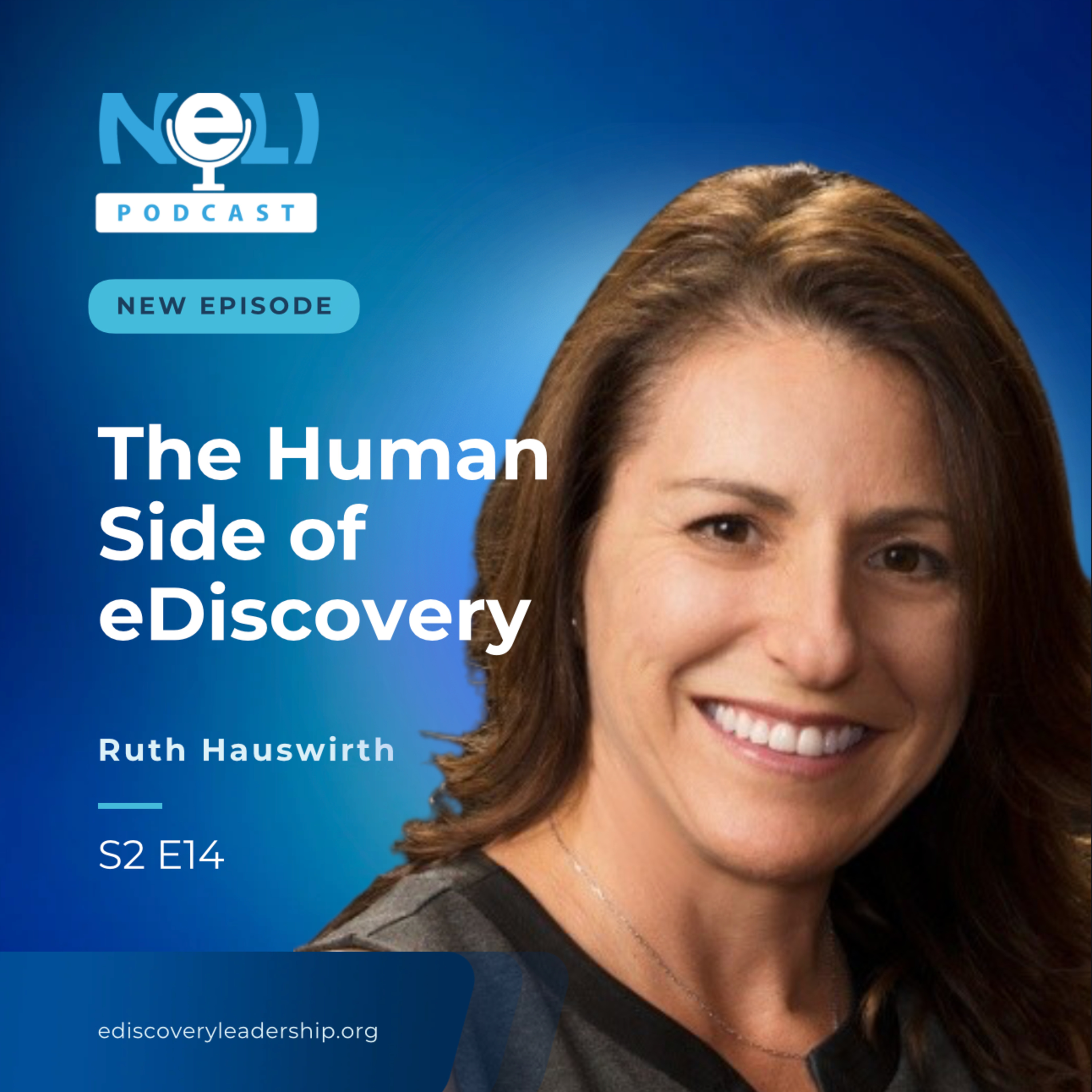
This was an episode of the NELI Pod podcast featuring Ruth Hausworth, Special Counsel and Head of Cooley’s Litigation eDiscovery Services. Daniel Gold and Brandon Tannenbaum interviewed Ruth about her 30-year career in e-discovery, starting at Cooley in 1995 when litigation was still paper-based. Ruth discussed how technology has transformed legal practice from paper documents to email to electronic information, drawing parallels between early e-discovery challenges and current generative AI issues. She emphasized that while AI should augment legal work rather than replace human judgment, many lawyers are either over-relying on AI or completely resisting its use. Ruth highlighted the need for better legal education around technology, including AI literacy, and suggested that rather than rewriting rules of professional responsibility, the profession needs more education and practical implementation strategies. The conversation concluded with Ruth sharing her personal journey toward becoming a certified mindfulness facilitator through UCLA, explaining how meditation helped her manage burnout and depression while practicing law.
e‑Discovery and AI Adoption Daniel and Brandon interviewed Ruth Hausworth, Special Counsel at Cooley and head of their Litigation eDiscovery Services practice. She traced e‑discovery’s evolution from paper to electronic data, noting parallels between early email adoption and today’s generative AI challenges. Ruth emphasized that technology should support—not replace—legal judgment, yet many lawyers either over‑rely on AI or avoid it entirely. She stressed the need for stronger tech education in law and suggested that resistance often stems from feeling threatened, making change‑management and critical‑thinking skills essential.
AI Adoption and Validation Ruth highlighted the value of leveraging varying levels of AI comfort within organizations, encouraging collaboration between early adopters and cautious users. Brandon raised concerns about validating generative AI compared to TAR, but Ruth argued that while validation debates may grow, proper processes and demonstrated outcomes should ease acceptance. Used thoughtfully, she said, generative AI can be empowering.
AI in the Legal Profession Ruth and Daniel discussed AI’s role in legal work, with Ruth optimistic about its benefits while acknowledging validation needs. Daniel asked whether rules must change for AI; Ruth said no major overhaul is required, comparing the moment to past e‑discovery rule updates that refined existing concepts rather than reinventing them. She believes education—not new rules—will drive behavior change, noting rising tech‑focused CLE requirements.
Generative AI Policy Challenges Ruth and Brandon explored the difficulty of implementing AI policies, emphasizing that policy alone is ineffective without education and an understanding of human behavior. Ruth stressed giving employees the right tools and explaining policy rationale, while acknowledging the inevitability of shadow AI use. They agreed that broad AI literacy is increasingly necessary across society.
Meditation and Mindfulness Ruth shared her meditation journey, which began as a way to manage burnout, depression, and anxiety years before earning her UCLA certification in 2020. While not a cure‑all, meditation significantly improved her stress management, and she now leads informal sessions with colleagues. The conversation ended with Daniel asking for silent retreat recommendations, and Ruth mentioning her upcoming retreat at Big Bear Retreat Center in California.
Disclaimer
This podcast’s information is provided for general reference and was obtained from publicly accessible sources. The Podcast Collaborative neither produces nor verifies the content, accuracy, or suitability of this podcast. Views and opinions belong solely to the podcast creators and guests.
For a complete disclaimer, please see our Full Disclaimer on the archive page. The Podcast Collaborative bears no responsibility for the podcast’s themes, language, or overall content. Listener discretion is advised. Read our Terms of Use and Privacy Policy for more details.