Bouncing Back Podcast
Podcast Description
Bouncing Back Podcast: Professionals Thriving with Chronic Illness is hosted by Melissa McCurley, a resilient professional living with multiple chronic illnesses like Hashimoto’s, IBS, Psoriasis, ADHD, and more. Melissa creates a compassionate space for professionals to share stories of perseverance and success. Through inspiring conversations and practical insights, the podcast explores mindset shifts, support systems, and advocating for workplace accommodations while thriving with chronic illness.
Podcast Insights
Content Themes
The podcast delves into themes of resilience, workplace wellbeing, and personal growth, with episodes covering impactful topics such as transitioning from corporate roles to entrepreneurship, integrating health into business strategy, and fostering mindset shifts for success amidst challenges. Notable episodes include conversations with guests on holistic health and the importance of support systems for high-achieving women.

Bouncing Back Podcast: Professionals Thriving with Chronic Illness is hosted by Melissa McCurley, a resilient professional living with multiple chronic illnesses like Hashimoto’s, IBS, Psoriasis, ADHD, and more. Melissa creates a compassionate space for professionals to share stories of perseverance and success. Through inspiring conversations and practical insights, the podcast explores mindset shifts, support systems, and advocating for workplace accommodations while thriving with chronic illness.
#autoimmunediseasewarrior
Is a tax preparer enough when chronic illness adds medical costs every year?
Many professionals with chronic illness know they need a plan for the next five years, not just this one.
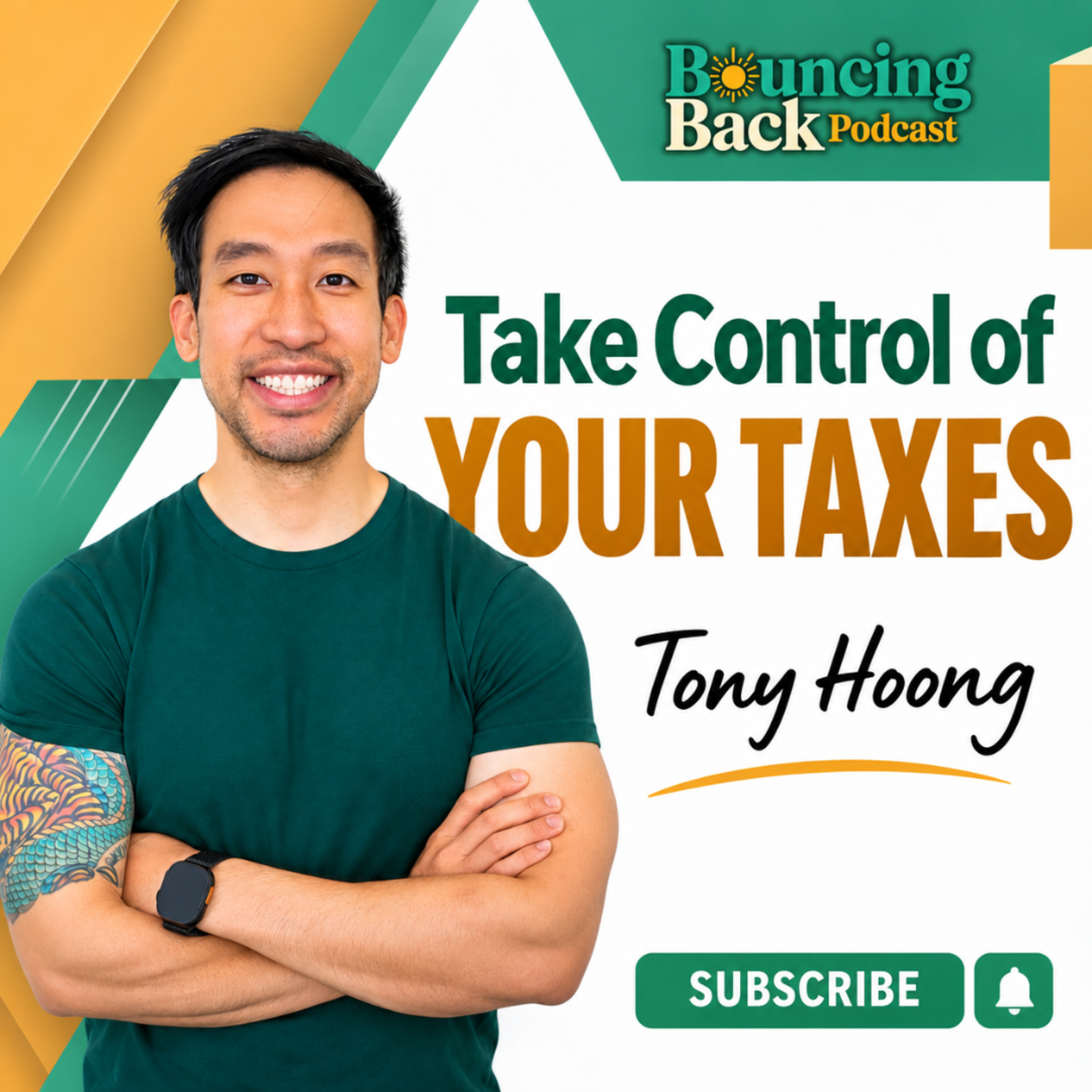
On Bouncing Back Podcast, Melissa McCurley, a 7th-generation North Texan REALTOR and fellow warrior, sits down with Tony Hoong, CPA and founder of The CPA Dude, who plans taxes around his clients’ real lives.
Hear how business structure, HSAs and health deductions, proactive tax planning, and wealth building on any budget fit together.
🎧 Hosted by: Melissa McCurley
🎤 Featuring:
Tony Hoong – CPA and founder of The CPA Dude, a strategic and tax accounting firm. He previously worked as an accountant at KPMG and started the firm as a side hustle. The CPA Dude now has a team of 38 people.
💡 What You’ll Learn in This Episode:
HSA money stays tax free when invested and spent on medical costs
Entity choice comes before health insurance for chronic illness owners
Family members doing real work can make medical costs deductible
Medical itemizing is hard with today’s high standard deduction
Wellness devices like Oura rings may be HSA or FSA eligible
Professionals with chronic illness gain more from tax planning than tax prep
Wealth building can start with $1,000 a year, not a fortune
⏳ Timestamps (Click to Jump!):
00:00 – Chronic Illness Owners Need a Tax Partner
01:10 – Tax Partner vs. Preparer: DUDE Method
02:43 – Your Business Entity Comes First
03:28 – Section 105 for Working Spouses
05:10 – HHSA: Invest Now, Reimburse Later
07:39 – Self-Employed Health Insurance Deduction
08:30 – Deducting Saunas, Acupuncture & Wearables
11:41 – EEmploying Your Kids: $36K Example
13:18 – Why Your CPA Asks Awkward Questions
14:52 – W-2 or 1099? Starting a Side Business
16:48 – Build Wealth: Airbnb, Side Hustle, S&P 500
21:40 – Find The CPA Dude + Final Advice
💡Key Questions Answered in This Episode
Q: Who qualifies to open a health savings account?
→ A: People with a high-deductible health insurance plan, says Tony Hoong, CPA and founder of The CPA Dude, because an HSA requires one. W-2 employees can also use an HSA or FSA when their employer offers it, he adds.
Q: When does a Section 105 medical reimbursement plan stop making sense for my business?
→ A: Once a business adds a third employee, unless it offers the same benefits to every employee, Tony explains. He describes it as the plan that works for a husband-and-wife “tag team duo.”
Q: What can I invest my HSA money in?
→ A: Common choices include target-date retirement funds, S&P 500 funds, bond funds, and, depending on the HSA provider, individual stocks. Tony keeps his own HSA in an S&P 500 fund and rarely looks at it.
Q: How much could a short-term rental lower my taxes in the first year?
→ A: In Tony’s example, a $500,000 Airbnb bought with 10% down can produce close to $150,000 in deductions through a cost segregation study paired with bonus depreciation. He notes it requires managing the property yourself, at least the first year.
Q: When should I consider switching my business to an S Corp?
→ A: Common advice says above $70,000 in net income, which Tony calls true only to a certain extent, since other factors matter. He also notes S Corp owners with more than 2% ownership pick up reimbursed medical expenses as taxable income.
📇 Connect with Tony Hoong:
📷 Instagram: https://www.instagram.com/thecpadude_
📱Website: https://thecpadude.com/
🎙 FOLLOW MELISSA & BOUNCING BACK:
📘 Facebook →https://www.facebook.com/groups/bouncingbackpodcast/
📷 Instagram →https://www.instagram.com/melmccurley
🔗 LinkedIn →https://www.linkedin.com/in/melissa-mccurley/
📺 Youtube →https://www.youtube.com/@BouncingBackwithMelissa
📱Pinterest →https://www.pinterest.com/bouncingbackwith
🔖 DON’T FORGET TO LIKE, SUBSCRIBE, AND COMMENT BELOW!
#MelissaMcCurley #ChronicIllnessWarrior #AutoimmuneWarrior #ThrivingWithChronicIllness #eXpRealty #MindsetMatters #ResiliencePodcast #ChronicIllnessAtWork #InvisibleIllness
Disclaimer
This podcast’s information is provided for general reference and was obtained from publicly accessible sources. The Podcast Collaborative neither produces nor verifies the content, accuracy, or suitability of this podcast. Views and opinions belong solely to the podcast creators and guests.
For a complete disclaimer, please see our Full Disclaimer on the archive page. The Podcast Collaborative bears no responsibility for the podcast’s themes, language, or overall content. Listener discretion is advised. Read our Terms of Use and Privacy Policy for more details.