The Business of LoRaWAN

The Business of LoRaWAN
Podcast Description
All about the business of LoRaWAN. How it works, who uses it, why, how they save or make money with it. Conversations with IoT pros willing to share their knowledge and help your business.
Podcast Insights
Content Themes
The podcast covers a range of topics related to LoRaWAN technology, including its applications in wildfire detection, agricultural innovation, smart city implementations, and environmental monitoring. For instance, episodes delve into how companies like Torch Sensors leverage LoRaWAN for rapid wildfire detection and how the technology can transform smart agriculture by deploying low-power sensors to collect data.
All about the business of LoRaWAN. How it works, who uses it, why, how they save or make money with it. Conversations with IoT pros willing to share their knowledge and help your business.
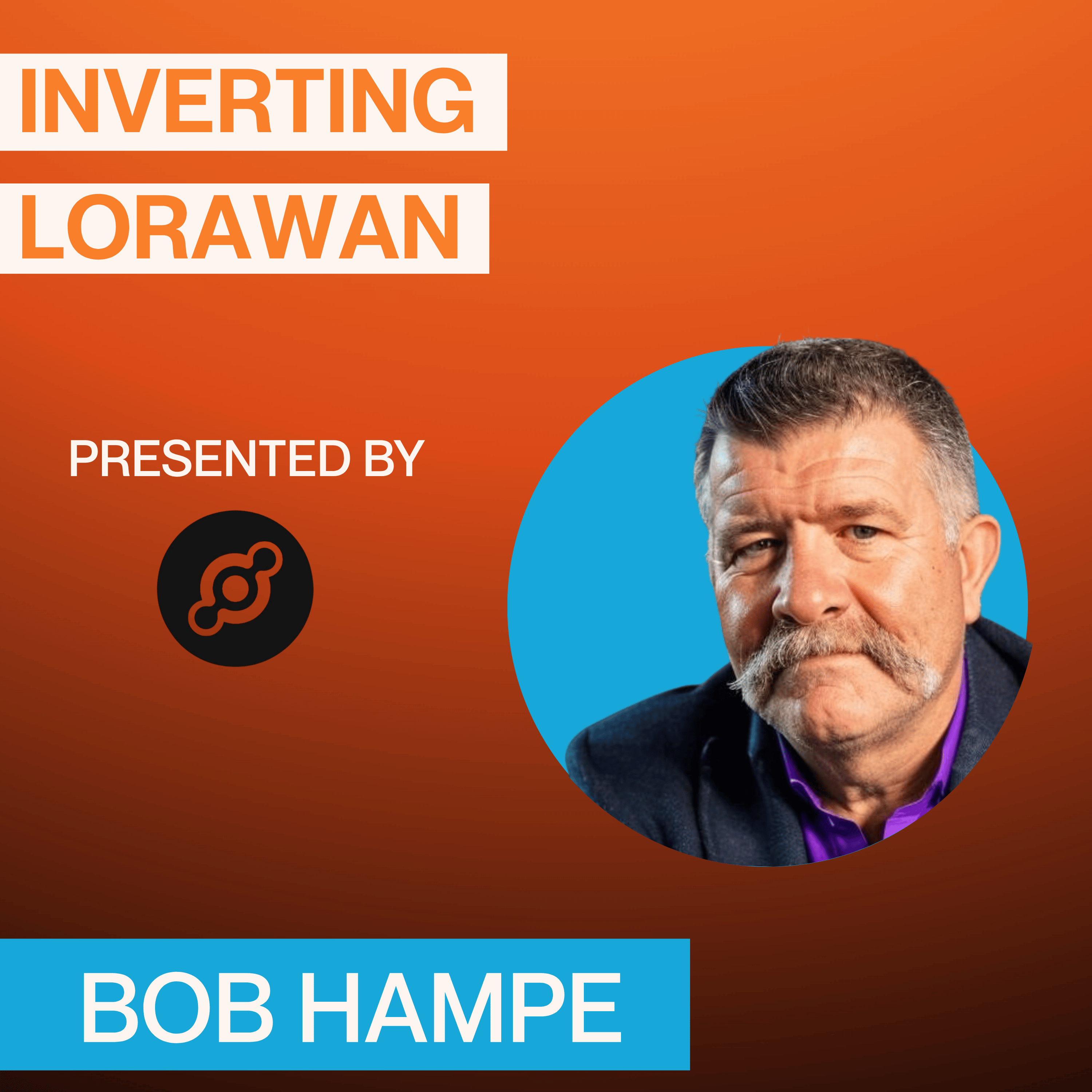
Bob Hampe walks us through how Actall is using LoRaWAN in correctional facilities for Real Time Location Systems aiming at short distance and (relatively) large bandwidth always-on applications. Basically, the opposite of what LoRaWAN was originally designed for.
This episode highlights how a group of inventive, hard-working, and smart engineers tackles a very hard problem using the technology at hand. It’s also an excellent example of capitalizing on the opportunities left behind by your biggest competitors, and Bob walks us through the software-first, then hardware transition strategy that Actall has been following.
Enjoy the show!
More About MeteoScientific & Sponsors:
- Helium Global IoT Coverage – Want to know if Helium coverage exists where you need it? Check out this map!
- Helium Foundation – The Helium Foundation’s IoT Working Group (IOTWG) has generously provided support for the first 6 months of shows, please go check them out and consider using the Helium LoRaWAN as a primary or backup on your next deployment. With over a quarter million gateways deployed worldwide, it’s likely that you have and can use Helium coverage.
- Support The Show – If you’d like to support the MetSci Show financially, here’s where you can donate on a one-time or an ongoing basis. Thank you!
- MetSci Show – If you’d like to use our IoT or AI Data Value calculators, or you’d like to contact me, the MetSci Show site is the best way to do it.
- MeteoScientific Console – Use LoRaWAN – The MeteoScientific Console allows you to use LoRaWAN today. As long as you have Helium coverage (and you probably do, about 90% of populated areas in the world have a gateway within 2 miles), you can onboard a sensor. You can always check coverage at https://explorer.helium.com and switch to the “IoT” tab in the top right.
Disclaimer
This podcast’s information is provided for general reference and was obtained from publicly accessible sources. The Podcast Collaborative neither produces nor verifies the content, accuracy, or suitability of this podcast. Views and opinions belong solely to the podcast creators and guests.
For a complete disclaimer, please see our Full Disclaimer on the archive page. The Podcast Collaborative bears no responsibility for the podcast’s themes, language, or overall content. Listener discretion is advised. Read our Terms of Use and Privacy Policy for more details.