BomBardened
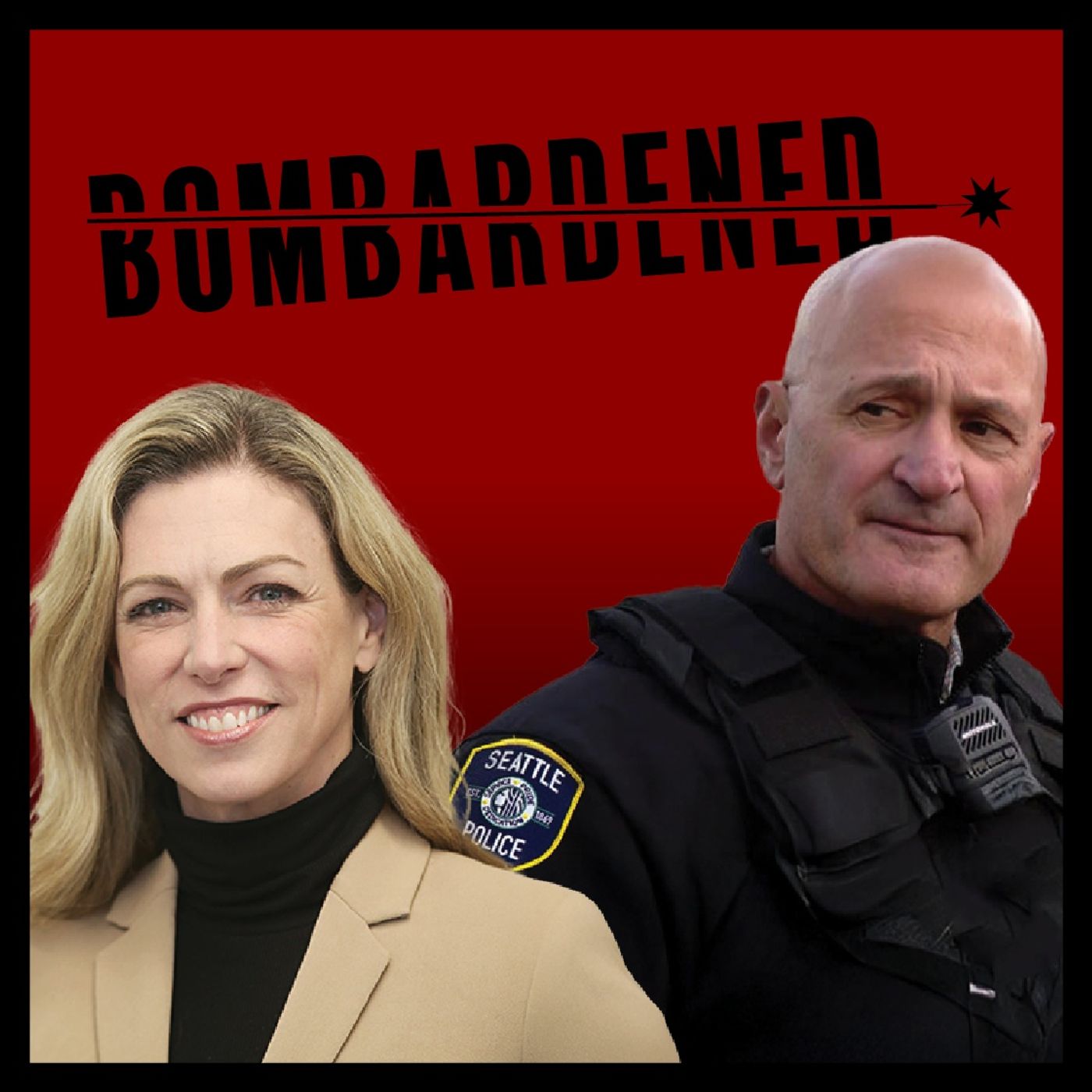
BomBardened
Podcast Description
In BomBardened, Eric Barden, a retired Deputy Chief of the Seattle Police Department, and Amy Barden, Chief of Seattle’s new third public safety department, come together—not just as professionals, but as husband and wife—to tackle some of the most pressing issues in public service and community safety and health.Eric, the enforcer with decades of boots-on-the-ground experience, and Amy, the champion of compassion and crisis response, take a constructively critical approach to big questions: Do we need more enforcement or better interventions? Is the criminal justice system designed to punish or correct? What does compassion actually look like? Why do we keep doing what doesn’t work? And why does it feel like no one’s getting it completely right?Every episode features hard-hitting debates, real-world insights, and guest experts who bring fresh takes and bold ideas. It’s not just talk; it’s a call to action for anyone who cares about creating safer, smarter communities and a return to civil discourse.So, if you’re tired of political rhetoric and excuses and ready for real talk about the messy intersection of accountability and compassion, tune in to BomBardened. You might not always agree, but you’ll definitely think.The views, information or opinions expressed on the BomBardened Podcast are solely the personal views of the individuals involved and do not represent the views of any third party. Where guests appear on the Podcast, the views expressed by such guests are solely their own. The Podcast does not accept responsibility for the views of its guests and their appearance on the Podcast does not imply an endorsement of them or any entity they represent.None of the guests or contributors to the BomBardened Podcast will be held responsible for your use of the information contained therein.
Podcast Insights
Content Themes
The podcast centers on critical themes like criminal justice reform, addiction recovery, and community accountability. Examples of episodes include discussions on effective interventions in addiction with advocates like Ginny Burton and explorations of systemic issues in mental health and homelessness, constantly questioning societal norms and practices.
In BomBardened, Eric Barden, a retired Deputy Chief of the Seattle Police Department, and Amy Barden, Chief of Seattle’s new third public safety department, come together—not just as professionals, but as husband and wife—to tackle some of the most pressing issues in public service and community safety and health.
Eric, the enforcer with decades of boots-on-the-ground experience, and Amy, the champion of compassion and crisis response, take a constructively critical approach to big questions: Do we need more enforcement or better interventions? Is the criminal justice system designed to punish or correct? What does compassion actually look like? Why do we keep doing what doesn’t work? And why does it feel like no one’s getting it completely right?
Every episode features hard-hitting debates, real-world insights, and guest experts who bring fresh takes and bold ideas. It’s not just talk; it’s a call to action for anyone who cares about creating safer, smarter communities and a return to civil discourse.
So, if you’re tired of political rhetoric and excuses and ready for real talk about the messy intersection of accountability and compassion, tune in to BomBardened. You might not always agree, but you’ll definitely think.
The views, information or opinions expressed on the BomBardened Podcast are solely the personal views of the individuals involved and do not represent the views of any third party. Where guests appear on the Podcast, the views expressed by such guests are solely their own. The Podcast does not accept responsibility for the views of its guests and their appearance on the Podcast does not imply an endorsement of them or any entity they represent.None of the guests or contributors to the BomBardened Podcast will be held responsible for your use of the information contained therein.
After multiple attempts at sobriety, he built the recovery program he wished existed.
Eric and Amy sit down with Andrew Maloof, founder of Eagle Creek Ranch Recovery, a men’s treatment center in Idaho focused on addiction recovery, mental health, and long-term healing. After battling addiction himself, Andrew now helps men rebuild their lives through community, accountability, and recovery rooted in connection.
This conversation explores addiction, faith vs. spirituality in recovery, why relapse happens, and what it really takes to break the cycle.
Disclaimer
This podcast’s information is provided for general reference and was obtained from publicly accessible sources. The Podcast Collaborative neither produces nor verifies the content, accuracy, or suitability of this podcast. Views and opinions belong solely to the podcast creators and guests.
For a complete disclaimer, please see our Full Disclaimer on the archive page. The Podcast Collaborative bears no responsibility for the podcast’s themes, language, or overall content. Listener discretion is advised. Read our Terms of Use and Privacy Policy for more details.