The Future of Finance
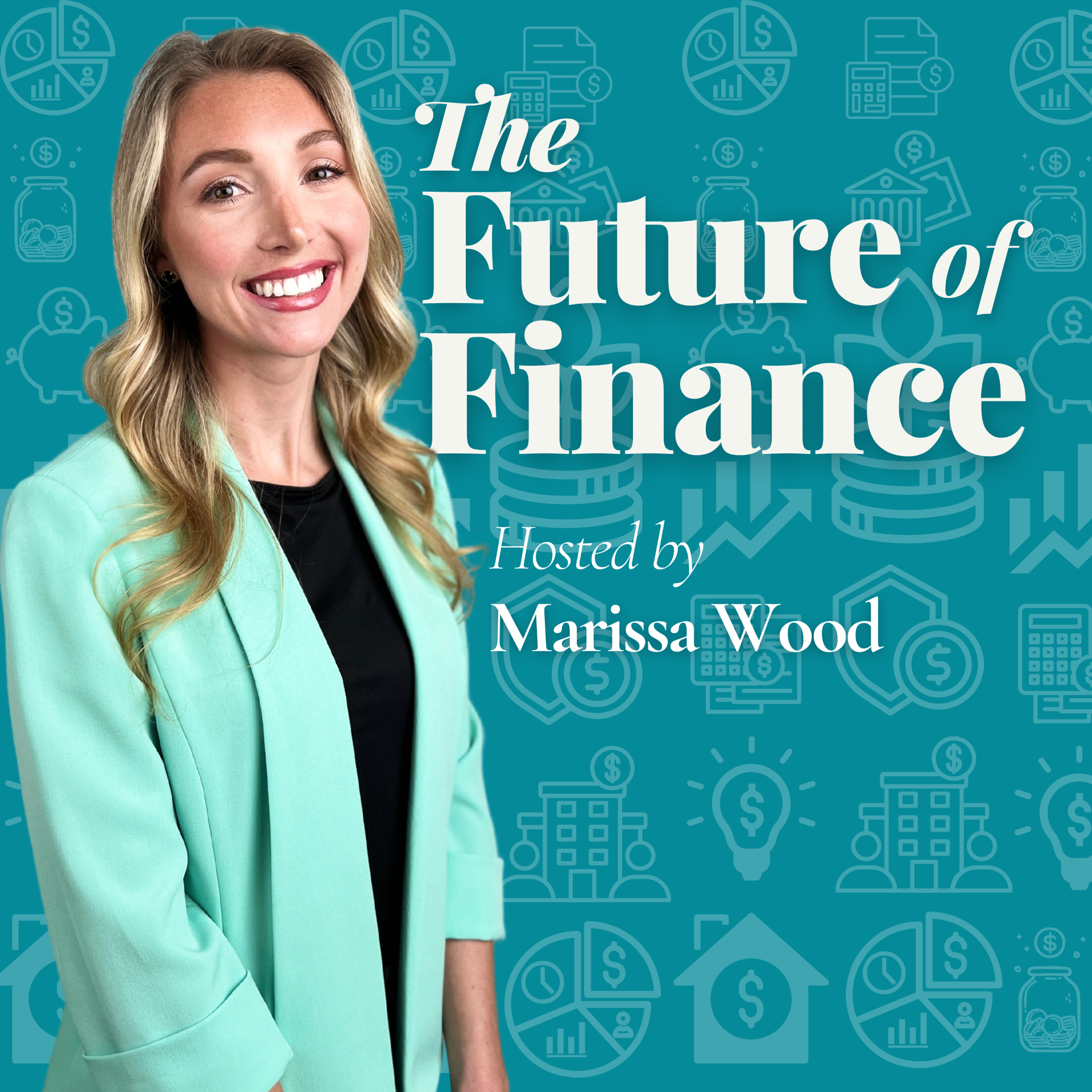
The Future of Finance
Podcast Description
Introducing The Future of Finance, a podcast hosted by our own Marissa Wood. Join us every other Thursday, where we will break down financial strategies, investment insights, and real success stories to help YOU take control of your financial future. Because financial freedom isn’t just a dream—it’s a plan. And it starts here.
Podcast Insights
Content Themes
The podcast delves into critical financial topics, including retirement planning, investment strategies, and real-life success stories. For instance, recent episodes highlight fears associated with running out of money in retirement and present actionable strategies for creating a sustainable income, such as fixed index annuities and preparing for healthcare costs.
Introducing The Future of Finance, a podcast hosted by our own Marissa Wood. Join us every other Thursday, where we will break down financial strategies, investment insights, and real success stories to help YOU take control of your financial future. Because financial freedom isn’t just a dream—it’s a plan. And it starts here.
Can you really save money, invest for retirement, and pay off credit card debt at the same time? Or should you focus on getting out of debt before doing anything else?
In this episode of The Future of Finance, Marissa Wood, financial advisor and co-owner of Union Financial Services, answers five common financial questions about saving, investing, debt management, and retirement planning.
From choosing between a traditional and Roth 401(k) to managing credit card debt after losing a job, Marissa shares practical strategies to help you take control of your finances without putting your future on hold.
She also breaks down a simple five-step approach to saving, investing, and paying off debt, explains retirement planning options for self-employed professionals, and discusses how much a household earning $200,000 a year should consider saving.
Plus, Marissa reacts to popular financial advice from Dave Ramsey about debt, financing, and the true cost of major purchases.
💰 Learn how to balance saving, investing, and paying off debt
📈Understand the difference between traditional and Roth 401(k) contributions
💳Discover options for managing credit card debt during financial hardship
🏦Explore retirement savings strategies for self-employed individuals
🎯Find out how the 60/20/20 budgeting approach works
Whether you’re working to become debt-free, building your first emergency fund, or trying to catch up on retirement savings, this episode offers a practical starting point for making progress toward multiple financial goals.
💬 Question for you:
What’s your biggest financial priority right now—paying off debt, building savings, or investing for retirement? Let us know in the comments!
👍 Like, subscribe, and share this episode with someone who’s trying to get their finances on track.
📞 Have a financial question you’d like answered?
Visithttps://union-financial.com and click Schedule a Meeting to book a complimentary phone, Zoom, or in-person consultation with the Union Financial Services team.
Have a question you’d like Marissa to cover in a future episode? Leave it in the comments!
This episode is for educational purposes only and does not constitute personalized financial, investment, or tax advice. Investment strategies involve risk, and individual circumstances vary.
#FutureOfFinance #PersonalFinance #DebtFree #RetirementPlanning #Roth401k #FinancialPlanning
⏱️ Timestamps
00:00 – Intro: Can you save, invest & pay off debt simultaneously?
00:37 – Traditional vs. Roth 401(k): Which should you choose?
02:00 – Roth 401(k) contribution limits and income advantages
03:35 – Lost your job? What to do about credit card debt
04:22 – Balance transfers and credit card hardship programs
06:01 – The five-step plan to save, invest & pay off debt
07:07 – Paying off high-interest debt first
07:35 – Why you should contribute enough to get your 401(k) match
08:28 – Building a 3–6 month emergency fund
10:12 – Retirement planning for self-employed business owners
13:21 – How much should a $200K household save each month?
15:51 – Dave Ramsey reaction: The real cost of financing purchases
Disclaimer
This podcast’s information is provided for general reference and was obtained from publicly accessible sources. The Podcast Collaborative neither produces nor verifies the content, accuracy, or suitability of this podcast. Views and opinions belong solely to the podcast creators and guests.
For a complete disclaimer, please see our Full Disclaimer on the archive page. The Podcast Collaborative bears no responsibility for the podcast’s themes, language, or overall content. Listener discretion is advised. Read our Terms of Use and Privacy Policy for more details.