Your Doctor Wants to Quit

Your Doctor Wants to Quit
Podcast Description
Dr. Joy Evers MD MPH (nee Hardison) interviews doctors, other healthcare professionals, and patients to explore challenges in our healthcare system that make it hard to practice medicine and hard to be a patient. By working together, we can fix healthcare for all of us!
Podcast Insights
Content Themes
Focuses on healthcare system challenges, ethical considerations, and patient-doctor dynamics with episodes covering topics like physician autonomy, the role of AI in medicine, and community engagement, offering listeners insights on both systemic issues and individual experiences.
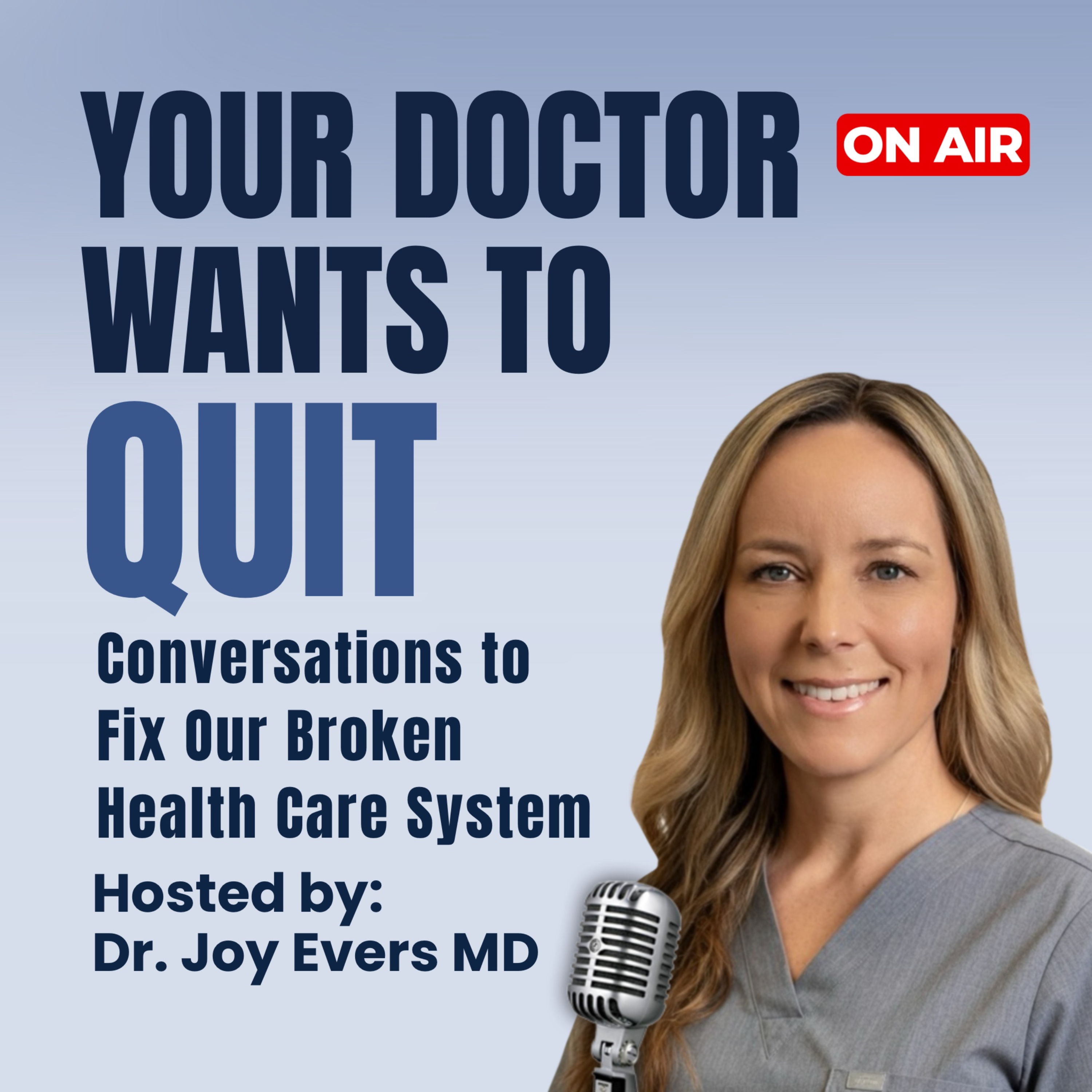
Dr. Joy Evers MD MPH (née Hardison) interviews doctors, other health care professionals, and patients to explore challenges in our health care system that make it hard to practice medicine and hard to be a patient. By working together, we can fix health care for all of us!
In this episode I interview Dr. Nathan Hammel, a board-certified orthopedic surgeon with fellowship training in orthopedic oncology – and now he does utilization review for insurance companies.
I've spent my career in primary care fighting denials. He's worked on both sides of the desk — submitting his own prior authorizations and evaluating appeals of other doctors' denied insurance claims. That's what made me want to talk to him.
If you're a patient, this is a look behind a process that usually happens invisibly. Why the delay happens. What's actually being evaluated. Why your doctor sometimes can't get you the test they already know you need — and what you can do about it. We also talk about why an MRI can cost $230 in cash and thousands through insurance, and why knowing that in advance changes how people choose their care.
If you're a physician, Dr. Hammel explains what reviewers look for and where strong requests fall apart, which is useful whether or not you land where he does. He argues utilization review grew out of how fee-for-service incentives shape behavior across the profession. I push back — most of what my practice fights over is medications, imaging, and labs, none of which we profit from ordering. We also get into what's happened to Medicare reimbursement since 1999, the squeeze on independent practice, and what consolidation elsewhere in health care suggests about where medicine is headed.
What comes through is that he'd rather this system didn't exist. He closes with a proposal: an audit-based model that would exempt physicians with strong guideline compliance from prior authorization altogether — and shrink the industry he works in.
Disclaimer
This podcast’s information is provided for general reference and was obtained from publicly accessible sources. The Podcast Collaborative neither produces nor verifies the content, accuracy, or suitability of this podcast. Views and opinions belong solely to the podcast creators and guests.
For a complete disclaimer, please see our Full Disclaimer on the archive page. The Podcast Collaborative bears no responsibility for the podcast’s themes, language, or overall content. Listener discretion is advised. Read our Terms of Use and Privacy Policy for more details.