Unwritten Law
Unwritten Law
Podcast Description
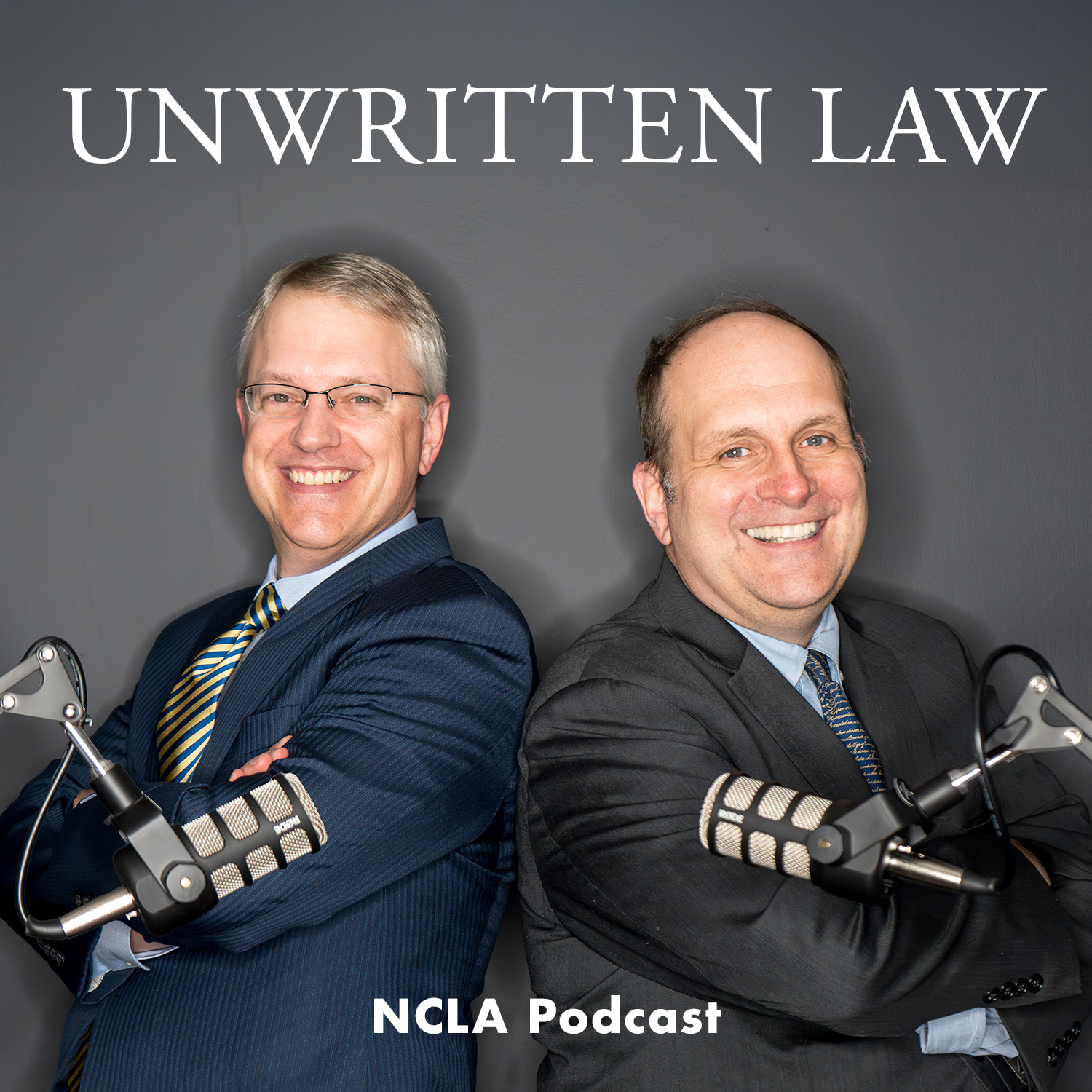
Unwritten Law is a podcast hosted by Mark Chenoweth and John Vecchione, brought to you by the New Civil Liberties Alliance (NCLA). This show dives deep into the world of unlawful administrative power, exposing how bureaucrats operate outside the bounds of written law through informal guidance, regulatory “dark matter,” and unconstitutional agency overreach.
Podcast Insights
Content Themes
The podcast focuses on topics related to administrative law, constitutional rights, and legal challenges against government overreach. Episodes cover themes such as the constitutionality of vaccine mandates, the IRS's warrantless searches of financial records, and the implications of a case against the National Park Service’s regulations. Specific episode examples include discussions on Health Freedom Defense Fund v. Carvalho, Harper v. IRS, and the implications of Loper Bright and Relentless rulings on agency power.
Every day, unelected federal agencies make decisions that affect your job, your business, your speech, your property, and your constitutional rights—often without Congress ever voting on them. From the rules that govern small businesses to the regulations that shape everyday life, the modern administrative state reaches further than most Americans realize.
On Unwritten Law, constitutional lawyers Mark Chenoweth and John Vecchione break down the biggest legal battles involving federal agencies, government overreach, and the Constitution. Each episode explores real cases challenging the expanding power of the administrative state, explaining how these disputes affect ordinary Americans, businesses, and the future of limited government.
Whether the topic is the Supreme Court, free speech, property rights, due process, jury trials, executive power, or the separation of powers, Unwritten Law explains the legal issues behind today’s biggest constitutional debates in clear, accessible language. You’ll hear directly from the attorneys litigating landmark cases, as well as clients whose lives and livelihoods have been changed by unlawful government action.
Produced by the New Civil Liberties Alliance (NCLA), Unwritten Law takes listeners behind the headlines to explain how federal agencies exercise regulatory power, how constitutional challenges move through the courts, and why these cases matter—even if you’ve never stepped inside a courtroom.
If you’ve ever wondered who really writes the rules that govern your life, why unelected bureaucrats hold so much authority, or how the Constitution protects individual liberty, Unwritten Law will give you the context, the legal insight, and the real-world stories behind today’s most important fights for civil liberties.
Whether you’re a lawyer, business owner, public servant, student, or simply someone who wants to better understand how government power affects everyday life, Unwritten Law gives you the legal insight behind the headlines—and the constitutional principles that protect individual liberty.
Subscribe each week for conversations about Supreme Court litigation, constitutional law, the administrative state, federal agencies, government accountability, civil liberties, free speech, property rights, due process, separation of powers, regulatory power, and the legal battles shaping the future of American government.
What happens when a federal agency publicly declares a product unsafe—but can’t adequately explain the evidence behind that declaration?
NCLA has secured an important ruling for Dreamland Baby Company in its challenge to the Consumer Product Safety Commission.
On this episode of Unwritten Law, NCLA President and Chief Legal Officer Mark Chenoweth is joined by Senior Litigation Counsel Kara McKenna Rollins to discuss the latest decision in Dreamland Baby Company v. Consumer Product Safety Commission.
Dreamland makes weighted infant sleep products. CPSC publicly warned consumers against using such products, a declaration with potentially devastating consequences for a company selling products for babies. Dreamland challenged the agency, arguing that its statements were inaccurate and misleading and weren’t supported by the available data.
The agency fought to prevent judicial review of its action. The court rejected that position. And when it examined what CPSC had actually considered, it found the record insufficient to evaluate the agency’s decision and sent the matter back to CPSC for further consideration.
Mark and Kara discuss what the ruling means for Dreamland, why agencies shouldn’t be able to sidestep statutory procedures through public warnings, and why government safety pronouncements should be grounded in transparent evidence and data.
Disclaimer
This podcast’s information is provided for general reference and was obtained from publicly accessible sources. The Podcast Collaborative neither produces nor verifies the content, accuracy, or suitability of this podcast. Views and opinions belong solely to the podcast creators and guests.
For a complete disclaimer, please see our Full Disclaimer on the archive page. The Podcast Collaborative bears no responsibility for the podcast’s themes, language, or overall content. Listener discretion is advised. Read our Terms of Use and Privacy Policy for more details.