The Journalism of Everything Podcast
The Journalism of Everything Podcast
Podcast Description
Have you ever wondered if birth order determines one's personality? Or if we know what happens in our brains when we have deja vu? Have you thought about the rights undocumented immigrants have? Does capitalism improve healthcare innovation?
The Journalism of Everything Podcast takes curiosity to another level. Host Darisse Smith is an experienced freelance journalist that brings research, expert interviews, and thoughtfulness to a wide array of topics. Let's go beyond a Google search and find out about everything!
Podcast Insights
Content Themes
The podcast explores a wide range of topics including legal justice, immigration policies, cultural phenomena, and historical curiosities with episodes like the discussion on vigilante justice featuring Professor Jon Michaels and immigration issues with attorney Rekha Sharma-Crawford, highlighting societal implications and regulatory nuances.
Have you ever wondered if birth order determines one’s personality? Or if we know what happens in our brains when we have deja vu? Have you thought about the rights undocumented immigrants have? Does capitalism improve healthcare innovation?
The Journalism of Everything Podcast takes curiosity to another level. Host Darisse Smith is an experienced freelance journalist that brings research, expert interviews, and thoughtfulness to a wide array of topics. Let’s go beyond a Google search and find out about everything!
Before Iran became one of America’s greatest geopolitical rivals, it was one of its closest allies.
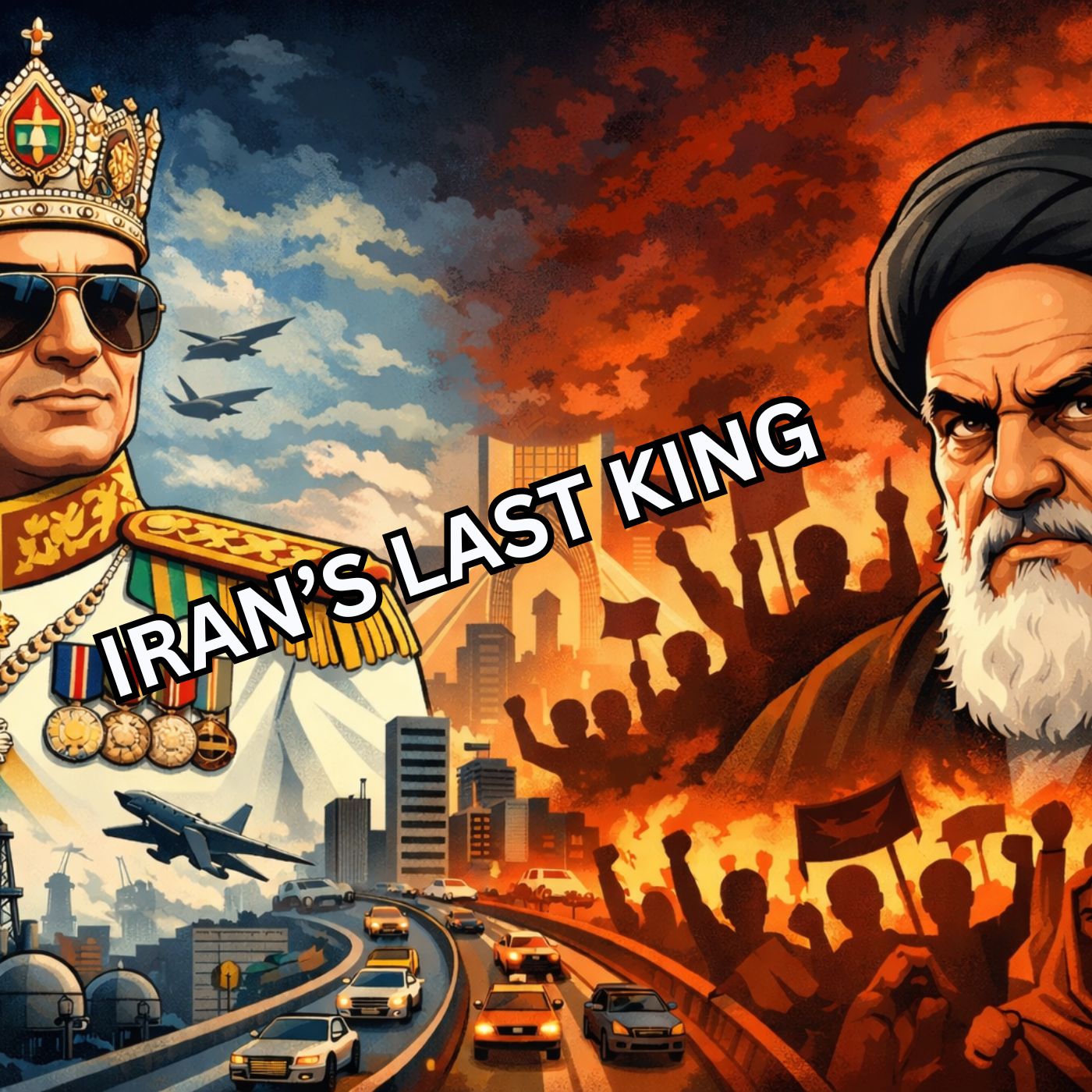
From 1941 to 1979, Mohammad Reza Pahlavi, the last Shah of Iran, attempted to transform the country into a powerful, modern state. His ambitious reforms brought massive infrastructure projects, rapid industrialization, expanded education, and new rights for women. Fueled by booming oil revenues, Iran’s economy grew at one of the fastest rates in the world during the 1960s and 1970s.
But modernization came with unintended consequences.
Land reforms displaced rural farmers, religious leaders lost power and influence, urban populations exploded, and economic inequality grew. Meanwhile, the Shah increasingly relied on authoritarian tactics to suppress political opposition.
By the late 1970s, resentment was building across Iranian society—from clerics and bazaar merchants to students and intellectuals.
In this episode of The Journalism of Everything Podcast, host Darisse Smith explores how the Shah’s modernization project reshaped Iran—and how it helped ignite the revolution that would ultimately overthrow him.
In the next episode, we’ll examine the rise of Ruhollah Khomeini and the revolution that fundamentally transformed Iran and its relationship with the United States.
History rarely begins where we think it does.
#IranHistory
#IranianRevolution
#MohammadRezaPahlavi
#MiddleEastHistory
#ColdWarHistory
#Geopolitics
#WorldHistory
#JournalismPodcast
#HistoryPodcast
#TheJournalismOfEverything
Disclaimer
This podcast’s information is provided for general reference and was obtained from publicly accessible sources. The Podcast Collaborative neither produces nor verifies the content, accuracy, or suitability of this podcast. Views and opinions belong solely to the podcast creators and guests.
For a complete disclaimer, please see our Full Disclaimer on the archive page. The Podcast Collaborative bears no responsibility for the podcast’s themes, language, or overall content. Listener discretion is advised. Read our Terms of Use and Privacy Policy for more details.