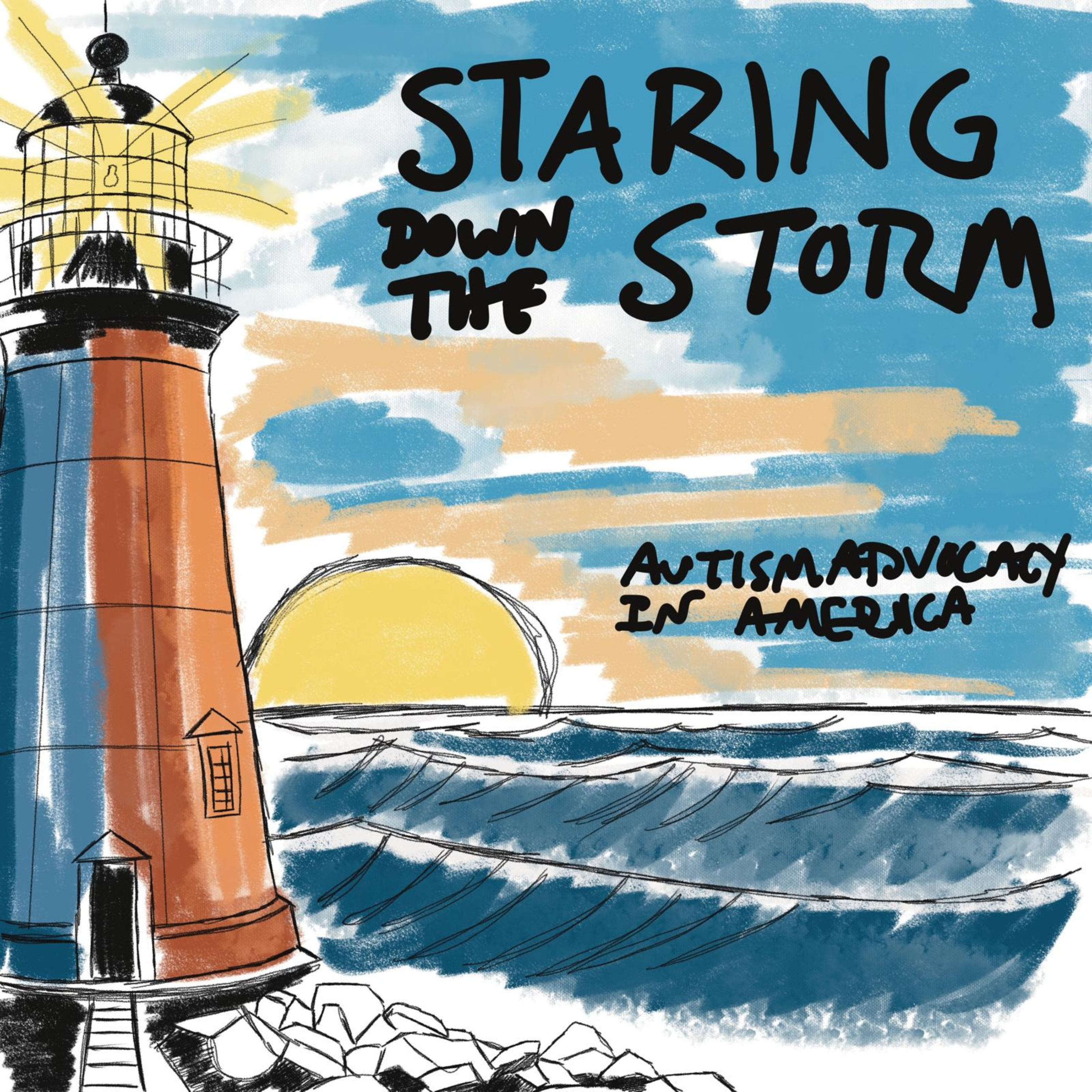
Staring Down the Storm: Autism Advocacy in America

Staring Down the Storm: Autism Advocacy in America
Podcast Description
A fiery, truth-packed podcast filled with people doing the work in the trenches for autism and neurodiversity advocacy.
These everyday heroes are leading the way for the next generation. At a time when so much is at stake, ordinary individuals rise up to fill the inequalities in our society.
Join us in our struggles and triumphs while trying to provide resources, access, and programs for all. We welcome you to the fight.
Podcast Insights
Content Themes
The podcast explores vital topics such as medical complexities related to autism, advocacy strategies, and community inclusion with episodes discussing personal stories like navigating Medicaid for families and emphasizing individuality in autism. Specific episodes highlight the role of early intervention and available community resources while showcasing personal challenges and triumphs.
Tabitha Zeigler hosts a fiery, truth-packed podcast filled with people doing the work in the trenches for autism and neurodiversity advocacy.
These everyday heroes are leading the way for the next generation. At a time when so much is at stake, ordinary individuals rise up to fill the inequalities in our society.
Join us in our struggles and triumphs while trying to provide resources, access, and programs for all.
We welcome you to the fight.
Learn more at https://staringdownthestorm.com
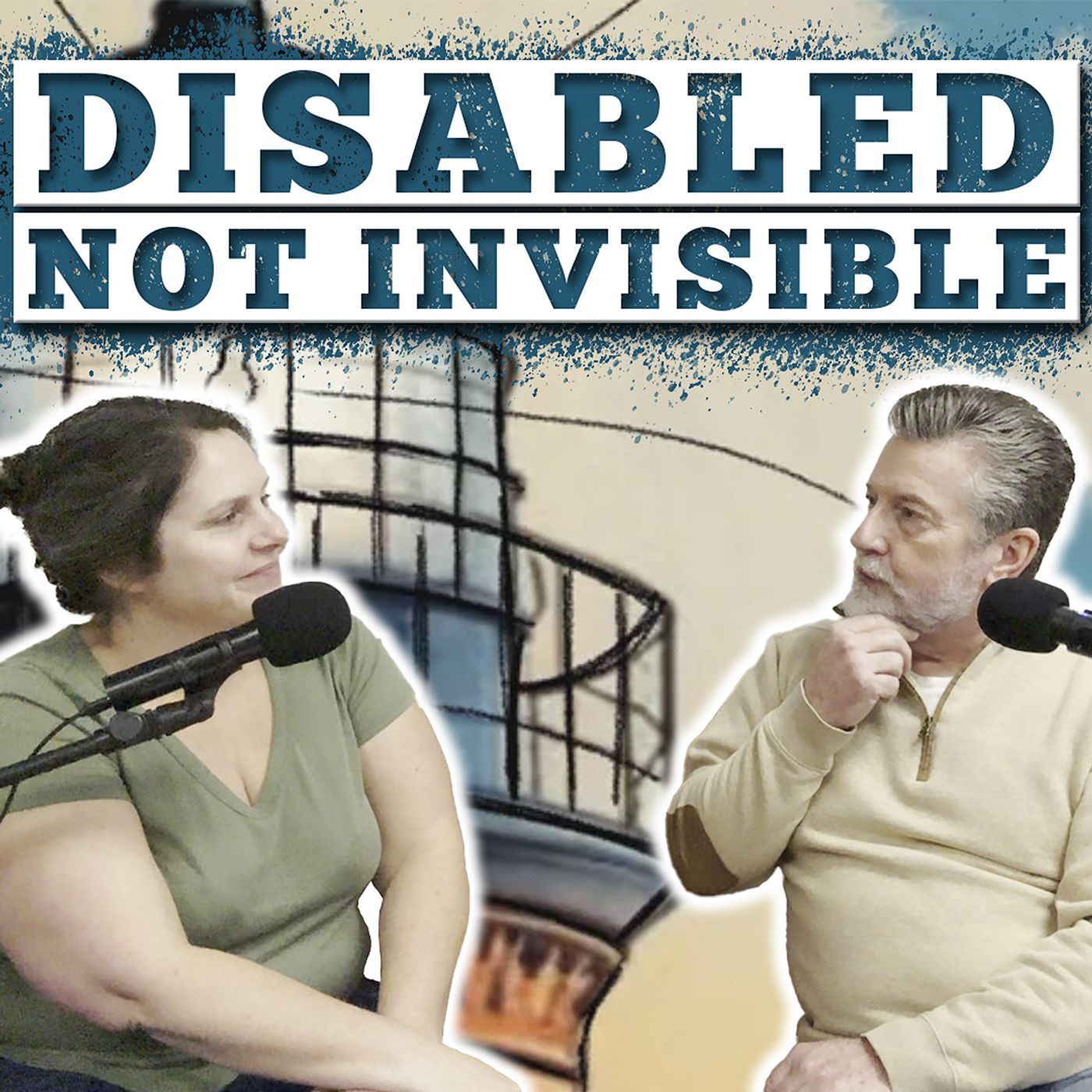
I sat down with Dr. Stuart Jones to talk about For the Love of Stephen — but this conversation is bigger than one book. It’s about who we decide is fully human. When Stuart’s brother Stephen was born in 1954, his parents were told to institutionalize him. Put him away. Out of sight, out of mind. They refused. And that decision shaped generations.
With the powerful endorsement of Temple Grandin — who reminds us that “different is not less” — we dug into what authentic advocacy actually looks like. It’s not pity. It’s not performative inclusion. It’s asking a radical question: What if he can? What if we stopped obsessing over limitations and started building opportunities? Early intervention matters. Celebrating small milestones matters. And shaming parents? It’s useless and cruel.
But let’s talk about the part that makes people uncomfortable. Why are disabled individuals always the last to the table when funding is allocated — and often the first to lose their seat? Who decided their lives were worth less? Legislators? Budget committees? The almighty dollar?
Stuart’s brother, Stephen, didn’t have a disability as much as he had an invisibility. All he ever wanted was to be included. If we claim to value diversity, faith, and human dignity — do our policies reflect that? Or are we still hiding behind polite language while pushing people to the margins?
Find more info on Dr. Stuart Jones below:
Buy For the Love of StephenHERE
Learn more about topics discussed in this episode:
Temple Grandin Documentary
https://www.templegrandindocumentary.com/
Contact Tabitha:
Chapters
00:00 Introduction to Autism Advocacy
02:53 The Journey of Writing ‘For the Love of Stephen’
08:55 Historical Perspectives on Autism and Disability
14:56 Navigating Challenges and Misunderstandings
21:12 Milestones and Celebrations in Autism Advocacy
39:20 Advocacy and the Fight for Rights
46:40 The Power of Representation in Legislation
55:05 The Importance of Context in Storytelling
57:00 Connecting Personal History to Broader Narratives
01:08:00 Learning from Painful Conversations
01:19:52 The Church’s Responsibility to the Disabled Community
Disclaimer
This podcast’s information is provided for general reference and was obtained from publicly accessible sources. The Podcast Collaborative neither produces nor verifies the content, accuracy, or suitability of this podcast. Views and opinions belong solely to the podcast creators and guests.
For a complete disclaimer, please see our Full Disclaimer on the archive page. The Podcast Collaborative bears no responsibility for the podcast’s themes, language, or overall content. Listener discretion is advised. Read our Terms of Use and Privacy Policy for more details.