Divorce Diaries: Lessons From the Trenches

Divorce Diaries: Lessons From the Trenches
Podcast Description
Welcome to Divorce Diaries, where host Cary Jacobson, attorney and mediator brings you real stories, hard truths, and practical advice on navigating divorce and family law. Whether you're going through it, considering it, or just curious, this is your place for clarity, confidence, and resilience.
Podcast Insights
Content Themes
The podcast covers a variety of themes related to divorce, including child custody, financial management, emotional healing, and co-parenting. Specific episodes include insights on understanding child custody arrangements, navigating financial clarity in divorce, and emotional support strategies for women dealing with divorce, emphasizing practical solutions like mediation and creative problem-solving.
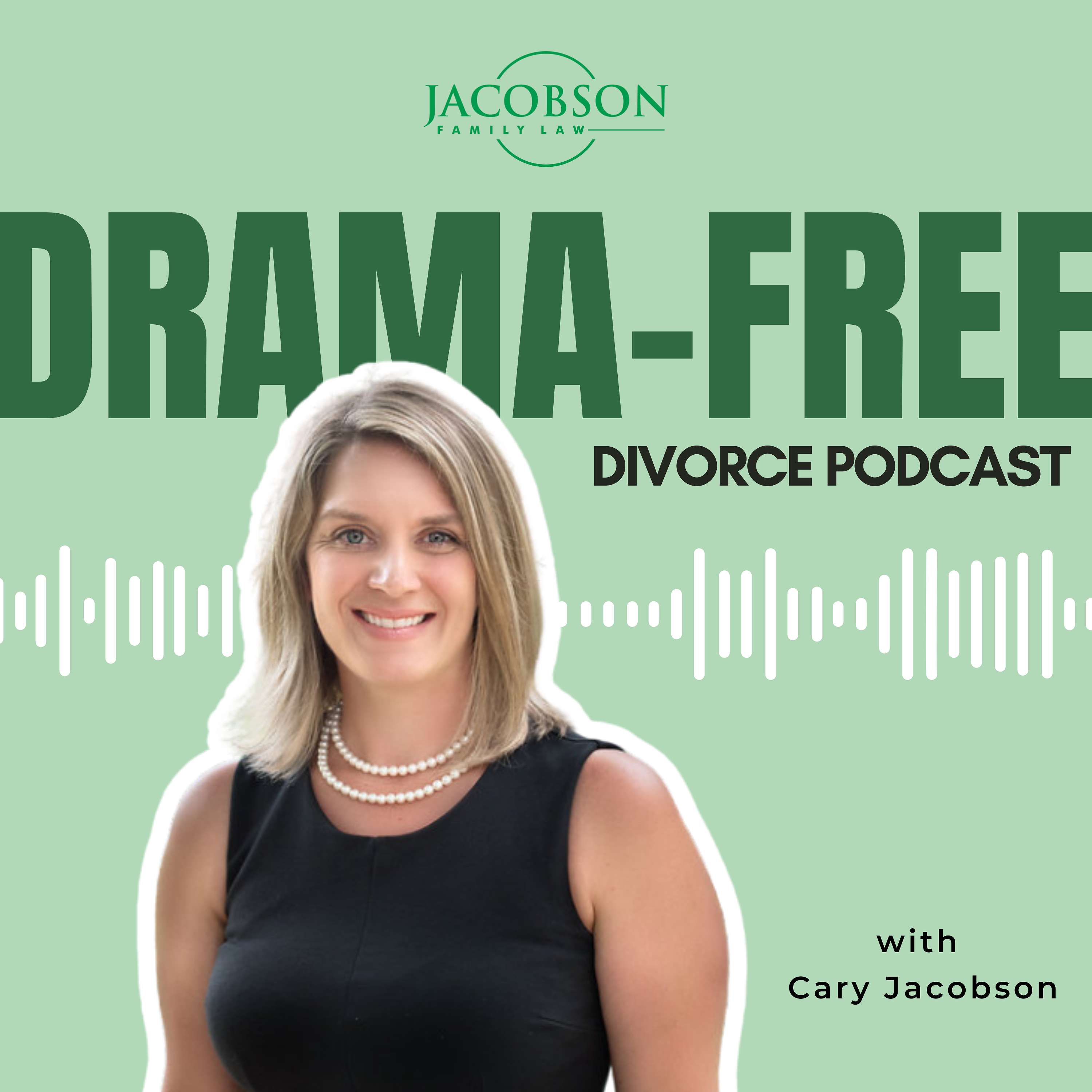
Hosted by attorney and mediator Cary Jacobson, the Drama-Free Divorce Podcast brings you practical guidance, real conversations, and expert insights to help you navigate divorce with clarity, confidence, and less conflict.
Each week, we break down the emotional, financial, and legal challenges of divorce and co-parenting, without the chaos. Through interviews with industry professionals, personal stories, and step-by-step strategies, you’ll learn how to protect your peace, communicate effectively, and make informed decisions that support your future.
Whether you’re considering divorce, in the middle of it, or rebuilding afterward, this podcast is your supportive guide to a calmer, more empowered path forward.
New episodes weekly. Tune in for tools, tips, and conversations that put your family’s well-being first.
In Maryland, a judge cannot order you or your co-parent to pay for college. Child support ends at 18 — or 19 if your child is still in high school. After that, the only thing obligating anyone to pay tuition is what the two of you put in writing during your divorce.
Which means the agreement you sign today is the entire mechanism. And most of them are drafted without anyone looking at how financial aid actually works.
This week Cary sits down with Brian Eyster, founder of the G.R.A.D. Process, who has spent 27 years helping families pay for college without raiding their retirement.
In this episode:
- Why two households usually doesn’t mean more aid
- The FAFSA rule that changed — it’s no longer the custodial parent who files, it’s the parent who provided the greater share of financial support over the prior 12 months
- Why a parent can have primary physical custody and still not be the one filing
- How a new spouse’s income and assets land on the form, and why a prenup doesn’t change that
- What happened to the sibling discount, and why two kids in college no longer works the way parents remember
- The CSS Profile, and why private colleges can demand information from the parent who isn’t filing
- How 529 ownership, who keeps the house, and who claims the child on taxes change the aid picture years later
- What Cary writes into college provisions: defining what “college expenses” covers, capping contribution at the in-state Maryland public rate, and planning for a gap year, a transfer, or part-time enrollment
The through-line: the college conversation belongs in the divorce, not five years after it. Once the agreement is signed, your options narrow considerably.
📘 Free guide: 25 Ways to Save on a Divorce from Divorce Professionals — https://stan.store/JacobsonFamilyLaw/p/25-expert-tips-from-divorce-lawyers-to-save-you–3urx548k
🎙️ About our guest: Brian Eyster is the founder of the G.R.A.D. Process. Learn more at www.essentialstrategies.net
⚖️ Need legal guidance or mediation? We serve families across Maryland, DC and Virginia, and our mediation is fully virtual. Book a consultation: https://jacobsonfamilylaw.com/contact/
Visit jacobsonfamilylaw.com to learn more.
Visit jacobsonworkshop.com to learn more.

Disclaimer
This podcast’s information is provided for general reference and was obtained from publicly accessible sources. The Podcast Collaborative neither produces nor verifies the content, accuracy, or suitability of this podcast. Views and opinions belong solely to the podcast creators and guests.
For a complete disclaimer, please see our Full Disclaimer on the archive page. The Podcast Collaborative bears no responsibility for the podcast’s themes, language, or overall content. Listener discretion is advised. Read our Terms of Use and Privacy Policy for more details.