The Global Hustle

The Global Hustle
Podcast Description
Our conversations dive into the individual experiences of young professionals worldwide.
Each episode includes an interview with someone from another country to learn about their career goals.
About the host:
Sergio Lewis is trained in linguistics, human geography, and global business. With professional experience in international education and workforce development, he draws unique cultural insights from the guests he interviews.
If you enjoy listening to this podcast and want to support the production of future episodes, consider donating here: ko-fi.com/theglobalhustle
Podcast Insights
Content Themes
The podcast covers a variety of topics including career development, gender dynamics, entrepreneurship, and personal growth. Example episodes feature discussions on software engineering challenges faced by women, the impact of digital marketing on business growth in Ethiopia, and building careers amid crises like war, highlighting the resilience and aspirations of young professionals globally.
Sharing stories of innovators, entrepreneurs, and ambitious professionals from around the world. We interview working professionals across various fields, including healthcare, technology, government, fashion, education, and more. Host Sergio Lewis leverages 15 years of experience in international education and workforce development to capture insights for globally invested organizations and individuals.
Interested in workforce intelligence for a specific market? Contact Sergio at [email protected] for custom research consulting.
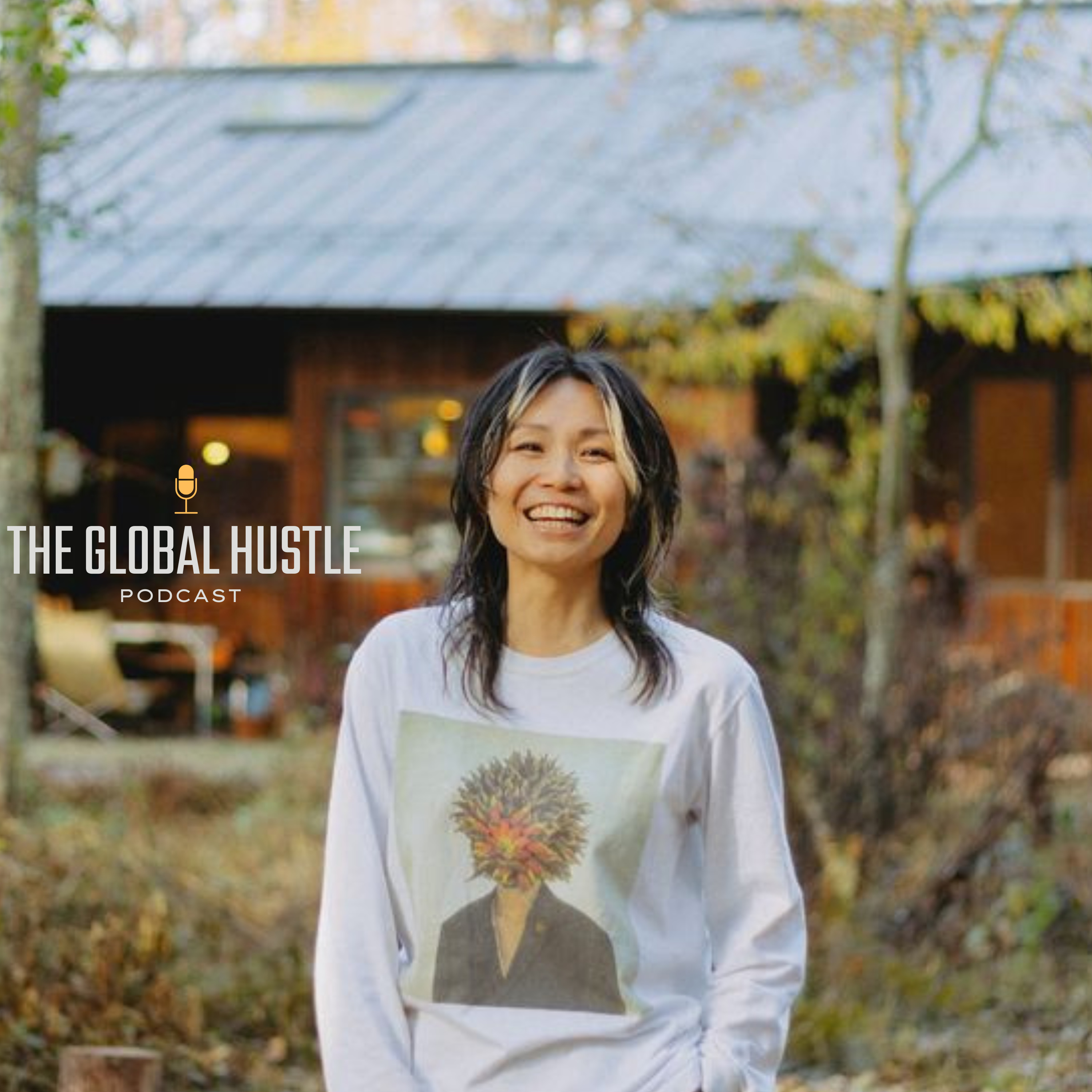
Satoko Fujioka isn’t a doctor. She has no medical license, no clinical training, and no formal qualification to run a healthcare facility. But in Nagano Prefecture, Japan, she built Hotch-no Lodge, a home healthcare clinic and community hub that’s redefining what elderly and end-of-life care can look like.
Her motivation traces back to watching her father, a physician who saved countless lives, get treated as “weak” and “pitiable” once he was diagnosed with cancer. She was ten years old. That experience shaped a simple but radical operating principle: focus on a person’s possibility, not their limitations, all the way to the end of life.
At Hotch-no Lodge, patients cook, play instruments, tend the surrounding forest, and share meals with volunteers and staff, regardless of age or condition. In this conversation, Satoko explains why she deliberately rejects the tech-and-robotics approach much of the world is taking toward elder care, how she recruits caregivers in a country facing a severe healthcare labor shortage, and why finding the right project partner mattered more than any credential she doesn’t have.
Japan has the world’s oldest population. Satoko argues the rest of the world isn’t far behind, and the way we treat aging now is a preview of what’s coming for all of us.
Disclaimer
This podcast’s information is provided for general reference and was obtained from publicly accessible sources. The Podcast Collaborative neither produces nor verifies the content, accuracy, or suitability of this podcast. Views and opinions belong solely to the podcast creators and guests.
For a complete disclaimer, please see our Full Disclaimer on the archive page. The Podcast Collaborative bears no responsibility for the podcast’s themes, language, or overall content. Listener discretion is advised. Read our Terms of Use and Privacy Policy for more details.