Global Power Shifts

Global Power Shifts
Podcast Description
The world is changing rapidly, driven by advances in technology, globalization, and demographic shifts. Hosted by journalist Jim Stenman—whose work has appeared on CNN, BBC, Al Jazeera English, and Reuters—this podcast explores the forces shaping our future. Each episode dives deep into the people, stories, and trends driving change, examining their impact on individuals, businesses, and societies. With expert insights and real-world perspectives, the series equips listeners with the knowledge to navigate our evolving world and predict what tomorrow might look like.
Podcast Insights
Content Themes
The podcast explores a range of themes including technology, politics, and globalization, with episodes dissecting topics such as the EU's lag in AI innovation, the implications of Donald Trump's potential policy changes on global diplomacy, and the impact of geopolitical tensions like the Ukraine conflict, offering expert insights and real-world applications.
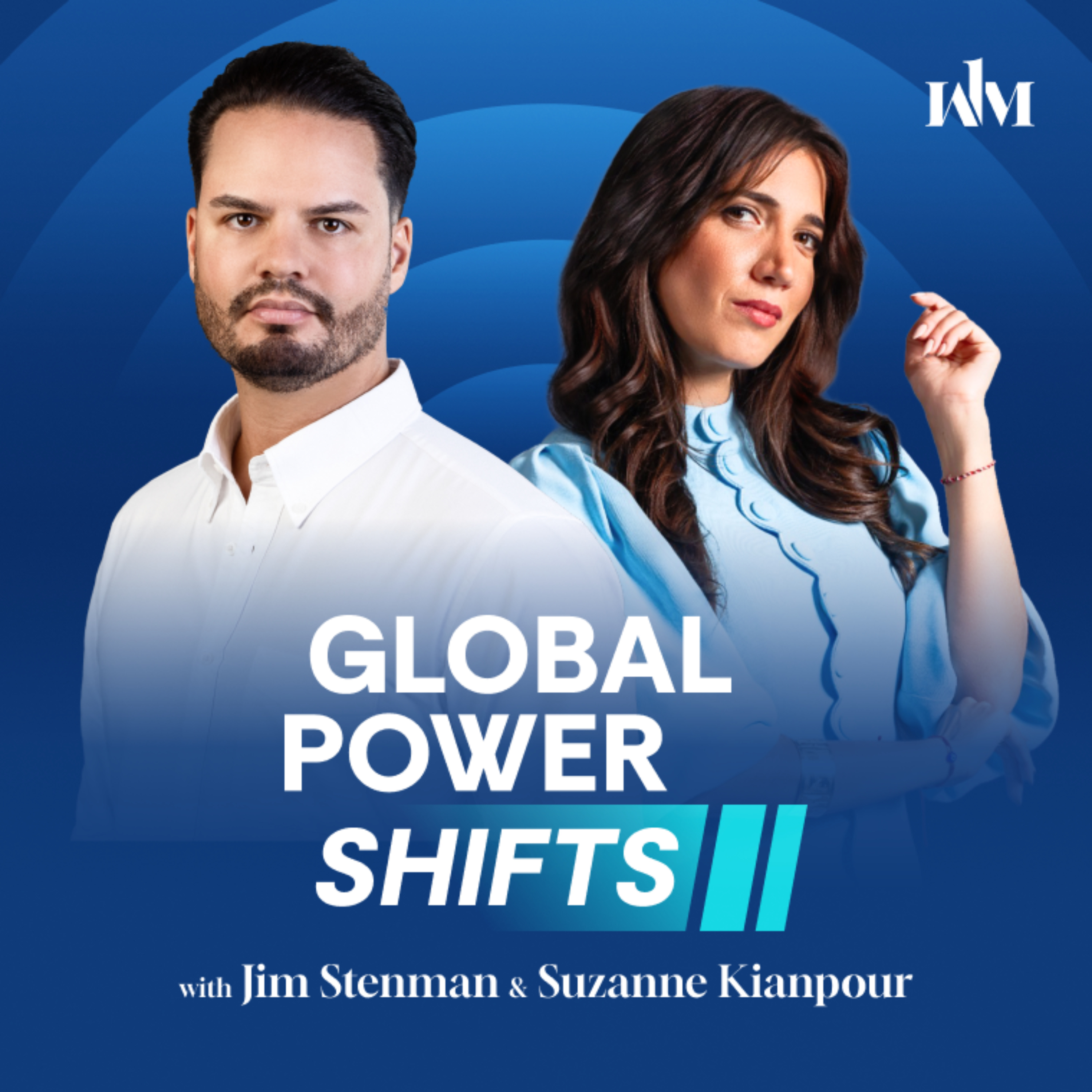
Global Power Shifts is about the new multipolar world — and the rise of the rest. Journalists Jim Stenman and Suzanne Kianpour (CNN, BBC, NBC, Fox News, Reuters) speak with the people who set policy, not just comment on it. Previous guests include sitting and former ministers, ambassadors, and security chiefs offering unvarnished views on energy, sanctions, tech sovereignty, maritime chokepoints, information ops, and statecraft. It’s decoding a changing world — how power is moving beyond a single center, and what that means for governments, markets, and daily life.
A seven-group coalition, including the TPLF, has declared war on Abiy Ahmed's government. Tigrayan forces have seized regional airports and are pushing toward the Djibouti trade corridor. Addis Ababa has accused Eritrea, Egypt and Sudan of backing the alliance.Cameron Hudson spent years inside the CIA's Africa directorate and later served as Chief of Staff to the US Special Envoys for Sudan. He now runs 54 Advisors and called the collapse of the Pretoria peace deal months before it happened.Jim Stenman sat down with him about a week into the fighting to ask who gains if Ethiopia breaks apart and whether Washington has any leverage left. They also get into whether Abiy still controls the country he governs.00:00 Cold Open00:29 Welcome Back to Global Power Shifts01:22 A Week Into the Fighting03:02 Why the Pretoria Agreement Finally Broke07:02 The Ingredients for a Regional War08:58 Eritrea, Washington and the New Rules of Engagement13:53 Evidence of Egypt and Eritrea's Involvement15:58 Is Abiy Still in Control?18:39 What Leverage Does the West Have Left?22:37 What Cameron Is Watching NextGlobal Power Shifts is a geopolitics podcast hosted by Jim Stenman and Suzanne Kianpour, covering the new multipolar world through conversations with the people who set policy.Watch more: https://jimstenman.com/global-power-shifts/Listen on Spotify: https://open.spotify.com/show/1T2CsAK4983mRNmZPfApRyListen on Apple Podcasts: https://podcasts.apple.com/gb/podcast/global-power-shifts/id1791326929#Ethiopia #Tigray #Geopolitics #HornOfAfrica #CIARecorded September 29, 2026.
Disclaimer
This podcast’s information is provided for general reference and was obtained from publicly accessible sources. The Podcast Collaborative neither produces nor verifies the content, accuracy, or suitability of this podcast. Views and opinions belong solely to the podcast creators and guests.
For a complete disclaimer, please see our Full Disclaimer on the archive page. The Podcast Collaborative bears no responsibility for the podcast’s themes, language, or overall content. Listener discretion is advised. Read our Terms of Use and Privacy Policy for more details.