Global Power Shifts

Global Power Shifts
Podcast Description
The world is changing rapidly, driven by advances in technology, globalization, and demographic shifts. Hosted by journalist Jim Stenman—whose work has appeared on CNN, BBC, Al Jazeera English, and Reuters—this podcast explores the forces shaping our future. Each episode dives deep into the people, stories, and trends driving change, examining their impact on individuals, businesses, and societies. With expert insights and real-world perspectives, the series equips listeners with the knowledge to navigate our evolving world and predict what tomorrow might look like.
Podcast Insights
Content Themes
The podcast explores a range of themes including technology, politics, and globalization, with episodes dissecting topics such as the EU's lag in AI innovation, the implications of Donald Trump's potential policy changes on global diplomacy, and the impact of geopolitical tensions like the Ukraine conflict, offering expert insights and real-world applications.
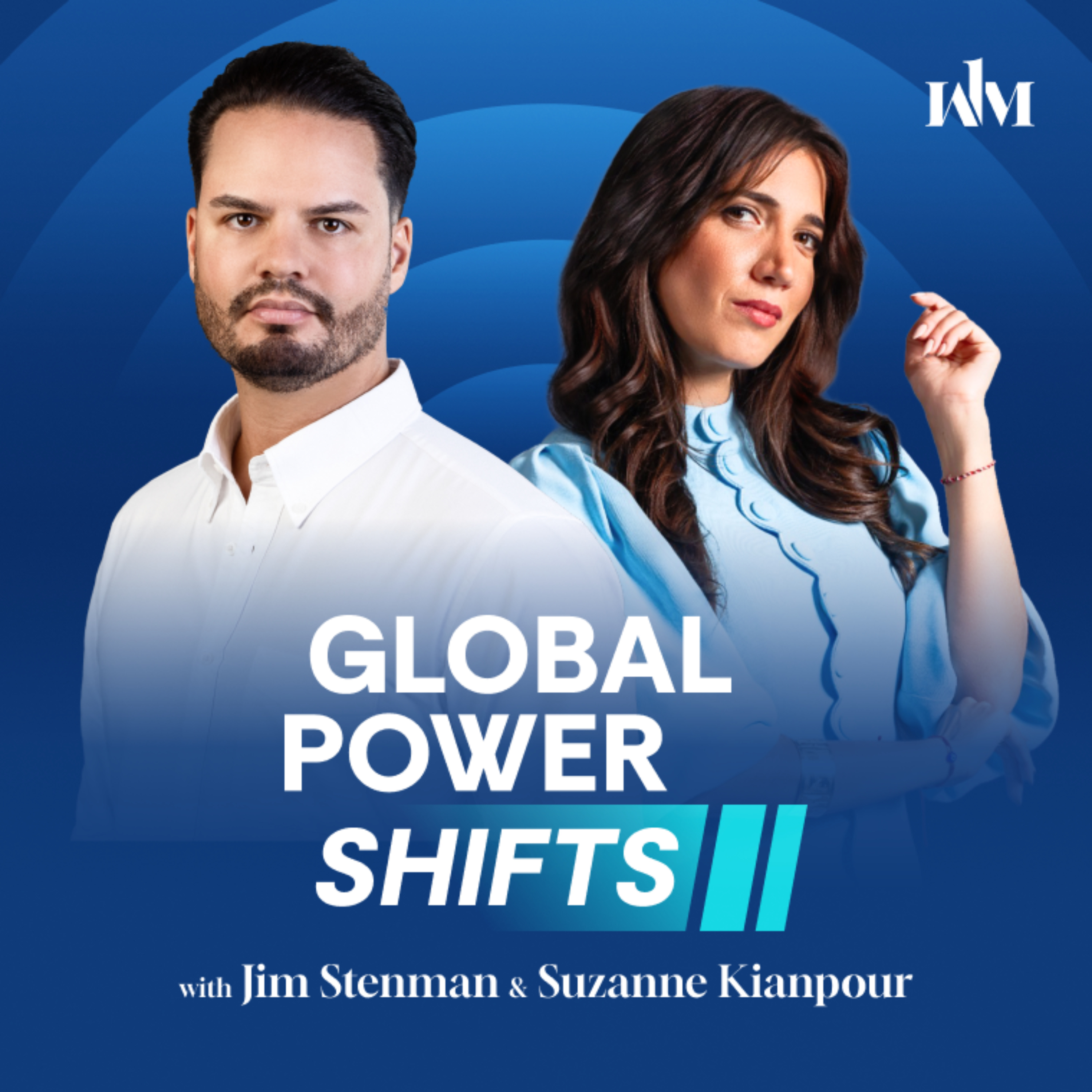
Global Power Shifts is about the new multipolar world — and the rise of the rest. Journalists Jim Stenman and Suzanne Kianpour (CNN, BBC, NBC, Fox News, Reuters) speak with the people who set policy, not just comment on it. Previous guests include sitting and former ministers, ambassadors, and security chiefs offering unvarnished views on energy, sanctions, tech sovereignty, maritime chokepoints, information ops, and statecraft. It’s decoding a changing world — how power is moving beyond a single center, and what that means for governments, markets, and daily life.
In our first episode of 2026, Jim Stenman speaks with Dr. Mohamed Hagi, Somaliland’s Presidential Advisor on Foreign Affairs and International Cooperation, days after Israel became the first country to formally recognize Somaliland. Hagi argues recognition changes the operating reality of diplomacy, from trade and finance to security cooperation. We discuss what Somaliland says it wants from Israel, what Israel may gain in return, and how this recognition reverberates across the Red Sea corridor, from Yemen to the Horn of Africa. The conversation also covers Berbera port and the UAE’s footprint there, Ethiopia’s long-running push for sea access, and why Hagi says U.S. recognition remains the holy grail, including the roles of Donald Trump, Senator Ted Cruz, and Congresswoman Ilhan Omar.
In this episode:
- What recognition unlocks in practice
- Israel–Somaliland: interests on both sides
- Red Sea security and regional backlash
- Ethiopia, Berbera, and sea-access politics
- The Washington angle and diaspora politics

Disclaimer
This podcast’s information is provided for general reference and was obtained from publicly accessible sources. The Podcast Collaborative neither produces nor verifies the content, accuracy, or suitability of this podcast. Views and opinions belong solely to the podcast creators and guests.
For a complete disclaimer, please see our Full Disclaimer on the archive page. The Podcast Collaborative bears no responsibility for the podcast’s themes, language, or overall content. Listener discretion is advised. Read our Terms of Use and Privacy Policy for more details.