Craft Politics

Craft Politics
Podcast Description
Join Craft Politics, where politics meets business over a pint. Hosted by a former politician and a seasoned political staffer, this podcast translates world events into actionable insights for business leaders. With populism on the rise, understanding this intersection is more crucial than ever. Why beer? Because the best political discussions happen with a pint in hand. Joseph Lavoie and Andrew Percy bring decades of experience in politics and business, offering concise, targeted insights to help you navigate the political landscape. Cheers to making politics work for your business!
Podcast Insights
Content Themes
The podcast focuses on the intersection of politics and business, covering a range of topics such as polling dynamics, the Conservative movement in Canada, economic tariffs, and the influence of American politics on Canadian affairs. Episodes include in-depth discussions like the implications of Trump's tariffs on trade relations and insights into leadership changes within Canadian political parties.
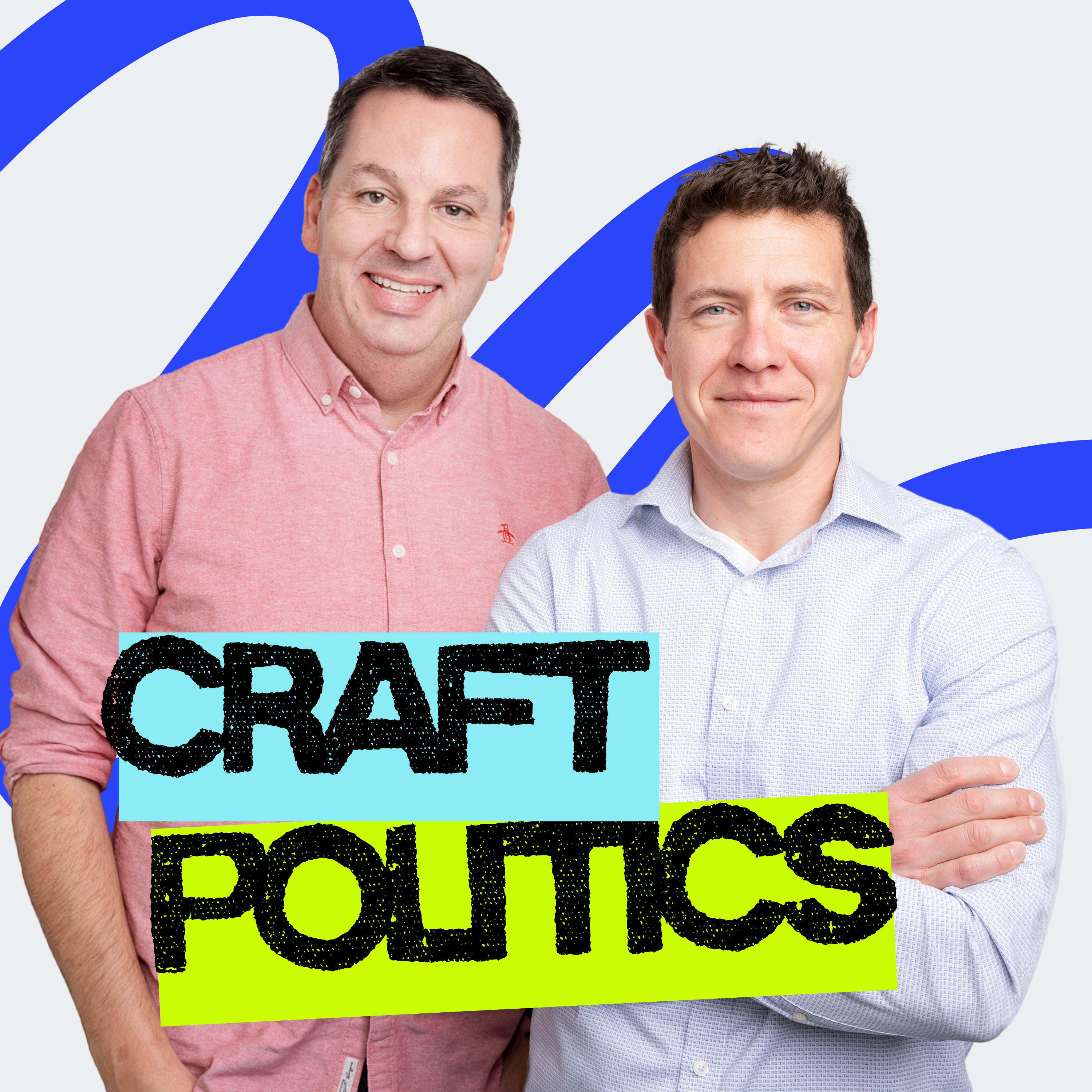
The best political chats don’t happen in boardrooms, and they rarely show up in briefing notes. They happen in pubs — over a pint or three. Or, right here on Craft Politics. With craft beer on the table and stories from decades in politics across the UK and Canada, Andrew Percy and Joseph Lavoie take you behind the headlines to show you how politics really works — and why it matters to you. Candid, witty, sometimes inappropriate, it’s a reminder that politics doesn’t have to be boring or polarizing.
A new report from Digital Public Square and Abacus Data surveyed 2,250 Canadians on polarization — and the findings challenge some assumptions. Two-thirds of Canadians place themselves in the political centre. But when asked how they feel about people on the other side, the picture shifts dramatically. We dig into why the left is better at disliking the right than vice versa, why younger Canadians are more open to leaders who bend the rules, and what can actually be done about it.
Key Takeaways
- Canada's polarization problem is primarily affective — Canadians aren't far apart on the spectrum, but they've developed strong negative feelings toward the other side. Even one step left or right of centre triggers in-group/out-group dynamics.
- The hostility is asymmetrical. Slightly left-of-centre Canadians view the right more negatively than slightly right-of-centre Canadians view the left.
- The far right is more likely to believe their views represent the majority. When elections don't reflect that, it feeds a sense of injustice and conspiratorial thinking.
- The ”Civic Optimists” — Canadians most satisfied with democracy — skew heavily 55+. Younger Canadians are more cynical, more right-leaning, and more open to illiberal tactics. But they're also the strongest defenders of minority rights.
- Digital Public Square has been testing interventions that correct misperceptions about the other side, with early experimental evidence showing it builds empathy.
Chapters
00:00 — Cold open00:33 — Introduction: polarization in Canada and the UK02:14 — Affective vs. ideological polarization05:42 — The shifting definition of ”the middle”08:13 — Political identity beyond politics: culture, sports, media12:28 — Who Canadians blame for polarization13:40 — Why the left is better at disliking the right16:24 — The far right's majority perception problem21:12 — The six segments: Frustrated Pessimists, Civic Optimists, and more27:20 — Young Canadians and the appetite for rule-bending leaders30:10 — What actually works: DPS interventions and evidence36:19 — Electoral reform debate — and Andrew's European pushback43:51 — Put the phone down and go to the pub
Links
- Full report: digitalpublicsquare.org
- DPS Substack: dpsorg.substack.com

Disclaimer
This podcast’s information is provided for general reference and was obtained from publicly accessible sources. The Podcast Collaborative neither produces nor verifies the content, accuracy, or suitability of this podcast. Views and opinions belong solely to the podcast creators and guests.
For a complete disclaimer, please see our Full Disclaimer on the archive page. The Podcast Collaborative bears no responsibility for the podcast’s themes, language, or overall content. Listener discretion is advised. Read our Terms of Use and Privacy Policy for more details.