A Spiritual Transformation

A Spiritual Transformation
Podcast Description
Join me on a journey of self-discovery as we explore the power of spirituality in overcoming life's obstacles. Each episode features inspiring individuals who have embraced diverse spiritual methods – from meditation and mindfulness to gratitude, forgiveness and various other methods – to find inner peace, purpose, and resilience. Through candid conversations, we'll delve into their personal transformations and share practical wisdom to help you navigate your own challenges and live a more fulfilling life." zenzisewaah.substack.com
Podcast Insights
Content Themes
Explores spiritual tools and diverse practices for personal transformation, with episodes covering topics such as overcoming personal challenges, integrating spirituality into daily life, and practical wisdom, including cases like tarot for self-reflection and the healing aspect of Reiki.

Spiritual Infinity is your gateway to deeper self-awareness, transformation, and connection with the limitless power within. Hosted by Zenzi Sewaah,
Through inspiring conversations with guest speakers from around the world, we uncover personal journeys of spiritual awakening, the methods that transformed their lives, and how these practices can empower you. Whether you’re seeking healing, enlightenment, or a greater understanding of the universe, Spiritual Infinity provides wisdom and insights to support your journey.
Join us as we navigate the infinite possibilities of spirituality, one episode at a time.
In this deeply insightful conversation, Jaime Ramos explains that trauma is not simply defined by what happens to us, but by whether an experience overwhelms our ability to cope. Two people can experience the same event and respond very differently. When trauma occurs in childhood, its effects can follow us into adulthood, influencing our relationships, confidence, emotional wellbeing and ability to feel safe.
Jaime shares his own experience of growing up in a society where boys were taught not to cry, show vulnerability or admit they were struggling. Following a serious workplace injury, he experienced depression but initially resisted recommended treatment because he believed accepting help meant he was weak. It took three years of counselling before he could fully accept that experiencing depression did not diminish his identity as a man.
One particularly moving moment comes when Jaime recalls being fourteen and approaching his mother about difficulties with a teacher. Instead of feeling heard, he felt blamed. That experience reinforced his decision to keep his deepest feelings to himself, a pattern that continued into adulthood. We discuss how parents can unintentionally pass down emotional habits inherited from previous generations, not necessarily through a lack of love, but because they themselves were never taught a different way.
Jaime offers a simple yet powerful change in communication: instead of asking a child, “Why did you do that?”, try asking, “What happened?” The first question can make someone defensive, while the second invites conversation and understanding. This small change can transform how we communicate with our children, partners and colleagues.
We also explore the often-overlooked reality of men experiencing domestic abuse, including emotional manipulation, coercive control and physical violence. Jaime explains how society’s expectations of masculinity can make it especially difficult for men to acknowledge that they are victims or seek support. The pressure to remain strong, provide for others and never appear vulnerable can leave men feeling isolated, particularly when illness, unemployment or relationship difficulties threaten their sense of identity.
Much of Jaime’s professional work involves training teachers and other professionals to understand trauma-related behaviour. He shares the experience of a young boy whose distress was repeatedly misunderstood as defiance. By listening to the child, recognising what made him feel unsafe and creating an appropriate support plan, the adults around him helped transform his experience at school. The lesson is significant: behaviour is often a form of communication, and understanding it allows us to respond rather than react.
Jamie also reminds us that anger is a natural human emotion. The challenge is not to deny anger but to learn how to express it without harming ourselves or others. Whether we are supporting a child, a partner or someone in distress, our own ability to remain calm can help create the emotional safety they need.
As our conversation draws to a close, we reflect on the importance of self-awareness and self-care. Jaime encourages us to notice how our bodies respond to stress, recognise when we are becoming overwhelmed and learn to regulate our own emotions before attempting to support someone else.
For me, this conversation reinforces a fundamental truth: healing begins with awareness, compassion and a willingness to change the patterns we have inherited. If we want our boys to become emotionally healthy men, we must give them permission to feel, speak, ask for help and experience tenderness without shame.
And as we reconnect with the Creator’s Light within ourselves, we become better equipped to recognise that same Light in others.
We cannot change the childhood we experienced, but we can change the understanding, compassion and emotional safety we offer the next generation.
— Zenzi SewaahFounder & Spiritual Visionary, Spiritual Infinity
Guest Biography
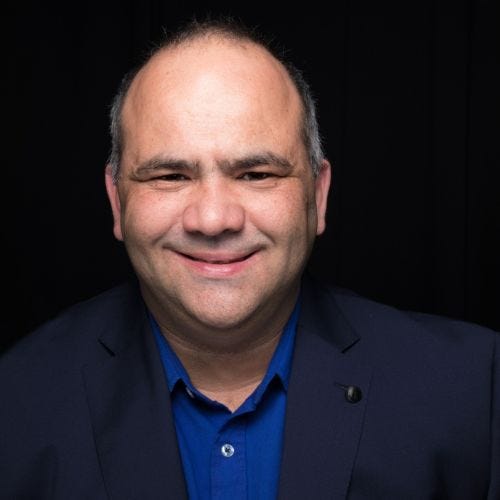
Jaime Ramos is a Melbourne-based trauma-informed educator and professional trainer whose work focuses on helping those who support trauma-affected children, young people and adults.
Rather than concentrating primarily on individual client sessions, Jaime provides education and practical strategies for teachers, school staff and professionals across different sectors. His approach emphasises understanding the nervous system, recognising trauma responses, emotional regulation and creating environments in which people feel safe.
Drawing on his professional experience and personal journey through depression and recovery, Jaime advocates for greater emotional understanding, particularly for boys and men who have been conditioned to conceal their vulnerability.
Get full access to Zenzi’s Substack at zenzisewaah.substack.com/subscribe
Disclaimer
This podcast’s information is provided for general reference and was obtained from publicly accessible sources. The Podcast Collaborative neither produces nor verifies the content, accuracy, or suitability of this podcast. Views and opinions belong solely to the podcast creators and guests.
For a complete disclaimer, please see our Full Disclaimer on the archive page. The Podcast Collaborative bears no responsibility for the podcast’s themes, language, or overall content. Listener discretion is advised. Read our Terms of Use and Privacy Policy for more details.