The Parenting Wisdom
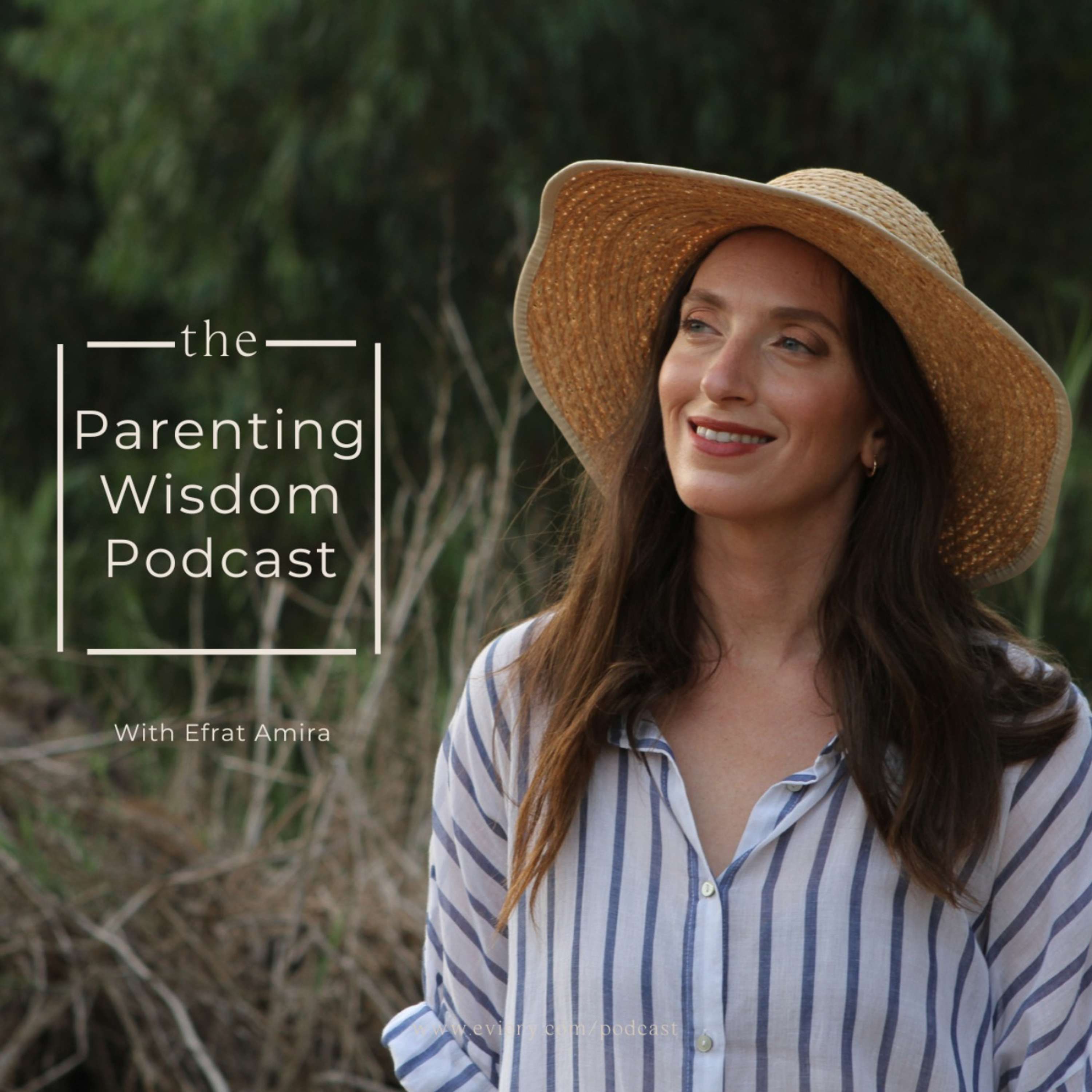
The Parenting Wisdom
Podcast Description
Parenting today comes with an overwhelming amount of information, yet many parents feel lost, and children are struggling more than ever. In The Parenting Wisdom Podcast, I dive into ancient wisdom combined with **modern science** to uncover the deeper meaning behind parenting and our true role in our children’s lives.
By tapping into timeless insights and understanding the “why” behind parenting, we can raise resilient, fulfilled, and grounded children. Join me every Wednesday as we explore these important conversations and reconnect with the w
Podcast Insights
Content Themes
The show delves into themes of parenting, personal development, and emotional resilience. Specific topics include balancing love and discipline, fostering resilience in children, and navigating academic pressure. Episodes often feature discussions on personal growth, such as 'How to Raise Kids to Find Meaning in a World That Lost Its Moral Compass' and 'Listening to Our Bodies Wisdom in Parenting.'

The Parenting Wisdom Podcast is a place where we explore parenting from a truly holistic perspective. I believe that a wise parent is one who asks questions, keeps an open mind, and also trusts their deep inner knowing.
Here, we integrate insights from psychology, sociology, holistic medicine, child development science, philosophy, and ancient wisdom. Because there is no single “right” way to parent — each of us is unique, and every child is a unique soul.
The guiding principle of The Parenting Wisdom Podcast is that parents are their children’s leaders. And as leaders, we must be both humble and courageous as we raise children who will grow into independent, resilient, and fulfilled human beings — ready to share their unique gifts and live lives of meaning and purpose.
We believe that our children are strong and capable, and that challenges are part of their growth. Our role is to let them face those challenges while remaining their safe haven — the steady presence they can always count on, no matter what.
Check out all the programs or join the newsletter: efratamira.comYour kid’s team just lost, and the first thing he hears is, “That must have been hard, be easy on yourself.” It sounds kind, but when that is the whole message, it keeps him stuck in a victim mindset.Trauma, anxiety, triggers: words that once belonged in the therapist’s office are now part of our kids’ everyday lives, at school and at home. In this episode I trace where this language came from and what it is doing to our children, and then I share an older story from Jewish wisdom that teaches kids the world is for them.In this video:How our culture’s focus on physical safety grew into “emotional safety,” and how the word trauma came to mean almost anything that hurtsWhat Abigail Shrier found inside today’s classrooms, from trauma-informed education to social-emotional learningWhy the words a child uses shape the way he experiences his own lifeFour ways to help your child meet challenges as chances to grow💬 Think of a hard moment your child came through and grew from, and share it in the comments. Other parents need to hear those stories.▶ Watch next: Why Your Anxious Child Doesn’t Have a Feelings Problem, They Have an Identity Problem:https://youtu.be/Ldsgq7D5wcw?si=NdMytL2yL6Ppw0cbChapters:0:00 When ”be easy on yourself” backfires0:28 How therapy words went mainstream0:52 What this video will show you1:11 How a safety culture took over1:50 How the meaning of ”trauma” changed2:21 Pain vs trauma: why the difference matters2:47 Normal hardships now called trauma3:34 The loop of fragility3:56 Bad Therapy: what's happening in schools4:42 Trauma-informed education5:04 The mountain: too much focus on feelings5:19 Overprotected kids and real-life growth6:03 Post-traumatic growth6:14 What happens when kids believe they're fragile6:39 Your turn: share your story6:54 The older story that strengthens7:30 The Art of Elevation: the world is for you8:04 Two questions: ”Why me?” vs ”What am I asked to do?”8:38 The deeper meaning of hardship9:38 Pain has meaning9:51 Four steps to start at home10:04 Step 1: Honor feelings, then guide forward10:32 Step 2: Share your own hard moments10:53 Step 3: Tell stories of heroic figures11:13 Step 4: Help your child take one action11:37 Your home can tell a different story11:57 Watch next: The anxious child and identityBooks and sources mentionedGreg Lukianoff & Jonathan Haidt, The Coddling of the American MindNassim Nicholas Taleb, AntifragileAbigail Shrier, Bad Therapy: Why the Kids Aren’t Growing UpYehiel Harari, The Art of ElevationRyan Holiday, The Obstacle Is the WayFoulkes & Andrews (2023), “Are mental health awareness efforts contributing to the rise in reported mental health problems?” New Ideas in Psychology: https://doi.org/10.1016/j.newideapsych.2023.101010CDC, Data and Statistics on Children’s Mental Health: https://www.cdc.gov/children-mental-health/data-research/index.htmlThis video is about the ordinary hardships every child faces. If your child has been through abuse or serious trauma, please reach out to a qualified professional for support.Parenting Wisdom with Efrat Amira helps parents of kids 8 and up raise children with strong values, inner strength and a sense of purpose. Subscribe for a new episode every week.#parenting #resilientkids #parentingadvice #raisingkids
Disclaimer
This podcast’s information is provided for general reference and was obtained from publicly accessible sources. The Podcast Collaborative neither produces nor verifies the content, accuracy, or suitability of this podcast. Views and opinions belong solely to the podcast creators and guests.
For a complete disclaimer, please see our Full Disclaimer on the archive page. The Podcast Collaborative bears no responsibility for the podcast’s themes, language, or overall content. Listener discretion is advised. Read our Terms of Use and Privacy Policy for more details.