The Gen Mess with Tess
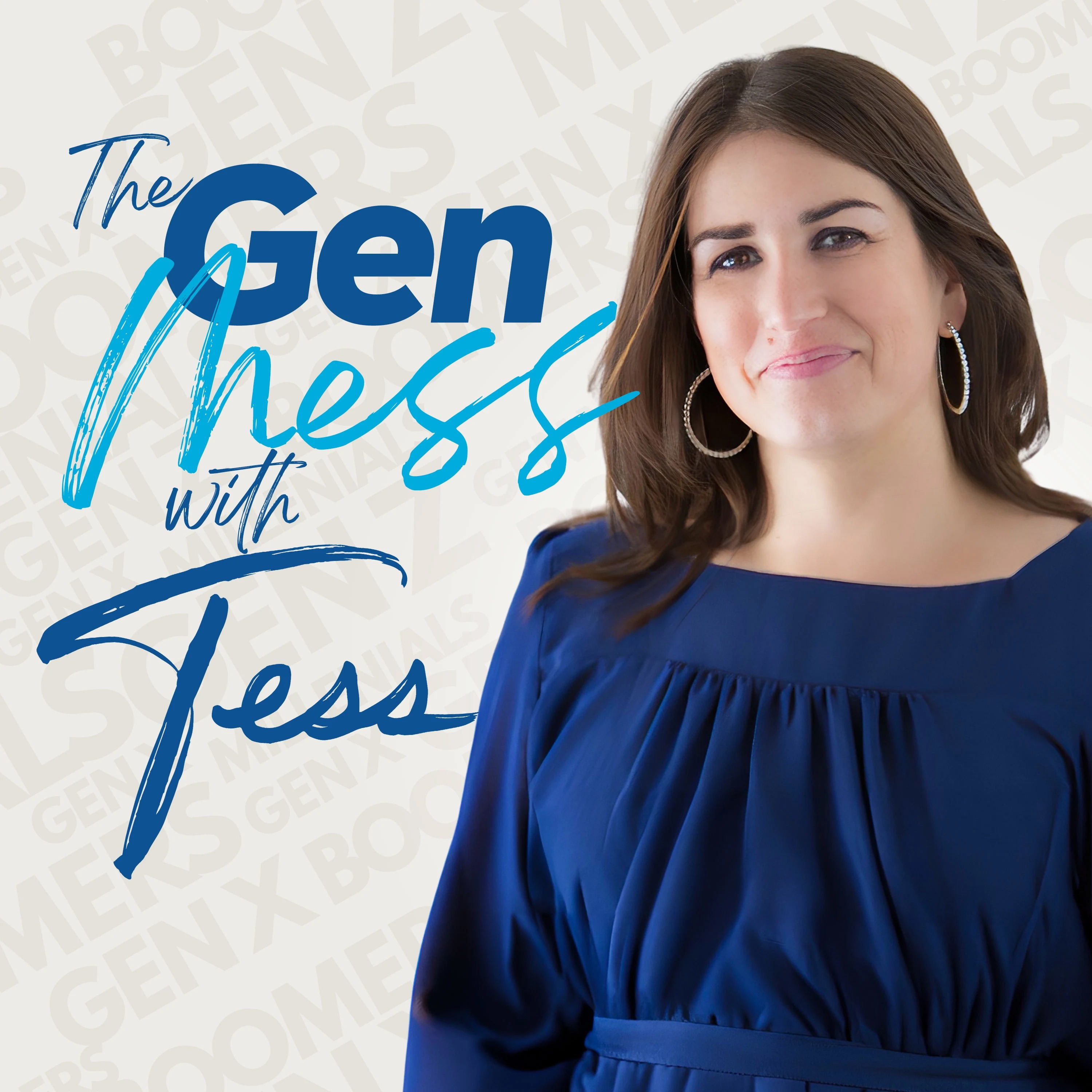
The Gen Mess with Tess
Podcast Description
Are generational divides in the workplace and in life driving you crazy?The Gen Mess with Tess is here to help! Hosted by Tess Brigham—certified coach, licensed therapist, TEDx speaker, author, and mom to a Gen Zer—this podcast tackles the challenges and complexities of navigating life and work across multiple generations. From the unique struggles of Gen Z to the evolving perspectives of Millennials, Gen X, and Baby Boomers, Tess brings her expertise to the table, offering practical advice, expert insights, and real conversations to bridge the generational gap. Whether you're trying to communicate better with colleagues, understand your kids, or just get a clearer perspective on the "mess" of it all, The Gen Mess with Tess is your go-to resource for understanding how different generations think, work, and live. Hosted on Acast. See acast.com/privacy for more information.
Podcast Insights
Content Themes
The podcast delves into themes such as generational divides, burnout, and workplace communication. Examples include episodes discussing the unique challenges faced by Millennials and Gen Z regarding burnout, and practical strategies for improving generational communication in the workplace. The show also highlights societal expectations and personal perspectives, aiming to bridge the gap among Baby Boomers, Gen X, Millennials, and Gen Z.

Host Tess Brigham (licensed therapist, certified coach) tackles the generational challenges and complexities of navigating life and work. From the unique struggles of Gen Z to the evolving perspectives of Millennials, Gen X, and Boomers, Tess offers practical advice, expert insights, and real conversations to bridge the generational gap in the workplace.
This episode examines what happens after breast cancer treatment ends, and why the emotional, relational, and identity-based damage from a cancer diagnosis often goes unaddressed by the medical system. Tess Brigham, a therapist and breast cancer survivor, speaks with Hollye Jacobs, a nurse, social worker, and resilience coach who was diagnosed at 39, and Dev Meenagh, who was diagnosed at 28. Together they discuss the gap between ringing the bell and actually feeling better, what fear of recurrence looks like years after treatment ends, how relationships shift when a partner becomes a caregiver, and why connecting with people who have lived the same experience can be more useful than clinical support alone. Listeners will also hear practical grounding tools for managing anxiety and why the assumption that survivorship has an end date is itself part of the problem.
KEY TAKEAWAYS
- When genetic testing tells you that you do not have the breast cancer gene, it means you do not have one of the 12 to 15 genes currently being tested, not that the disease is not hereditary in your family.
- The emotional and relational damage from cancer treatment is just as real as the physical damage, and it often goes unaddressed once active treatment ends.
- Two people can go through the same cancer treatment and have completely different physical experiences, from working through chemo without missing a day of work to being hospitalized twice.
- When a partner becomes a caregiver during treatment, the equality and intimacy that held the relationship together can erode in ways that are hard to see in the moment.
- The hardest part of a cancer diagnosis is often not the treatment itself but the period after it ends, when support disappears and everyone around you assumes you are fine.
- Fear of recurrence does not go away with time. It can still arrive, without warning, sixteen years after treatment.
- The 5-4-3-2-1 grounding technique works because the brain cannot simultaneously process a structured sensory sequence and a fear spiral. Name five things you see, four you physically feel, three you hear, two you smell, one you taste.
- An app or support community made up of people who have been through the same experience provides a qualitatively different kind of support than clinical care or well-meaning friends and family.
- Survivorship is not a destination. It is an ongoing process that continues for years and sometimes decades after active treatment ends.
- Choosing to look for what a difficult experience is teaching you, rather than asking why it happened to you, is a learnable approach, not a personality trait.
TIMESTAMPS
- 00:00 – Why cancer opens a club you never wanted to join
- 01:42 – What treatment looks like when it hits harder than expected
- 03:37 – Why a negative genetic test does not mean what most people think
- 09:42 – How the same treatment can feel completely different for different people
- 14:05 – What happens to a relationship when a partner becomes the caregiver
- 16:00 – Why finishing treatment can feel like a free fall
- 19:12 – What the now-what moment looks like from inside
- 27:28 – How Cancer Buddy helps survivors find people who truly get it
- 35:17 – Why finding meaning in hard things is different from toxic positivity
- 39:59 – Three practical tools for managing fear of recurrence

Disclaimer
This podcast’s information is provided for general reference and was obtained from publicly accessible sources. The Podcast Collaborative neither produces nor verifies the content, accuracy, or suitability of this podcast. Views and opinions belong solely to the podcast creators and guests.
For a complete disclaimer, please see our Full Disclaimer on the archive page. The Podcast Collaborative bears no responsibility for the podcast’s themes, language, or overall content. Listener discretion is advised. Read our Terms of Use and Privacy Policy for more details.