In the Loop with Nadja Wlasiuk
In the Loop with Nadja Wlasiuk
Podcast Description
Information and education surrounding the world of healthcare for the novice, the nurse, and the nerd hosted by a board certified nurse practitioner. intheloopwithnadja.substack.com
Podcast Insights
Content Themes
Explores the intricacies of healthcare, particularly in cardiology and electrophysiology, with specific episodes discussing topics like atrial fibrillation's detection using smart devices and groundbreaking procedures in cardiac care. Themes include patient care innovations, cardiovascular health technologies, and the personal stories of notable figures in medicine.
Information and education surrounding the world of healthcare for the novice, the nurse, and the nerd hosted by a board certified nurse practitioner.
What does a physical therapist actually do?
Exercise, apparently.
But there’s a lot more to physical therapy than bands, stretches, and making you do exercises you would really rather not do.
In this episode, I’m joined by Dr. Austin Padua, a physical therapist with MarinHealth and, full disclosure, my physical therapist. Austin works in outpatient orthopedics with patients across the healthspan, helping them recover from injuries and surgery, manage chronic pain, rebuild strength and function, and get back to the things that matter to them.
https://www.mymarinhealth.org/find-a-provider/austin-padua-pt/
We talk about how Austin’s own fractured hip as a teenager led him to physical therapy and eventually a career as a PT, as well as his background as an endurance athlete.
Then we get into the questions many of us have when something starts hurting:
• What’s the difference between soreness, pain, and an actual injury?• How do you know when to keep moving and when to get evaluated?• Why doesn’t an ugly MRI necessarily mean your body is broken?• Should you stop squatting if you have arthritic knees?• What actually helps prevent injuries?• How important are strength training and recovery as we get older?• Is stretching overrated?• And do you really need that massage gun sitting in your drawer?
We also talk about the growing role of AI in healthcare and physical therapy. Patients are already using tools like ChatGPT and Claude to interpret imaging reports, troubleshoot pain, modify workouts, and generate exercises. Austin and I talk about where those tools can be useful, where they can go wrong, and why the assessment, judgment, and human relationship with a clinician still matter.
Most importantly, this conversation is about function. Physical therapy isn’t necessarily about making every ache and pain disappear. It’s about understanding your body, building confidence in what it can do, and developing the strength and capacity to keep doing the things that make up your life.
And because Austin has actually treated me, we also discuss my apparently “basic” pathology, whether I am in fact the problem, and some of the creative forms of torture he continues to prescribe for me.
It’s practical, evidence-informed, occasionally ridiculous, and hopefully a reminder that our bodies are meant to move.
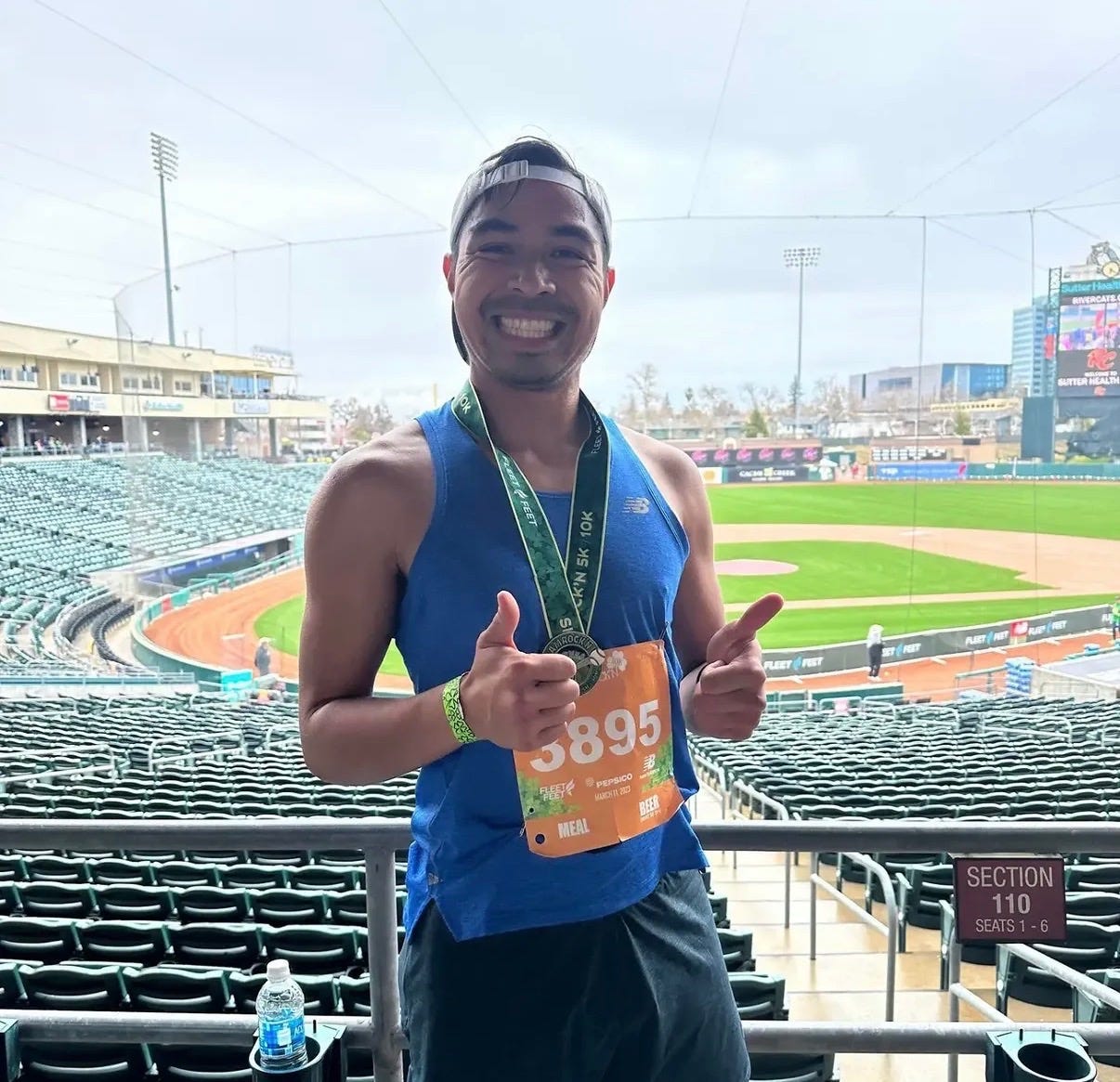
Here’s a photo of Austin working very diligently:
Produced by: Nadja Wlasiuk, DNP, APRN, FNP-BC, CCK
Get full access to In the Loop with Nadja Wlasiuk at intheloopwithnadja.substack.com/subscribe
Disclaimer
This podcast’s information is provided for general reference and was obtained from publicly accessible sources. The Podcast Collaborative neither produces nor verifies the content, accuracy, or suitability of this podcast. Views and opinions belong solely to the podcast creators and guests.
For a complete disclaimer, please see our Full Disclaimer on the archive page. The Podcast Collaborative bears no responsibility for the podcast’s themes, language, or overall content. Listener discretion is advised. Read our Terms of Use and Privacy Policy for more details.