Uncommon Living: A Dialogue in Human Resilience

Uncommon Living: A Dialogue in Human Resilience
Podcast Description
Morozko CEO and ASU Professor Dr. Thomas P. Seager interviews health experts and biohackers to explore the physiological, psychological, and resilience, including the science and experience of cold plunge therapy.
Podcast Insights
Content Themes
Explores the interplay between physiological health, psychological resilience, and innovative treatments with specific episodes focusing on cold plunge therapy, insulin resistance, and vagus nerve stimulation, aiming to bridge science with practical applications.
Arizona State University Professor and Morozko CEO Thomas P. Seager, PhD hosts health experts for dialogs in human resilience, including the science and experience of cold plunge therapy.
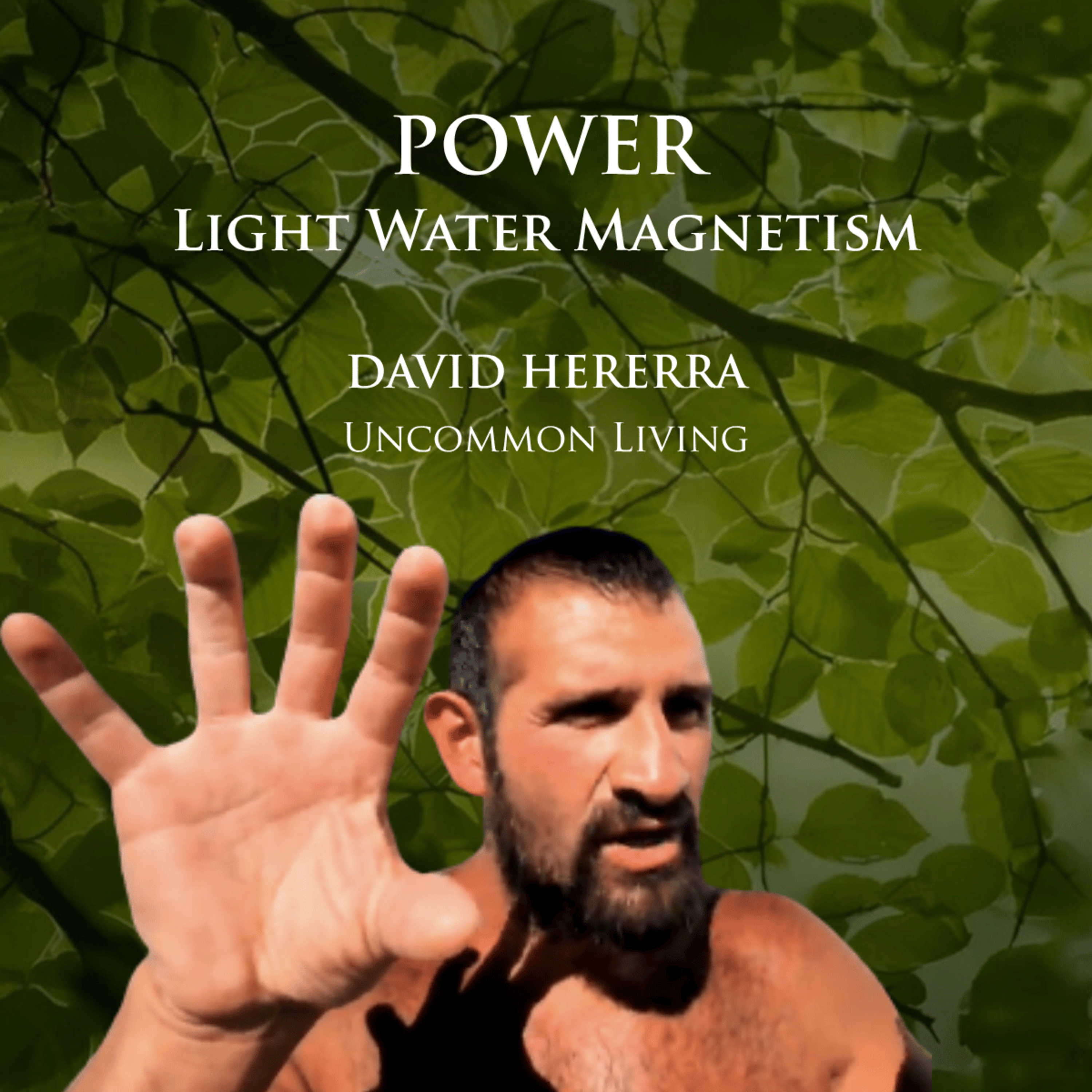
Champion powerlifter David Herrera explores the science of light therapy, deuterium depleted water, magnetism, and how it impacts energy production for human performance.David Herrera joins the show to explain his transition into studying the biological effects of light. After discovering the work of Jack Kruse through a podcast, Herrera began investigating how specific frequencies impact recovery and systemic health.This conversation breaks down the practical applications of circadian biology for athletes and anyone looking to optimize their physiological baseline. We examine the mechanism of action behind light therapy, cold exposure, magnetism, and light environment serves as a foundational lever for human health.
Disclaimer
This podcast’s information is provided for general reference and was obtained from publicly accessible sources. The Podcast Collaborative neither produces nor verifies the content, accuracy, or suitability of this podcast. Views and opinions belong solely to the podcast creators and guests.
For a complete disclaimer, please see our Full Disclaimer on the archive page. The Podcast Collaborative bears no responsibility for the podcast’s themes, language, or overall content. Listener discretion is advised. Read our Terms of Use and Privacy Policy for more details.