Normal Curves: Sexy Science, Serious Statistics

Normal Curves: Sexy Science, Serious Statistics
Podcast Description
Normal Curves is a podcast about sexy science & serious statistics. Ever try to make sense of a scientific study and the numbers behind it? Listen in to a lively conversation between two stats-savvy friends who break it all down with humor and clarity. Professors Regina Nuzzo of Gallaudet University and Kristin Sainani of Stanford University discuss academic papers journal club-style — except with more fun, less jargon, and some irreverent, PG-13 content sprinkled in. Join Kristin and Regina as they dissect the data, challenge the claims, and arm you with tools to assess scientific studies on your own.
Podcast Insights
Content Themes
The podcast centers around the intersection of science and statistics, delving into topics such as the interpretation of scientific studies, statistical methodologies, and the implications of research findings, with episode examples including critiques of recent medical studies and discussions on how to understand p-values and confidence intervals.

Normal Curves is a podcast about sexy science & serious statistics. Ever try to make sense of a scientific study and the numbers behind it? Listen in to a lively conversation between two stats-savvy friends who break it all down with humor and clarity. Professors Regina Nuzzo of Gallaudet University and Kristin Sainani of Stanford University discuss academic papers journal club-style — except with more fun, less jargon, and some irreverent, PG-13 content sprinkled in. Join Kristin and Regina as they dissect the data, challenge the claims, and arm you with tools to assess scientific studies on your own.
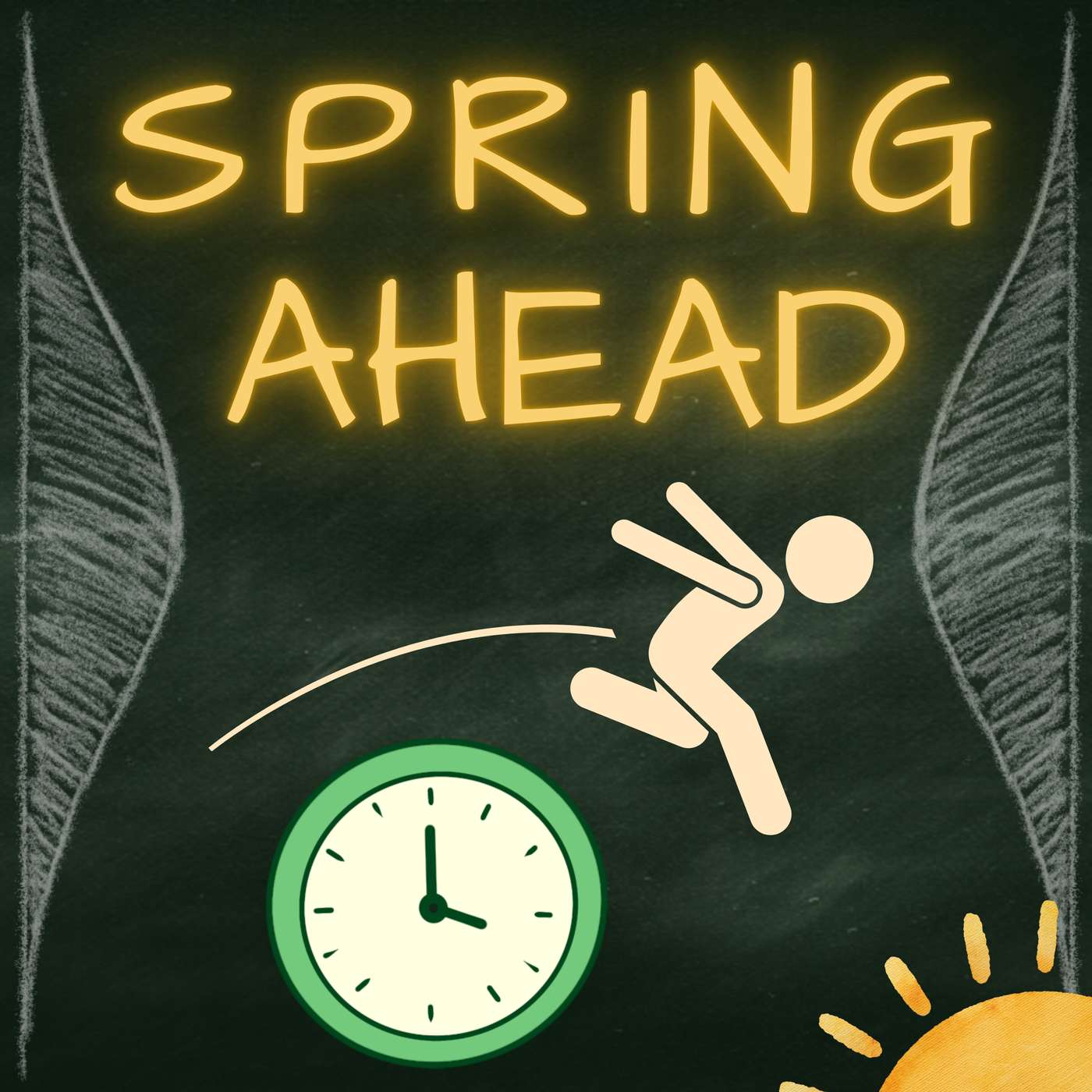
Every year we spring forward and lose an hour of sleep. But do we also lose a few heart cells? Some headlines claim that heart attacks spike by 24% after daylight saving time begins. In this episode we trace that number back to the research behind it—and what we find is more complicated than the headlines suggest. We examine a famous New England Journal of Medicine letter, a large international meta-analysis, and a massive modern U.S. registry study. Along the way we talk about incidence ratios, relative versus absolute risk, negative controls, and a haunting concept called harvesting. Plus: why bar charts are not for numerical data, why journalists love dramatic numbers, and how a bug collector helped invent daylight saving time.
Statistical topics
- Incidence ratios / incidence rates
- Meta-analysis
- Negative controls
- Relative risk vs absolute risk
- Statistical vs practical significance
- Statistical Sleuthing
Methodological morals
- “A bump in time isn’t always a bump in total.”
- “If you already know the story you want to tell, you can always find a number to tell it.”
References
- Bourke, India. “An obsessed insect hunter: The creepy-crawly origins of daylight saving.” BBC Future, March 31, 2024. https://www.bbc.com/future/article/20240308-how-first-suggestions-of-daylight-savings-time-was-inspired-by-insects
- Fox-Skelly, Jasmin. “How Daylight Saving Time Affects Your Health.” BBC Future, October 25, 2025. https://www.bbc.com/future/article/20251024-how-daylight-saving-time-affects-our-health
- Hurst A, Morfeld P, Lewis P, Erren TC. Daylight Saving Time Transitions and Risk of Heart Attack. Dtsch Arztebl Int. 2024;121(15):490-496. doi:10.3238/arztebl.m2024.0078
- Janszky I, Ljung R. Shifts to and from daylight saving time and incidence of myocardial infarction. N Engl J Med. 2008;359(18):1966-1968. doi:10.1056/NEJMc0807104
- Jiddou MR, Pica M, Boura J, Qu L, Franklin BA. Incidence of myocardial infarction with shifts to and from daylight savings time.Am J Cardiol. 2013;111(5):631-635. doi:10.1016/j.amjcard.2012.11.010
- Mellour, Richard. “The builder who changed how the world keeps time.” BBC Future, March 11, 2016. https://www.bbc.com/future/article/20160310-the-builder-who-changed-how-the-world-keeps-time
- Rymer JA, Li S, Chiswell K, et al. Daylight Savings Time and Acute Myocardial Infarction. JAMA Netw Open. 2025;8(9):e2530442. Published 2025 Sep 2. doi:10.1001/jamanetworkopen.2025.30442
- https://graph2table.com/
Kristin and Regina’s online courses:
Demystifying Data: A Modern Approach to Statistical Understanding
Clinical Trials: Design, Strategy, and Analysis
Medical Statistics Certificate Program
Epidemiology and Clinical Research Graduate Certificate Program
Programs that we teach in:
Epidemiology and Clinical Research Graduate Certificate Program
Find us on:
Kristin – LinkedIn & Twitter/X
Regina – LinkedIn &ReginaNuzzo.com
- (00:00) – Intro
- (05:03) – Strange history of daylight saving time
- (16:06) – Swedish NEJM study
- (19:14) – Incidence ratios explained
- (22:13) – What the Swedish study actually found
- (31:11) – Absolute vs relative risk
- (34:27) – Harvesting effect
- (40:10) – 2024 Meta-analysis
- (45:37) – Large modern US study
- (55:23) – Where the “24% increase” came from
- (59:16) – Wrap-up
Disclaimer
This podcast’s information is provided for general reference and was obtained from publicly accessible sources. The Podcast Collaborative neither produces nor verifies the content, accuracy, or suitability of this podcast. Views and opinions belong solely to the podcast creators and guests.
For a complete disclaimer, please see our Full Disclaimer on the archive page. The Podcast Collaborative bears no responsibility for the podcast’s themes, language, or overall content. Listener discretion is advised. Read our Terms of Use and Privacy Policy for more details.